
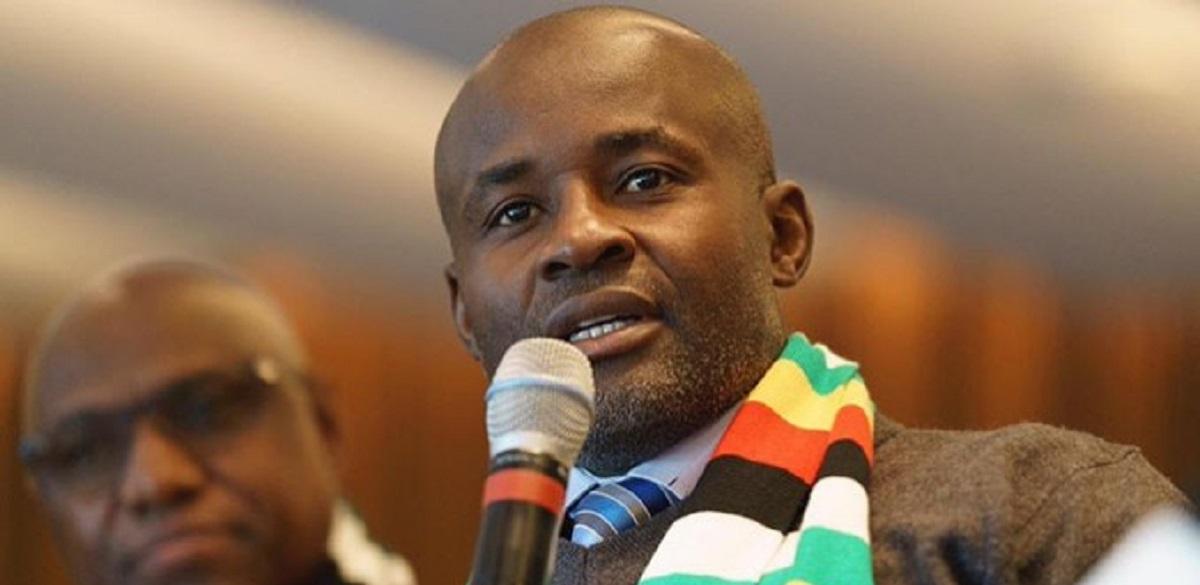
Former Norton MP Temba Mliswa has reignited debate over the boundary between party politics and national governance, arguing that issues within ZANU PF are inherently national because the party is in power.
By Advent Shoko
The comments come amid a sharp exchange with Youth Minister Tinomuda Machakaire, who pushed back against Mliswa’s criticisms, questioning his authority to comment on internal ruling party matters after leaving ZANU PF.
The clash began after Mliswa suggested Machakaire was not sufficiently experienced within party structures to understand internal dynamics, while also questioning his political independence.
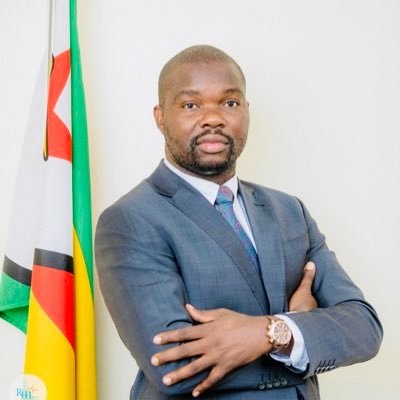
In a detailed response, Machakaire defended his position and loyalty to the ruling party leadership, stating:
“It is rather ironic that individuals who consciously chose to distance themselves from the Party and pursue independent political paths now seek to lecture ZANU PF on matters relating to leadership, structures and internal processes.”
He added that his role is clearly defined within government and party structures:
“As an appointee of His Excellency, the President and First Secretary of ZANU PF, Cde Dr Emmerson Dambudzo Mnangagwa, my responsibility remains confined to discharging my duties within the Youth League in line with the Party Constitution and the mandate entrusted to me.”
Mliswa, however, dismissed the argument, insisting that ruling party decisions cannot be separated from national governance.
“ZANU PF inherently becomes a national concern. The trajectory of our nation is linked to decisions made within the party,” he said.
He further argued that citizens, including those outside the party, have a right to scrutinise internal ruling party debates, comparing it to parliamentary oversight responsibilities.
Mliswa also defended his own political credentials, citing senior roles within ZANU PF structures.
“I have been DCC Chairman for Hurungwe, Secretary for Lands in Mash West Province, Party Chairman for Mash West, and have been elected MP three times across two distinct constituencies,” he said, adding that his experience gives him a broader understanding of party-state relations.
He contrasted this with Machakaire’s rise, which he described as largely appointment-based rather than rooted in long-term party structures.
“You can help by giving me your own background in ZANU PF. How did you get where you are?” Mliswa asked, suggesting that Machakaire’s position explained his reluctance to engage on sensitive internal issues.
At the centre of the dispute is the broader question of how far ruling party resolutions influence national policy.
Mliswa linked the debate to ongoing national discussions around constitutional and legislative processes, including Constitutional Amendment Bill 3 of 2026, which he said reflects resolutions originating from ZANU PF conferences and internal structures.
“The CAB3 Bill, born from the party’s resolutions, successfully navigated all requisite party protocols,” he said, arguing that party decisions often evolve into state policy through formal government channels.
Machakaire, however, maintained that internal party processes should not be misrepresented as national consensus, emphasising discipline, hierarchy, and institutional boundaries.
The exchange reflects a recurring feature of Zimbabwe’s political system, where the ruling party’s internal resolutions often shape public policy direction, raising questions about where party authority ends and state governance begins.
Leave a Reply