
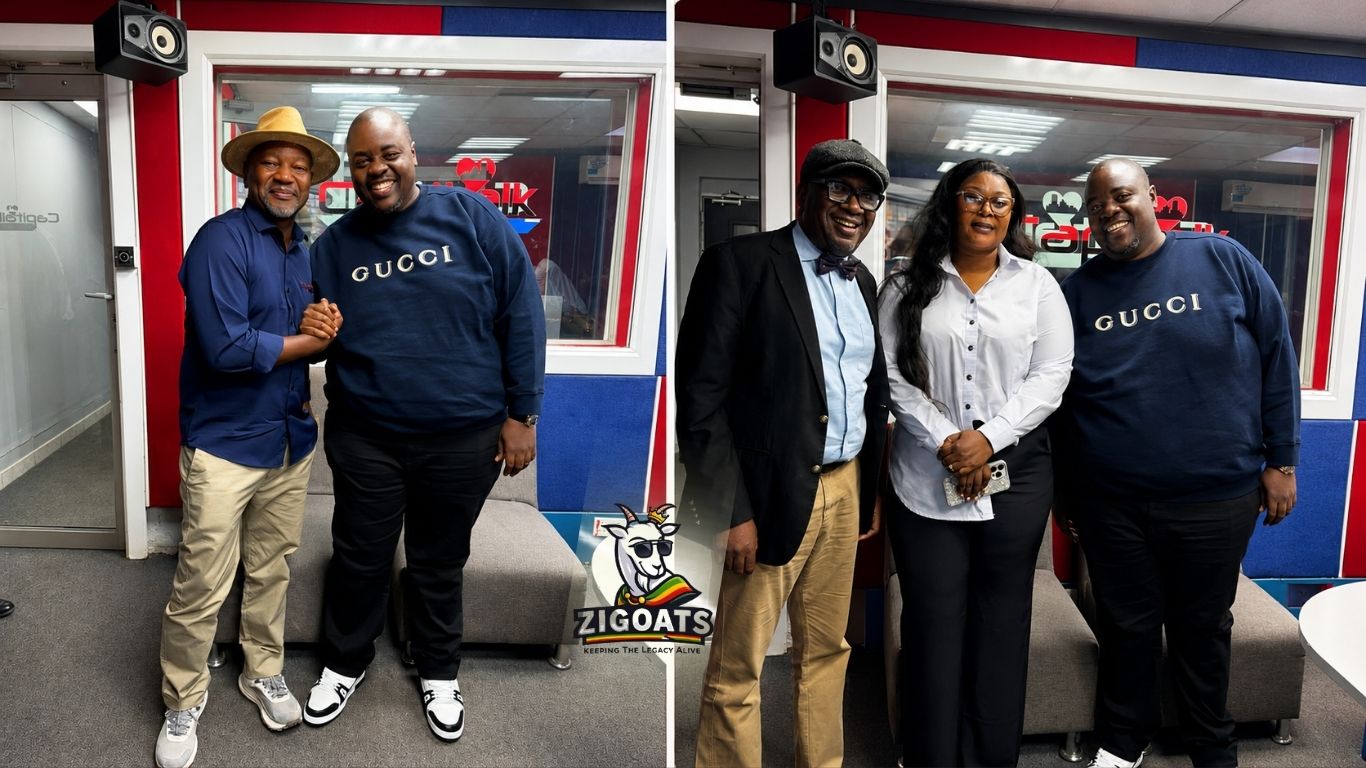
A growing storm over luxury gifts handed to employees by polarising businessman Wicknell Chivayo has plunged Zimpapers into one of its most sensitive corporate governance controversies in recent years, with two senior radio figures now facing possible disciplinary action.
By Advent Shoko
The dispute, which has dominated conversations across Zimbabwe’s media and political circles, erupted after Phathisani Sibanda and Yvonne Tivatye accepted vehicles from Chivayo, triggering fierce debate over ethics, newsroom independence, staff welfare, and the influence of wealthy businessmen in the country’s public institutions.
At the centre of the controversy is Capitalk FM, one of Zimpapers’ radio stations, where Sibanda works as a presenter and Tivatye serves as station manager.
Sibanda received a Toyota Fortuner GD6 from Chivayo, while Tivatye was gifted a Toyota Aqua. Chivayo also announced US$1,000 cash gifts for every employee in Zimpapers’ radio division, a move that immediately raised alarm bells inside the state-controlled media group.
According to internal company policy, employees are not permitted to accept gifts exceeding a declared value of US$100 without formal disclosure and approval.
The publishing house ordered its workers to return the gifts under the company’s ethics policy. But things took a turn when Chivayo devalued the gifts: the Toyota Fortuner given to Sibanda was “discounted” to US$100, while the Toyota Aqua presented to Tivatye was supposedly valued at US$50.
The issue escalated sharply following a meeting of Zimpapers’ Sustainability and Media Ethics Board Committee on Wednesday, after which management circulated a memo reinforcing the company’s gift declaration rules.
“The board mandated Zimpapers management and staff to adhere to the company’s Gift Declaration Policy in order to maintain the company’s integrity. Please be guided accordingly,” the notice read.
While the statement stopped short of naming individuals, sources familiar with the matter say Sibanda and Tivatye are expected to appear before disciplinary hearings within days after videos emerged online showing them receiving the vehicles.
The unfolding scandal has rapidly grown beyond an internal workplace issue into a national conversation about governance, professional ethics, and economic survival in Zimbabwe’s struggling media sector.
Chivayo responded aggressively after news of the possible disciplinary action surfaced, accusing Zimpapers of hypocrisy and questioning the moral authority of executives enforcing corporate governance rules while employees allegedly endure poor salaries and difficult working conditions.
“What upsets me the most is most companies go three or four months without paying workers salaries but superiors raise their big heads and try to apply so-called corporate governance rules when they receive amazing gestures like this,” Chivayo wrote on X.
“Salaries on time first and good working conditions then apply your corporate governance later, or else be the first CEO to break those senseless rules.”
The gifts extended far beyond vehicles.
Chivayo also announced plans to hand Sibanda a house in Waterfalls, Harare, reportedly worth US$150,000, for a symbolic payment of just US$80. In addition, he pledged interest-free US$2,000 loans for all 30 employees in Zimpapers’ radio division, repayable over 10 years with a five-year grace period.
“This is a very small transaction, so no security is required and no loan agreement will be signed,” Chivayo said.
The scale of the offers has intensified concerns among governance experts, who warn that expensive gifts to media employees risk undermining editorial independence and public trust, particularly within state-linked institutions expected to uphold strict ethical standards.
Analysts say newsroom credibility depends heavily on journalists and broadcasters remaining free from financial influence, especially from politically connected business figures.
Yet the controversy has also exposed the harsh economic realities confronting many Zimbabwean media workers, with some social media users defending the employees and arguing that struggling salaries make such gifts difficult to refuse.
Others, however, insist that accepting high-value benefits from influential individuals creates dangerous conflicts of interest and weakens public confidence in the media.
The dispute now places Zimpapers in a difficult position.
Failure to act decisively could fuel accusations that ethics policies are meaningless, while harsh punishment could deepen criticism over staff welfare and corporate double standards.
For many observers, the case has become a defining test of whether Zimbabwe’s largest media house is prepared to enforce governance rules consistently, even when the controversy involves powerful personalities, public sympathy, and viral social media attention.
Neither Sibanda nor Tivatye had publicly responded to the looming disciplinary proceedings by the time of publication, while Zimpapers has not yet announced when the hearings will take place.
Leave a Reply