
By Advent Shoko
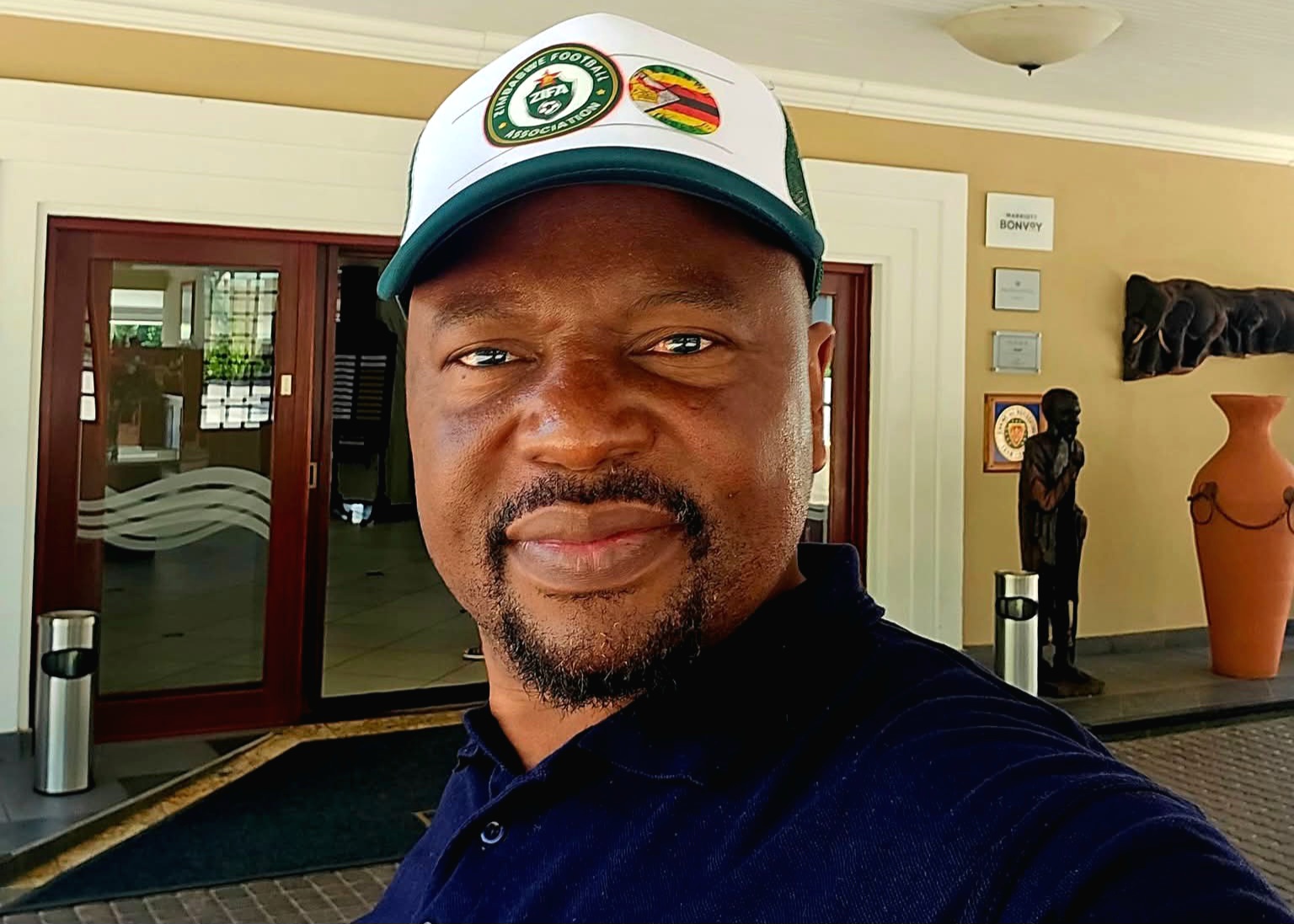
UK-based Zimbabwean football administrator Marshall Gore has urged Warriors supporters to show patience with the national team’s players, arguing that one poor performance should not erase a player’s previous contribution or potential.
Gore made the call after Zimbabwe produced a remarkable second-half comeback to beat Sierra Leone 3-2 in their opening 2027 Africa Cup of Nations Group E qualifier in Morocco on Thursday.
His message comes amid criticism of some Warriors players following a difficult first half, when Zimbabwe looked disjointed and went into the break two goals down.
Gore, writing on social media, said players, particularly young ones, need room to make mistakes, learn and improve.
“Some of the players representing us today are only in their early 20s. In a few years, they could become some of our biggest stars. But for that to happen, we must give them room to grow, make mistakes and learn from them. That is football.”
He pointed to Divine Lunga and Marshall Munetsi as examples of why supporters should avoid writing players off too quickly.
“Look at #DivineLunga. He struggled at AFCON and received plenty of criticism, but on Thursday he came on in the second half and made a real impact,” Gore wrote.
“Many people had also written off #MarshallMunetsi, saying he wasn’t effective enough for the national team. Yet on Thursday, he stepped up when we needed him most, scoring twice and playing a major role in our comeback.”
From criticism to comeback
The Warriors’ performance against Sierra Leone provided a striking backdrop to Gore’s argument.
Zimbabwe fell behind after just seven minutes, with Alie Conteh heading Sierra Leone into the lead.
The Leone Stars doubled their advantage in the 27th minute through Sallieu Tarawallie, leaving Zimbabwe 2-0 down at half-time. Reports from the match noted that Zimbabwe’s defence struggled during the opening 45 minutes, while goalkeeper Elvis Chipezeze was criticised for his role in the first goal.
The first-half display triggered frustration among some supporters, with criticism directed at both players and the new technical setup under Spanish coach Ramon Catala.
But the match changed dramatically after the interval.
Catala introduced Bill Antonio for Sean Fusire, and Zimbabwe began playing with greater attacking intent. Later substitutions, including Divine Lunga, Emmanuel Jalai, Corbin Mthunzi and Abubakar Moffat, also helped strengthen the side.
The fightback began in the 72nd minute when Marshall Munetsi headed home from Tawanda Chirewa’s delivery.
Four minutes later, Tawanda Chirewa produced a superb strike from outside the box to level the scores at 2-2.
Then came the winner.
With two minutes of normal time remaining, Munetsi arrived at the end of a cross to score his second goal of the night and complete a stunning 3-2 comeback.
The result gave Catala a winning start in his first competitive match in charge of the Warriors.
It also illustrated Gore’s point: players who were under scrutiny during the difficult first half were part of a team that eventually produced one of Zimbabwe’s most dramatic recent comebacks.
Gore warns against destroying confidence
Gore specifically referenced Shane Maroodza, who started at left-back despite the availability of more experienced options.
The young defender had a difficult evening as Sierra Leone repeatedly attacked Zimbabwe’s left side.
But Gore argued that such an experience should be viewed as part of his development rather than a reason to write him off.
“During the Unity Cup, young #ShaneMaroodza was one of our standout players. On Thursday, he faced a difficult challenge on the left, often dealing with an overload. That’s part of a young player’s development.”
He added:
“The same player being criticised today could be our hero against DR Congo on Monday.”
Maroodza’s difficult outing has also been discussed in the context of Catala’s unusual defensive selection, with traditional full-backs Lunga and Jalai initially left on the bench.
Sabeta’s defence of the Warriors
Gore was not alone in calling for perspective after the match.
Zimbabwean sports journalist Chipo “Chichi” Sabeta, a FIFA/CIES-certified sports manager and former FIFA Ballon d’Or voting panellist, has also used her social-media platforms to defend the Warriors and push back against the tendency to condemn players after a difficult performance.
Her intervention forms part of a wider conversation among Zimbabwean football followers about how quickly individual players can become targets after a poor performance, only for perceptions to change after the next match.
The contrast was particularly obvious on Thursday night.
At half-time, Zimbabwe appeared to be heading for a disappointing opening defeat. By the final whistle, Munetsi was the hero, Chirewa had become one of the night’s standout performers and Catala’s tactical changes were being credited for turning the game around.
The Warriors themselves have acknowledged the importance of that change in mentality.
Coach Catala said the team showed a “never-die attitude” and praised his players for their willingness to keep fighting after falling two goals behind.
Focus now shifts to DR Congo
Gore believes Zimbabwe cannot afford to become distracted by the criticism or praise surrounding Thursday’s result.
“We are at a critical stage. There is little time to dwell on mistakes. Let’s give our players, coaches and leadership the space to adapt, learn and improve.”
That next test arrives quickly.
DR Congo also opened their campaign with a victory, beating Equatorial Guinea 2-0 in Kinshasa. Chancel Mbemba opened the scoring before Yoane Wissa added the second.
Zimbabwe and DR Congo therefore go into Monday’s encounter on three points each, setting up an important early Group E meeting.
For Gore, however, the lesson from Sierra Leone is bigger than three points.
“Let’s learn to support our players when things aren’t going well — because that’s when they need us most.”
The Warriors have already demonstrated how quickly football can change.
On Thursday, they went from 2-0 down and under heavy criticism to 3-2 winners.
And Gore’s message is simple: do not mistake one bad day for the end of a player’s story.
Leave a Reply