
A fresh health scare at sea is raising memories of the early COVID-19 days after a deadly virus outbreak was confirmed aboard a cruise ship in the Atlantic Ocean.
By Advent Shoko
The MV Hondius, sailing from Argentina to Cape Verde, has reported three deaths linked to a suspected hantavirus outbreak. The World Health Organization (WHO) has confirmed one case so far, with five more under investigation as experts race to contain the situation.
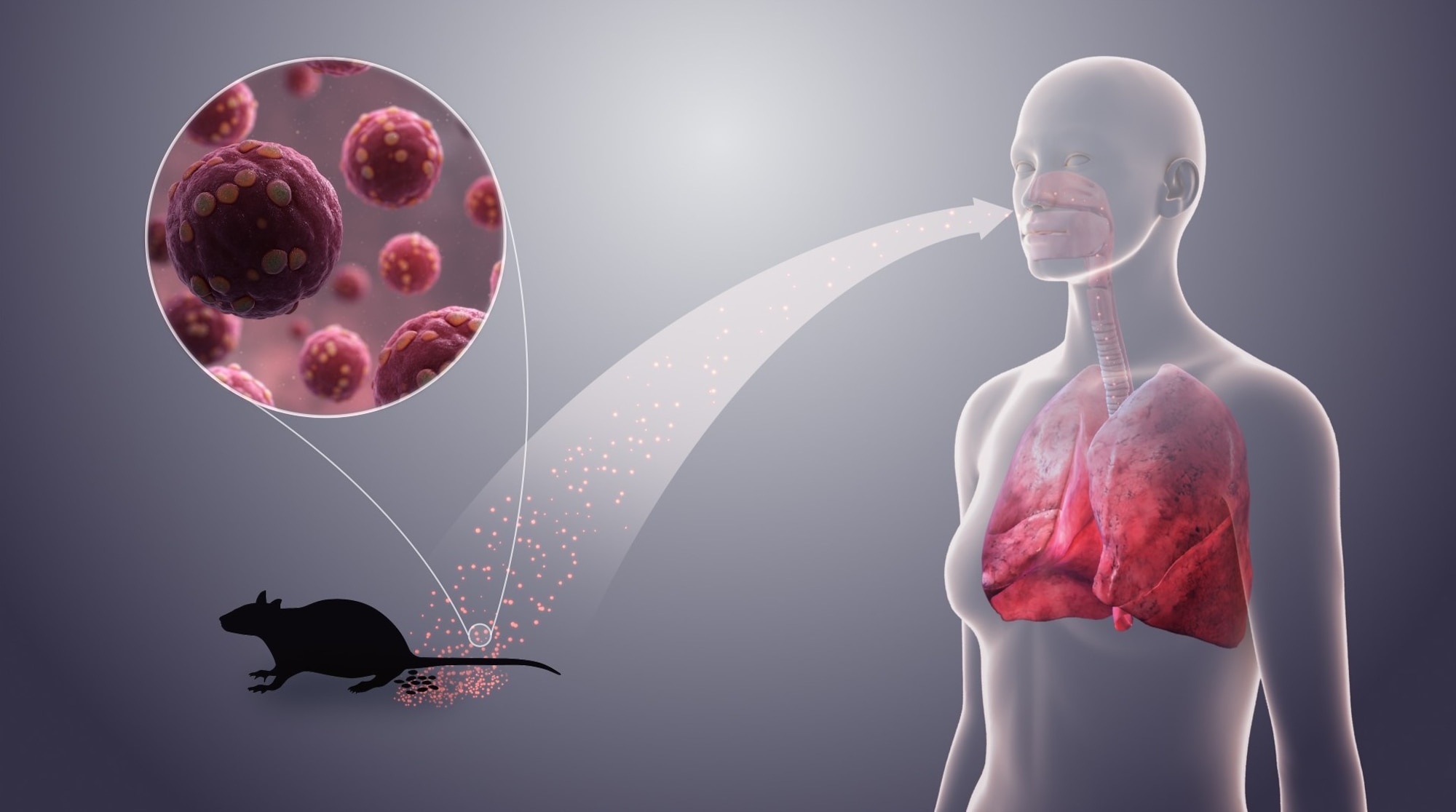
Hantavirus is not new, but it is dangerous. It spreads mainly through contact with infected rodents. Humans typically catch it by breathing in contaminated particles from rodent urine, droppings, or saliva. Unlike COVID-19, it does not spread from person to person, which experts say lowers the risk of a global outbreak.
Still, the illness can be severe. It causes two major conditions: Hantavirus Pulmonary Syndrome (HPS), which attacks the lungs, and Haemorrhagic Fever with Renal Syndrome (HFRS), which affects the kidneys. Early symptoms often resemble flu or COVID-19, fatigue, fever, and muscle pain, before rapidly worsening into breathing problems or organ failure.
There is currently no specific cure. Treatment focuses on supportive care, including oxygen therapy and intensive care support in serious cases. That makes early detection and prevention critical.
Globally, hantavirus remains rare but persistent. Around 150,000 cases of HFRS are reported each year, mostly in Asia and Europe. Health officials stress that avoiding rodent exposure, especially in confined environments like ships, is key to prevention.
For now, investigators are closely monitoring the situation on board. While the risk to the wider public remains low, the outbreak is a sharp reminder: even in a post-COVID world, infectious diseases can still emerge suddenly, and spread fear just as fast.
Leave a Reply