
The Harare City Council says there are currently no confirmed cases of Hantavirus in Zimbabwe after three Zimbabwean health workers linked to an international cruise ship exposure tested negative for the virus.
By Advent Shoko
The three were identified as contacts of a confirmed Hantavirus case while on Ascension Island and are now under precautionary quarantine and medical monitoring, according to health authorities.
The reassurance comes as global concern grows following reports by the World Health Organization of a cluster of Hantavirus infections connected to cruise ship travel involving multiple countries. The WHO says eight cases and three deaths have been recorded internationally so far.
The update is likely to calm fears in Zimbabwe after social media discussions and international reports triggered concern over a possible local outbreak.
In a statement released Tuesday, Harare City Council said the Ministry of Health and Child Care had confirmed that all three Zimbabweans tested negative.
“The Ministry of Health and Child Care confirmed that three Zimbabwean health workers who were identified as contacts of a confirmed case while on Ascension Island have tested negative for the virus,” the city said.
Officials said the individuals remain under observation purely as a precaution while public health teams continue monitoring developments linked to the international cases.
What Is Hantavirus?
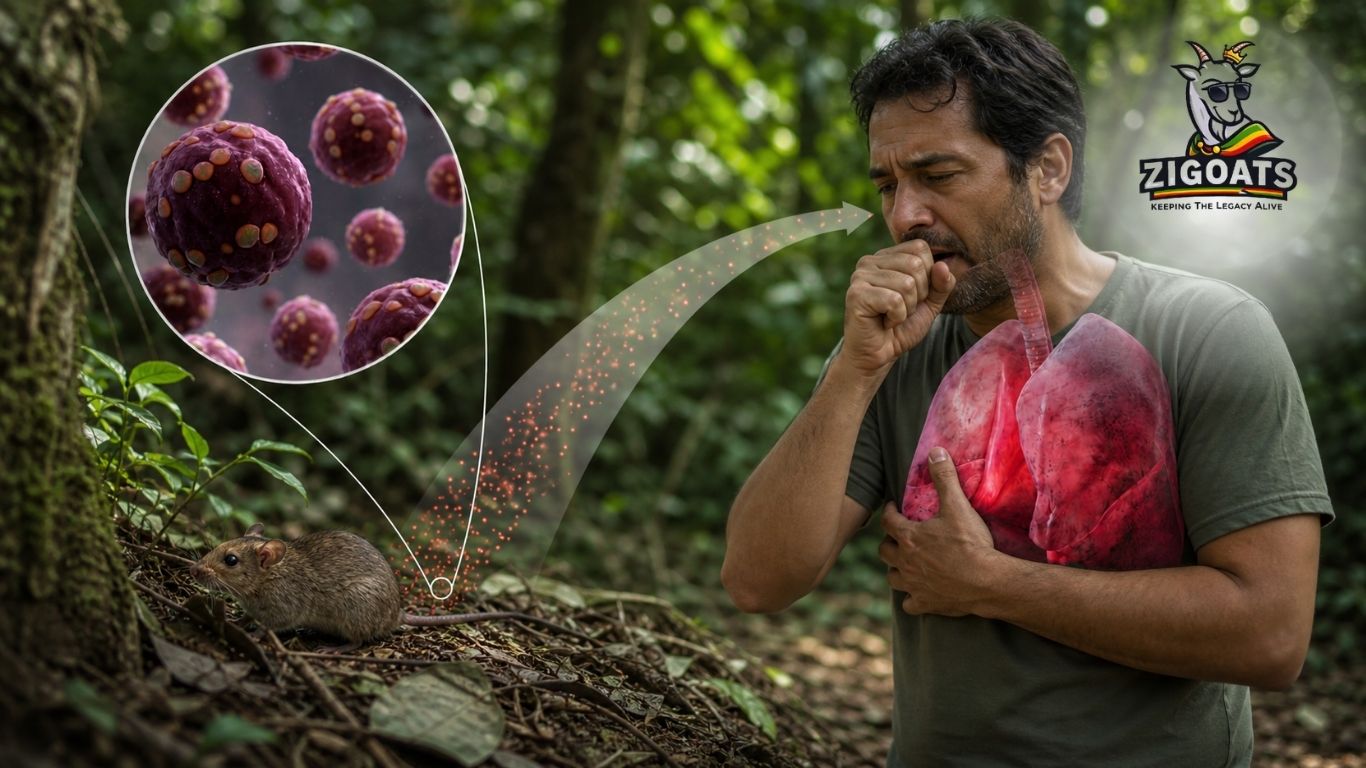
Hantavirus is a rare but potentially dangerous virus mainly carried by rodents such as rats and mice. In some cases, bats have also been associated with transmission.
People can become infected by inhaling tiny airborne particles contaminated by rodent urine, droppings or saliva. Infection may also occur after touching contaminated surfaces and then touching the face.
Health experts say the illness can initially resemble common flu symptoms, which sometimes makes early detection difficult.
Common symptoms include:
- fever,
- severe fatigue,
- headaches,
- muscle pain,
- nausea and vomiting,
- diarrhoea,
- abdominal pain,
- coughing,
- shortness of breath,
- chest tightness,
- dizziness,
- and low blood pressure.
In severe cases, the virus can lead to respiratory complications or kidney-related illness.
Health authorities say person-to-person transmission is considered uncommon in many forms of the virus, but close monitoring remains essential, especially when international travel is involved.
Why Health Officials Are Watching Closely
Health experts say cruise ships remain high-risk settings for infectious diseases because passengers and crew often share confined spaces for extended periods.
The latest international cluster has placed health authorities in several countries on alert, particularly where travellers may have had contact with infected individuals.
Zimbabwean authorities have urged the public to remain calm while continuing to take preventative measures against rodent exposure.
Residents were advised to:
- keep homes and workplaces clean,
- store food safely,
- dispose of waste properly,
- seal entry points used by rodents,
- avoid direct contact with rodents and their droppings,
- wash hands regularly,
- and wear protective gear when cleaning heavily infested areas.
Authorities also urged anyone experiencing symptoms associated with the virus to seek medical attention promptly.
For now, health officials insist there is no cause for panic in Zimbabwe, but say surveillance and monitoring systems remain active as global health agencies continue tracking the outbreak.
Leave a Reply