
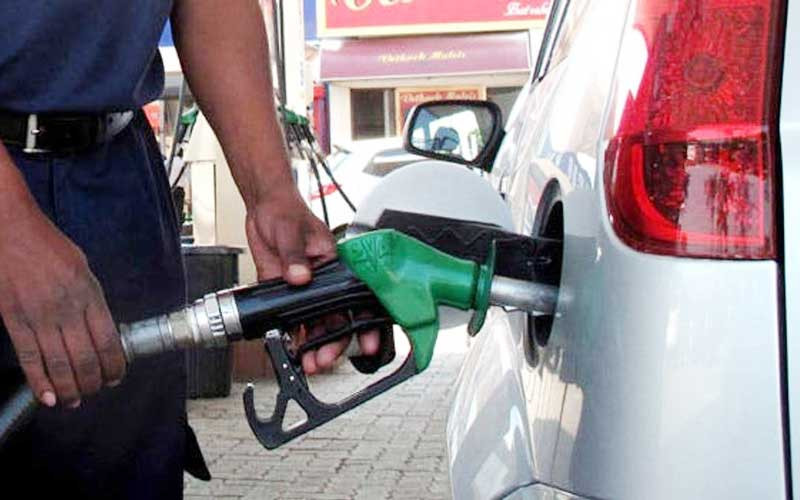
ZERA has announced fresh fuel prices for May 2026, with both petrol and diesel recording increases from April levels, raising fears of another ripple effect on transport fares, food prices, and daily living costs across Zimbabwe.
For many Zimbabweans, fuel price announcements are no longer just economic updates, they are warning signs of what could soon happen to transport fares, grocery prices, and household budgets.
By Advent Shoko
The Zimbabwe Energy Regulatory Authority (ZERA) this week announced new fuel prices effective 5 May 2026, with both diesel and petrol recording increases from April.
Blend E20 petrol is now selling at US$2.09 per litre, up from US$2.08 in April. Diesel 50 rose to US$2.08 per litre from US$2.07 previously.
| ZWG/litre | US$/litre | ||
| Diesel (50) | Blend (E20) | Diesel (50) | Blend (E20) |
| 53.15 | 52.86 | 2.09 | 2.08 |
In local currency, Blend E20 climbed from ZWG52.37 to ZWG53.15 per litre, while diesel moved from ZWG52.63 to ZWG52.86.
On paper, the increases may appear small. But in Zimbabwe’s fragile economy, fuel prices rarely move alone.
A single cent increase at the pump often triggers a chain reaction across the economy, especially in transport-dependent sectors. Commuters, informal traders, delivery businesses, and cross-border transport operators are usually among the first to feel the pressure.
Already, some motorists say they are struggling to keep up with rising monthly expenses as incomes remain stagnant while prices continue creeping upwards.
The latest adjustment also comes as businesses battle high operating costs and weakening consumer spending power.
In April, Government defended its fuel pricing model, saying it was prioritising supply stability through market-sensitive pricing and reduced taxes to cushion consumers from severe shocks.
Authorities also credited the shift from E5 to E20 ethanol blending for helping moderate fuel costs and protecting supplies.
ZERA says operators may still sell fuel below the official maximum prices depending on trading advantages, provided prices are displayed clearly at service stations.
For ordinary citizens, however, the bigger concern is not the few cents added today, but what those cents could trigger tomorrow in an economy where nearly every price tag is linked to fuel.
FUEL prices have been on the rise since the US-Israeli attack on Iran. Iran responded by blocking the Strait of Hormuz disrupting global supply chains.
Leave a Reply