
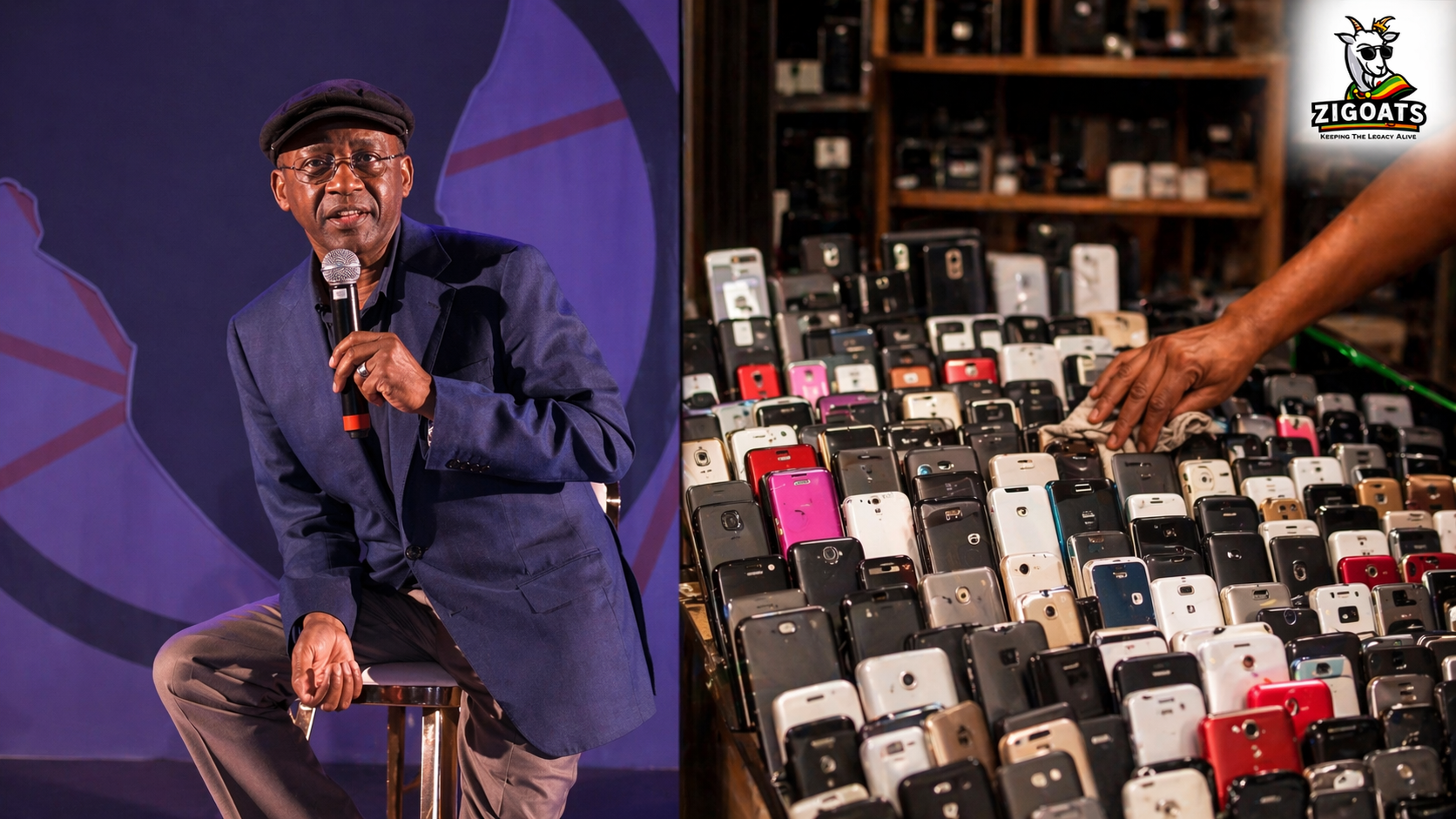
When Strive Masiyiwa said “we are live” on May 6, 2001, he wasn’t just making Nigeria’s first GSM call, he was flipping the switch on Africa’s largest digital economy.
By Advent Shoko
At the turn of the millennium, Nigeria’s telecoms sector was in collapse. Just 400,000 active lines served over 120 million people, controlled by state-owned NITEL. Over 10 million Nigerians were stuck on waiting lists, some for up to two years. For businesses, communication was unreliable. For ordinary citizens, it was nearly nonexistent.
Masiyiwa, leading Econet Wireless, stepped into that gap at a defining moment.
The breakthrough came in January 2001, when Nigeria held a globally watched GSM licence auction, a transparent, high-stakes process designed to dismantle monopoly control and attract private capital. The outcome was historic: three winners, including Econet and MTN, each paying $285 million, contributing to a total $855 million windfall.
That figure didn’t just raise revenue, it restored investor confidence.
Despite behind-the-scenes attempts to derail the process, regulators held firm, delivering one of the most credible telecoms auctions in emerging markets at the time. For Masiyiwa, execution became everything.
Econet moved fast. Within months of that first call, commercial rollout began. Nigerians responded instantly. In under a year, subscriber numbers surged past 1.5 million, beating government targets ahead of schedule.
The growth was explosive.
By 2008, Nigeria had over 60 million mobile users. Today, it boasts more than 180 million subscribers, with telecoms contributing over 14% to GDP, one of the strongest pillars of the economy.
But the deeper impact lies in what GSM enabled.
Mobile connectivity powered Nigeria’s fintech boom, giving rise to companies like Interswitch, Flutterwave, and Paystack. USSD banking unlocked financial inclusion for millions without internet access, all running on GSM infrastructure born from that auction.
Masiyiwa’s call was more than symbolic. It marked the moment Nigeria moved from isolation to inclusion.
The lesson is clear: transparent policy, strong regulation, and bold private investment can transform entire economies.
In 2001, Nigeria didn’t just auction spectrum, it built the foundation of its tech future.
Leave a Reply