
By Advent Shoko
HARARE – The Reserve Bank of Zimbabwe (RBZ) says it is moving from a “tight” to a “prudent monetary policy thrust”, marking a Zimbabwe prudent monetary policy shift that places greater emphasis on managing money supply and laying the foundation for long-term stability rather than reacting to short-term price swings. This is a big deal for businesses, households and markets still feeling the effects of decades-long currency turmoil.
In its latest quarterly snapshot, the RBZ highlighted a sharp drop in inflation, exchange rate stability, and strengthened foreign currency reserves as proof that disciplined policy is working. By the end of 2025, annual ZiG inflation had fallen to around 15 percent, far below earlier targets, and month-to-month inflation stayed low. The interbank exchange rate also showed unusual calm, hovering around 26 ZiG to the dollar as parallel market premiums narrowed.
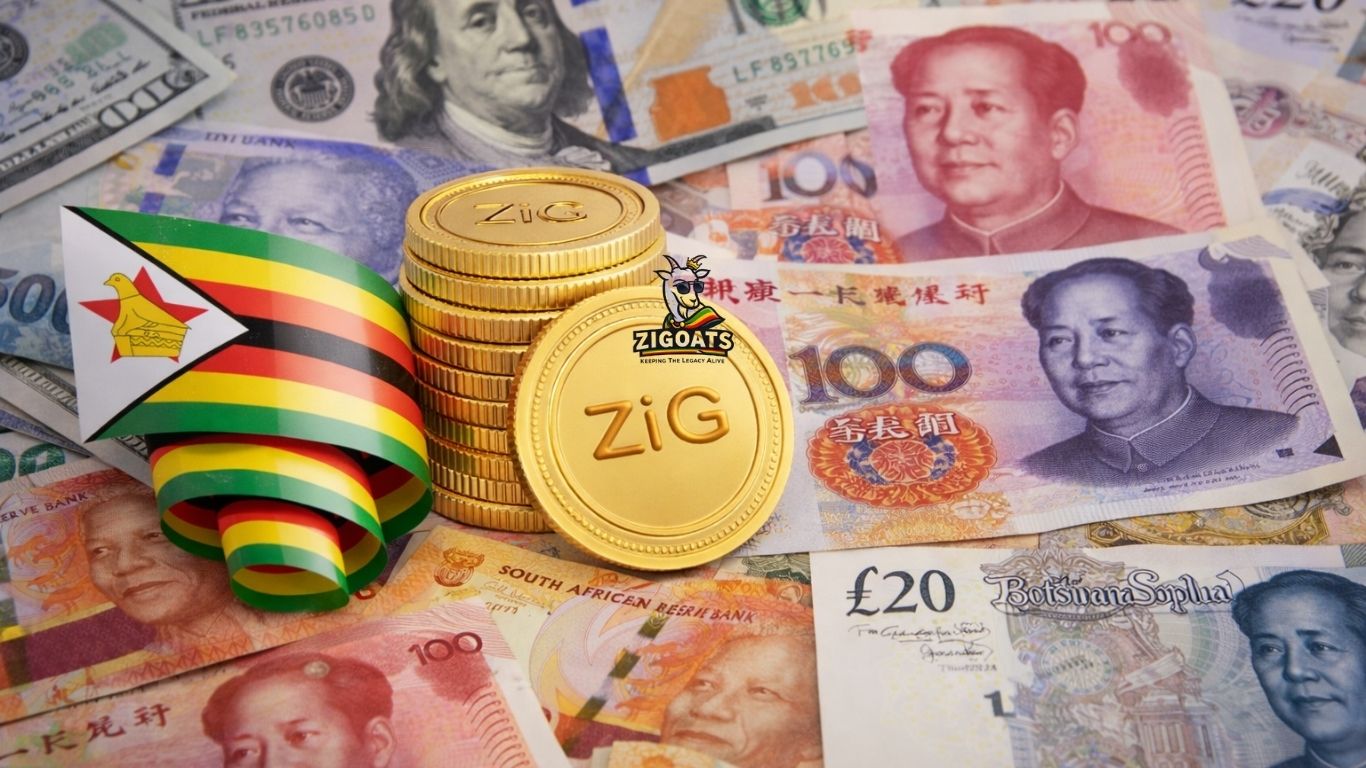
This shift comes after Zimbabwe introduced its gold-backed currency, the Zimbabwe Gold (ZiG), in April 2024, aiming to replace the “chaotic multi-currency system” dominated by the US dollar, a currency most everyday transactions still rely on. The ZiG is the sixth attempt at a sovereign currency since the collapse of the old Zimbabwe dollar and hyperinflation era, a history that scarred investor confidence and household purchasing power.
- Steward Bank Withholding Tax Hits Visa Card Payments
- NetOne Reverse Calling: Call Someone Even With No Airtime
- 25 000 People Cross Beitbridge Border Into South Africa Daily As Post-festive Migration Surges
- US$700m Magunje Cement Project Signals Zimbabwe’s Industrial Reboot
Zimbabwe Prudent Monetary Policy Shift – And Why It Matters
The old strategy focused on tightening conditions, high interest rates and strict liquidity control, to tame inflation. In late 2025, the central bank held its key policy rate at 35 percent, signalling continuity in discipline while hinting that future adjustments could better balance inflation control with growth needs.
Now, the emphasis is on prudent money supply management, meaning the RBZ wants to carefully calibrate how much money is in circulation to avoid fueling price rises without choking economic activity. Analysts see this as acknowledging business feedback that high borrowing costs were weighing on investment and formal credit markets.
This is also about building confidence in the ZiG. Zimbabwe has been accumulating foreign reserves to back the ZiG, with figures rising to around US$683 million, surpassing initial reserve coverage targets. Strong reserves are crucial before a full transition to a mono-currency system, where the ZiG would eventually replace the US dollar as the sole legal tender.
Inflation Trends Offer Hope
After years of volatility and occasional spikes, recent inflation data show a steadier trend, with annual ZiG inflation slowing dramatically through 2025. Official projections put the nation on track to hit single-digit inflation in early 2026, a milestone not reached in decades. This reflects tighter money supply control, better reserve management, and coordinated fiscal support.
Challenges Still Ahead
Despite progress, issues remain. Zimbabwe’s economy still runs heavily on the US dollar, especially in the informal sector where trust in the ZiG remains limited. Many businesses and consumers prefer the greenback for daily transactions, slowing the pace of local currency adoption.
Moreover, to transition to a mono-currency regime by 2030, Zimbabwe needs to build foreign currency reserves to at least US$5–6 billion, a tall order given current levels under US$1 billion.
What This Means for Zimbabwe’s Future
This pivot in policy is more than technical jargon. It signals a maturing monetary framework, one designed to balance inflation control with economic growth, currency credibility, and investor confidence. For ordinary Zimbabweans, the hope is that stable prices, a reliable currency, and a well-managed money supply will mean more predictable costs of living and fewer shocks to savings and wages.
For businesses, calm inflation and a predictable exchange rate can encourage investment and lending, if borrowing costs eventually ease. For policymakers, it underscores how far Zimbabwe has come from the days of hyperinflation, yet how far it must still go toward sustainable macroeconomic stability.
Leave a Reply