

Whistleblower says illegal USF use killed Telecel, made Econet dominant. Now authorities talk “rescue plan”
By Advent Shoko
HARARE, July 27, 2026 – Former NetOne CEO Reward Kangai says he warned government officials eight years ago that acquiring a 60% stake in Telecel Zimbabwe would destroy the company. He says he was arrested five days later for raising the alarm.
Now, with talk of a government “rescue plan” for the struggling mobile operator, Kangai is speaking out again.
“The collapse was imminent”
In a statement this week in response to The Herald article, Kangai said he flagged the risks in a January 5, 2018 memo titled “The Birth and Growth of a cartel or cabal in the ICT sector in Zimbabwe.”
“The collapse of that company was imminent right from the start of the 60% share acquisition by the Government and I warned the authorities against acquiring those shares currently now held by the Mutapa Fund,” Kangai said.
“Only to be arrested 5 days later by @ZACConline_ on trumped up charges!”
Kangai’s allegations are not new. In 2018, the Zimbabwe Anti-Corruption Commission (ZACC) arrested him on corruption-related charges, which he has consistently maintained were politically motivated and intended to punish him for exposing alleged irregularities in the ICT sector, including the Telecel transaction. ZACC has never publicly stated that his arrest was linked to his whistleblowing, while Kangai continues to insist the prosecution was retaliation for raising concerns over the acquisition and other alleged corruption in the sector.
The 60% stake is now held by the Mutapa Investment Fund, the state sovereign wealth fund.
The government’s entry into Telecel dates back to January 2017 when it completed the US$40 million purchase of a 60% stake from Amsterdam-based VimpelCom through state-owned internet service provider ZARNet, a company wholly owned by the Ministry of Information Communication Technology, Postal and Courier Services.
While ZACC and POTRAZ are yet to comment on Kangai’s latest allegations, then ICT Minister Supa Mandiwanzira defended the acquisition at the time, saying it would secure the future of Zimbabwe’s third-largest mobile network. He revealed that the government had immediately injected a further US$5 million into Telecel after completing the purchase and said authorities intended to eventually acquire the remaining 40% stake before privatising the company through a stock exchange listing or sale to investors.
Appearing before Parliament in 2017, Mandiwanzira disclosed that the US$40 million used to acquire the controlling stake had been raised through the National Social Security Authority (NSSA), the state pension fund that manages retirement contributions from Zimbabwean workers. That revelation meant the investment was ultimately backed by money contributed by pensioners and formally employed workers, making Telecel’s subsequent decline more than just a corporate failure. Critics argue the company’s struggles have raised broader questions about the stewardship of public pension savings and whether contributors received value from an investment financed with their retirement funds.
Kangai argues the deal was doomed from the start because of market realities.
“It’s like ‘closing the stable after the horses have bolted’, for how would the company be successfully rescued when one of the competitors has already acquired some 80% market share?” he said.
“Industry experts will tell you that it’s a Herculean task to try to dislodge a dominant player like that as market share gain in that industry is ‘a zero-sum game’.“
Allegations of illegal USF use
The core of Kangai’s accusation centers on the Universal Service Fund, USF – money collected to expand access in rural areas.
He claims the fund was illegally used to finance the government’s Telecel share purchase, in breach of the Postal and Telecommunications Act, Chapter 12:05.
“That’s why that dominant operator never contested the illegal use of the Universal Service Fund, USF for that share acquisition by Government as they most likely knew that it would make Telecel moribund, much to their advantage,” Kangai said.
“That operator remains the largest contributor to the USF, whose funds were illegally used in that acquisition.”
He says those responsible should have faced prosecution.
“That illegal use of the USF should have resulted in the arrest and prosecution of then ICT Minister (Supa Collins Mandiwanzira) and then POTRAZ Board Chairman, who in fact, constituted the significant part of the cartel or cabal in the ICT sector that I referred to earlier, but I, the Whistleblower not only for this matter but many others, was instead arrested!”
“When corruption whistleblowers end up being arrested themselves, it tells you everything that you would ever want to know about corruption in any given jurisdiction.”
“Should’ve settled for 20%”
Other industry voices agree the 2018 deal put Telecel at a disadvantage.
“These guys should’ve settled for 20% free carrying and left 80% to the investor with deep pockets, the story could’ve been different now,” one commentator said.
“You’re right dislodging Econet will never happen unless they find a buyer like MTN, other it’s worst if resources.”
Econet Wireless, founded by billionaire Strive Masiyiwa, remains Zimbabwe’s dominant mobile operator with an estimated 80% market share. NetOne, the other state-owned operator, sits in second place.
What happens next
Government officials have recently hinted at a new recapitalization plan for Telecel. Details have not been made public.
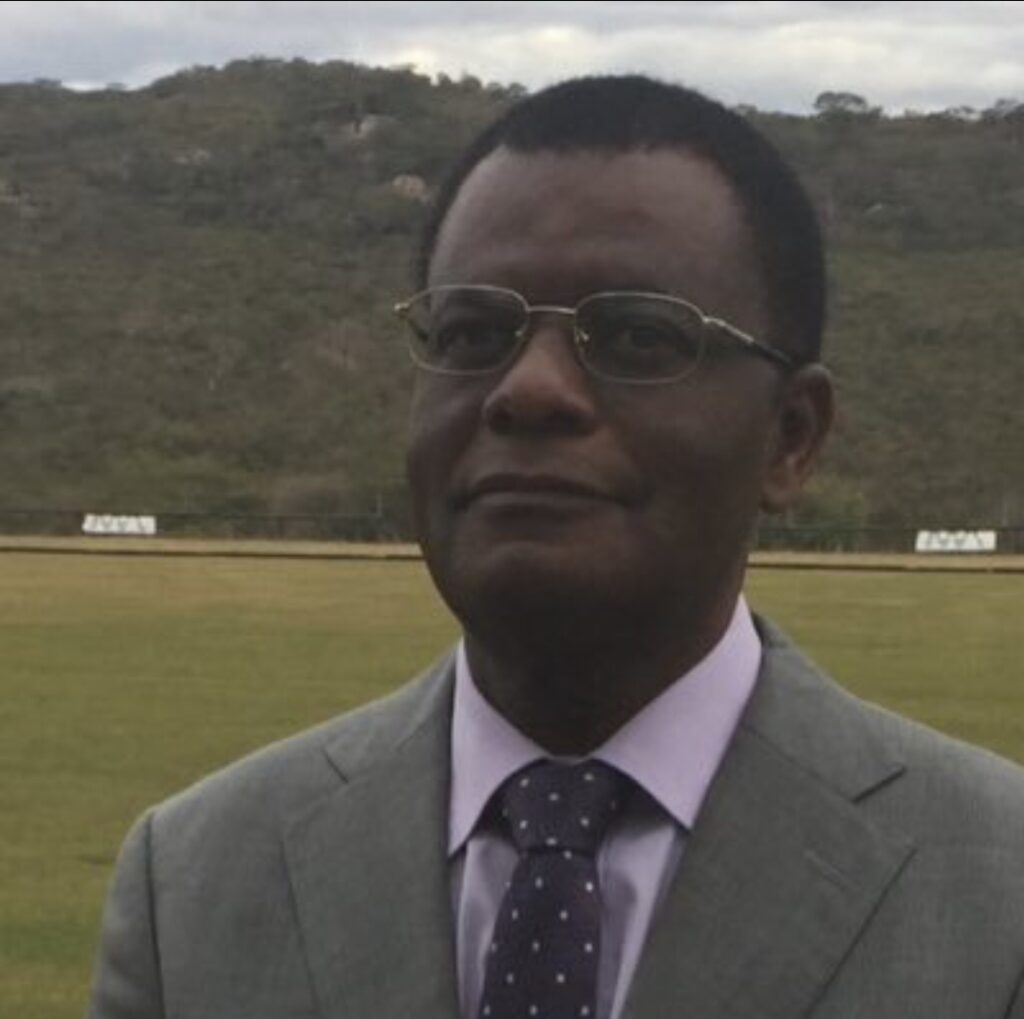
For Kangai, it’s too late.
“It’s like ‘closing the stable after the horses have bolted’,” he said.
The Telecel case has become a reference point in Zimbabwe’s wider debate about SOE management, corruption, and the treatment of whistleblowers.
As the government weighs its next move, the market leader isn’t waiting. Econet continues to expand 4G and 5G coverage, making the gap even wider.
Leave a Reply