
BY ADVENT SHOKO | ZIGOATS | AGRICULTURE & CLIMATE
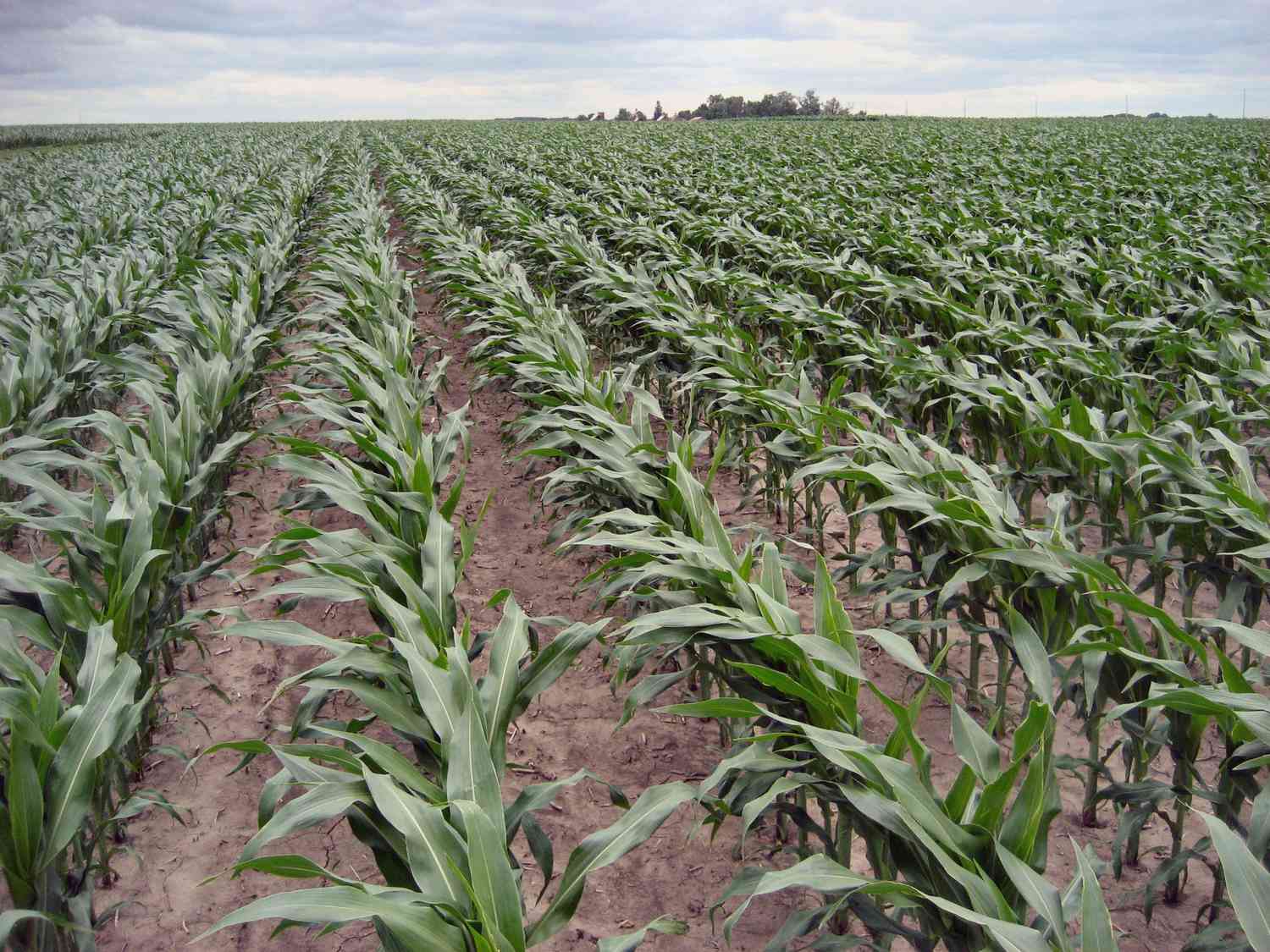
Zimbabwean farmers have been encouraged to take advantage of the latest rainfall and begin planting where sufficient soil moisture has been received, offering some hope at the start of a farming season clouded by warnings of an impending El Niño-induced drought.
The Meteorological Services Department (MSD) says farmers who have received adequate rainfall can start planting, although those who experienced only light showers should wait for more rain before putting seed into the ground.
The advice comes after widespread rainfall on Monday, November 9, raised hopes among farmers who had been hesitant to begin planting following earlier forecasts of a generally drier-than-normal 2026/27 agricultural season.
According to the MSD, more rainfall is expected over the next two weeks, potentially providing further opportunities for farmers to establish their crops.
MSD Deputy Director Isaac Masawana said Bikita recorded the highest rainfall at 91mm, followed by Kutsaga in Harare with 82mm. Several areas in the north-eastern parts of the country received between 30mm and 40mm.
“The highest rainfall was recorded in Bikita, which was 91 millimetres, followed by 82 millimetres in Kutsaga, Harare. Several other places in the north-eastern parts of the country received 30 to 40 millimetres, which is average for planting,” Masawana said.
However, the department’s advice should not be interpreted as a declaration that the country has escaped the threat of a poor rainfall season. The distinction between receiving the first effective rains and having a reliable rainfall season will be particularly important this year.
El Niño Threat Remains
The 2026/27 rainfall outlook, released by the MSD, points to below-normal rainfall across Zimbabwe, with prolonged dry spells and warmer-than-usual temperatures expected.
The forecast is linked partly to a developing El Niño, a climate phenomenon associated with the warming of surface waters in the central and eastern tropical Pacific Ocean. It often disrupts rainfall patterns in Southern Africa, increasing the likelihood of drought in countries such as Zimbabwe.
The Southern African Development Community (SADC) has also warned that much of the region could experience below-normal rainfall. Its August 2026 regional outlook identifies Zimbabwe, Zambia, Mozambique, Botswana, Namibia and parts of South Africa among the countries facing a heightened risk of drier conditions.
The warning carries particular significance given the devastating 2023/24 El Niño drought, which left much of Southern Africa struggling with crop failures, livestock losses and food shortages.
In Zimbabwe, the World Bank reported that maize yields during the 2023/24 season fell by 60% compared with the five-year average. The drought also contributed to widespread food insecurity and economic hardship.
The latest outlook therefore presents farmers with a difficult balancing act: making use of available rainfall without risking valuable seed and inputs through premature planting.
What Should Farmers Plant?
With the threat of prolonged dry spells, agricultural experts are encouraging farmers to consider short-season and drought-tolerant varieties rather than relying entirely on conventional maize production.
Sorghum, pearl millet, finger millet and cowpeas are among the crops that can play an important role in areas prone to moisture stress. Groundnuts and selected drought-tolerant maize varieties can also contribute to household food security, depending on local conditions and the farmer’s agro-ecological region.
Chief Agronomist Ivan Craig has urged farmers to prioritise drought-tolerant varieties suited to their respective ecological regions and make use of the Pfumvudza/Intwasa conservation agriculture programme.
“Yes, El Niño is upon us, but farmers are optimistic with Pfumvudza/Intwasa to get a harvest,” Craig said, encouraging farmers to establish drought-tolerant crops.
Conservation agriculture, which emphasises minimum soil disturbance, mulching and careful water management, can help retain soil moisture and reduce the effects of dry spells.
Farmers have also been advised to watch out for fall armyworm and increased weed growth following the rains, which can threaten crops during their early stages.
Agriculture Sector Faces A Bigger Test
The challenge extends beyond rainfall. Zimbabwe’s agricultural sector has undergone significant changes since the Fast Track Land Reform Programme, which redistributed land and expanded smallholder participation in farming.
However, access to land alone has not guaranteed productivity. Many farmers continue to face challenges accessing affordable finance, fertiliser, quality seed, irrigation infrastructure, agricultural equipment and reliable markets.
Agriculture remains central to the economy. The World Bank estimates that the sector contributes 17% of GDP, accounts for 40% of exports and employs about 70% of the population. Its heavy dependence on rain-fed production makes it particularly vulnerable to changing weather patterns.
Climate change is adding another layer of uncertainty. Research cited by the World Bank indicates that drought frequency increased from one in 10 growing seasons between 1902 and 1979 to one in four between 1980 and 2011. This makes investment in irrigation, climate-smart agriculture, water harvesting and agricultural research increasingly important.
There are, however, reasons for cautious optimism. Zimbabwe’s 2025/26 maize harvest was estimated at 2.35 million tonnes, approximately 40% above the 10-year average, according to FEWS NET. But production gains do not automatically translate into food security for every household, particularly in drought-prone areas where food stocks and purchasing power remain under pressure.
FEWS NET has warned that some deficit-producing areas could experience Crisis-level food insecurity as household food stocks decline and staple food prices remain high.
A Promising Start, But Caution Remains
For now, Monday’s rainfall offers an opportunity that farmers should not ignore. However, the priority must be to plant strategically, preserve soil moisture, diversify crops and follow regular weather updates rather than assume that one widespread rainfall event guarantees a successful season.
The MSD’s message is essentially one of cautious optimism: farmers with adequate moisture can start planting, while others should wait for sufficient rainfall.
Ultimately, Zimbabwe’s food security will depend not simply on how much rain falls, but on how effectively farmers, Government and agricultural institutions prepare for increasingly unpredictable seasons.
Leave a Reply