
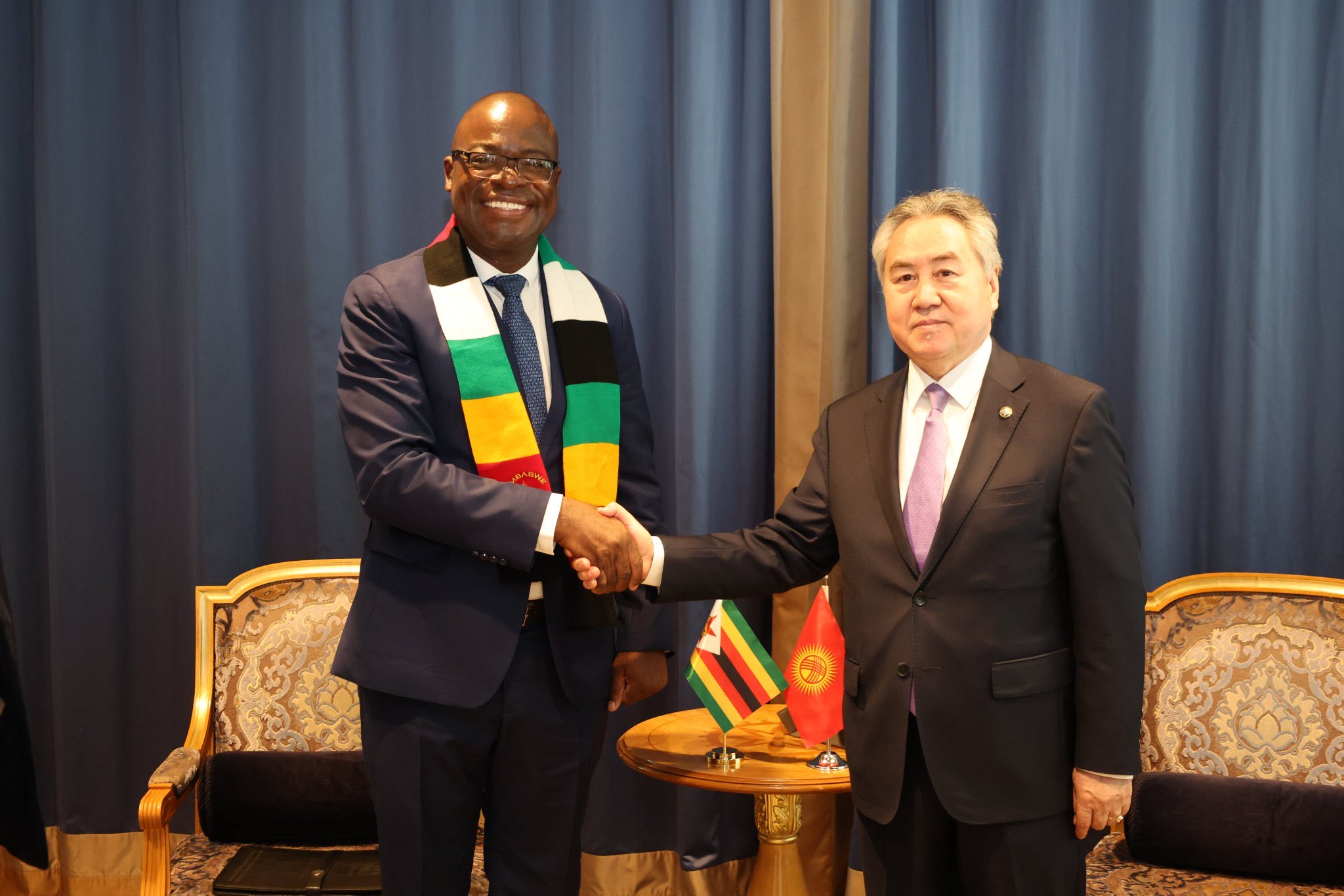
When Zimbabwe secured 182 votes to win a non-permanent seat on the United Nations Security Council (UNSC) on Wednesday, government officials and diplomats celebrated what they described as a major diplomatic breakthrough.
By Advent Shoko
For many ordinary Zimbabweans who interacted with ZiGoats Media, however, the immediate question was much simpler:
“How does a seat in New York improve life for people in Harare, Bulawayo, Mutare, Gweru, Masvingo or rural communities across the country?“
The answer is both straightforward and complex.
Zimbabwe’s election to the UN Security Council will not automatically reduce prices in shops, create jobs overnight, repair roads or solve long-standing economic challenges. It will not immediately improve salaries, lower school fees or make healthcare more affordable.
However, diplomats, international relations experts and policymakers argue that the achievement could have significant long-term benefits for the country if it is used effectively.
To understand why, it is important to first understand what the Security Council is and why membership matters.
The World’s Most Powerful Decision-Making Table
The United Nations Security Council is widely regarded as the most powerful organ of the United Nations.
Unlike many UN bodies that mainly make recommendations, the Security Council can make legally binding decisions that affect countries across the world. It can impose sanctions, authorise peacekeeping missions, approve military interventions and respond to conflicts that threaten international peace and security.
The council consists of five permanent members namely China, France, Russia, the United Kingdom and the United States, each of which holds veto power.
Ten additional countries serve as non-permanent members for two-year terms.
Beginning in January 2027, Zimbabwe will join that exclusive group after receiving overwhelming support from UN member states.
For two years, Zimbabwe will sit at the same table where some of the world’s most important decisions are debated and shaped.
A Vote Of Confidence In Zimbabwe
One of the clearest messages from the election result is that Zimbabwe received broad support from the international community.
Winning 182 votes out of 190 valid ballots is not a narrow victory. It represents overwhelming backing from countries across Africa, Asia, Europe, the Americas and the Middle East.
In diplomatic terms, such support signals confidence in Zimbabwe’s ability to contribute to international discussions on peace, security and global cooperation.
The result has already generated congratulations from dozens of countries, including Indonesia, Portugal, Rwanda, Ireland, Belgium, Norway, Denmark and members of the European Union.
For Zimbabwe, the election represents more than just a diplomatic success. It signals that the country has gained enough support to secure a place at one of the most influential tables in global affairs.
So What Does This Actually Mean For Ordinary Zimbabweans?
This is where many people become confused.
Most Zimbabweans are not worried about resolutions, diplomatic negotiations or Security Council procedures. They are concerned about jobs, business opportunities, inflation, healthcare, education and the cost of living.
So why should they care?
The simplest answer is that decisions made by the Security Council often affect everyday life, even when those decisions are taken thousands of kilometres away.
Take sanctions, for example.
The Security Council has the power to impose sanctions on countries, organisations or individuals. Such measures can restrict trade, banking activities, travel and access to international markets.
Although Zimbabwe’s current sanctions are not UN Security Council sanctions, Zimbabwe’s presence on the council means the country will have a voice in global discussions about sanctions and their impact on ordinary people.
Many African countries have argued that sanctions can sometimes hurt civilians more than political leaders. Zimbabwe will now have a platform to contribute to those debates.
Another example is Libya.
In 2011, the Security Council adopted resolutions that authorised international action during the uprising against former Libyan leader Muammar Gaddafi. Those decisions changed the course of Libya’s history.
More than a decade later, Libya continues to grapple with political instability, armed groups and economic challenges.
Had Zimbabwe been on the Security Council at the time, it would have participated in the discussions and voting that helped shape those decisions.
The lesson is simple: Security Council decisions can have long-lasting consequences for entire nations.
Why Conflicts Far Away Matter At Home
Many people assume wars in distant countries have little impact on Zimbabwe.
In reality, global conflicts often affect ordinary citizens in ways they may not immediately recognise.
Consider the Russia-Ukraine war.
The conflict disrupted grain exports, energy markets and global supply chains. As prices rose internationally, many countries experienced increases in food and fuel costs.
Consider the Israeli-US war on Iran.
Zimbabwe was not directly involved in the conflict, yet households still felt some of the economic effects through higher prices and increased pressure on supply chains.
Commuters and motorists are feeling the pressure after oil prices went up mainly because the Strait of Hormuz was closed. They are not in the Middle East, but kombi operators woke up and doubled fares affecting commuters.
Similarly, conflicts in Sudan, the Democratic Republic of Congo, South Sudan and the Middle East often create humanitarian crises, refugee movements and economic disruptions that affect entire regions.
The Security Council is frequently at the centre of efforts to manage such crises.
Zimbabwe’s seat means the country will no longer merely observe these discussions from the sidelines. It will participate in shaping the responses.
A Bigger Voice For Africa
Zimbabwe’s election is also important because it gives Africa another voice in global decision-making.
For decades, African leaders have argued that the continent remains underrepresented in major international institutions despite having more than one billion people.
As an African representative on the council, Zimbabwe will have opportunities to contribute to discussions on issues affecting the continent, including peacebuilding, terrorism, climate-related security risks, migration and development.
This does not mean Zimbabwe will speak for every African country. However, it will have an opportunity to help advance African perspectives in debates often dominated by larger global powers.
Could There Be Economic Benefits?
This is perhaps the question most citizens are asking.
A Security Council seat does not come with a cheque, a grant or direct financial rewards.
No money is automatically transferred to Zimbabwe because it won the election.
However, diplomatic influence and economic opportunities are often closely connected.
Countries that are viewed as active and constructive players in international affairs frequently find it easier to build partnerships, attract investment and strengthen economic cooperation.
The increased international visibility generated by Security Council membership can help place Zimbabwe on the radar of governments, investors, development agencies and international institutions.
That visibility alone will not transform the economy.
However, it can create opportunities that the country may be able to leverage for trade, tourism, investment promotion and development partnerships.
In diplomacy, influence often opens doors before money follows.
Strengthening Zimbabwe’s Global Standing
The election is also being viewed as a boost for Zimbabwe’s engagement and re-engagement efforts.
For years, Harare has sought to improve relations with countries and institutions across the world after being sidelined at the turn of the millennium.
President Emmerson Mnangagwa described the Security Council victory as evidence of growing international confidence in Zimbabwe.
Whether viewed politically or diplomatically, the election result demonstrates that a large majority of UN member states supported Zimbabwe’s candidacy.
That support provides momentum which Zimbabwe can potentially use in other international forums and negotiations.
More Responsibility Than Prestige
While the achievement is being celebrated, Security Council membership is not simply about prestige.
It comes with major responsibilities.
Zimbabwe will be expected to take positions on difficult global issues involving wars, humanitarian emergencies, sanctions, peacekeeping missions and international security crises.
At times, the country may find itself navigating complex disagreements between major powers such as the United States, China and Russia.
There will be situations where no option satisfies everyone.
The quality of Zimbabwe’s diplomacy will therefore be tested on some of the most challenging issues facing the world.
The Bottom Line
Zimbabwe’s election to the UN Security Council will not immediately put money into people’s pockets.
It will not instantly create jobs, lower prices or solve the country’s economic challenges.
But it does give Zimbabwe something that very few countries possess: a seat at one of the most influential decision-making tables in the world.
For the next two years, Zimbabwe will help debate and shape responses to international conflicts, sanctions, peacekeeping missions and global security challenges.
The real value of the seat lies in influence, visibility and opportunity.
If used effectively, it could strengthen Zimbabwe’s international standing, expand diplomatic partnerships and create opportunities that benefit the country in the years ahead.
Whether that translates into tangible gains for ordinary citizens will depend not on the seat itself, but on how Zimbabwe chooses to use it.
Leave a Reply