
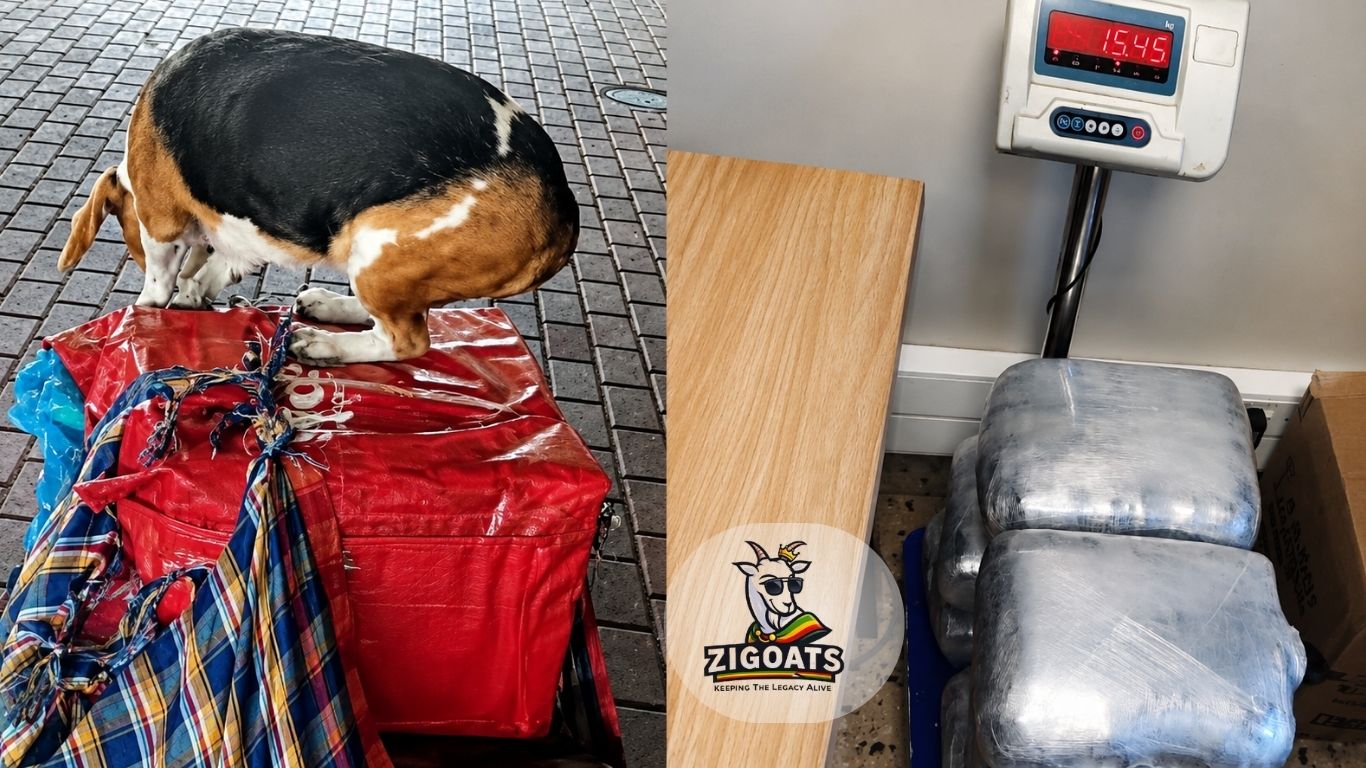
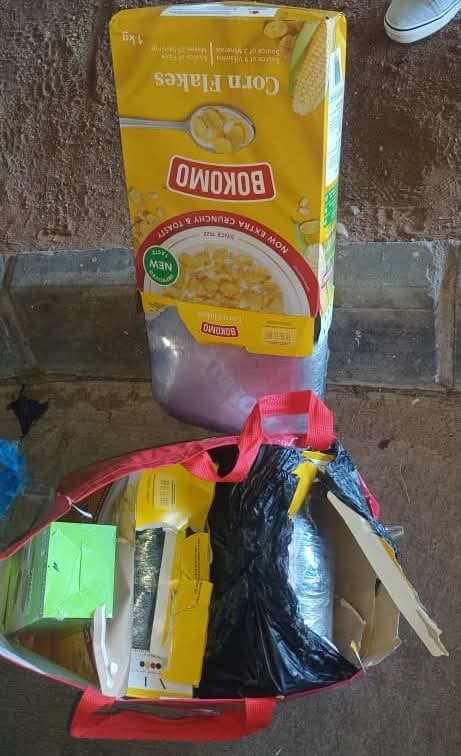
A routine border inspection at Beitbridge turned into another major anti-smuggling bust this week after the Zimbabwe Revenue Authority (ZIMRA)’s K9 Unit detected more than 15 kilogrammes of dagga concealed inside food packaging and wrapped parcels.
By Advent Shoko
The interception, carried out on May 13, 2026, saw border authorities recover approximately 15.45kg of dagga with an estimated street value of US$15,450 before the consignment could enter the country.
According to ZIMRA, trained detection dogs alerted handlers to suspicious cargo during inspections at the busy border post, triggering a detailed search that uncovered the hidden drugs.
Beitbridge Border Post, which links Zimbabwe and South Africa, is one of the busiest inland ports in southern Africa, processing thousands of travellers, buses and commercial trucks daily. The heavy traffic volume has long made the border a prime target for smugglers attempting to move drugs, undeclared goods and other prohibited items across the region.
Authorities said the dagga had been deliberately concealed in ordinary packaging in what appeared to be an attempt to bypass routine inspections.
However, the concealment failed to evade the K9 Unit.
“This operation highlights ZIMRA’s continued commitment to safeguarding communities, fighting smuggling and protecting the economy through strong border controls, intelligence-led operations and effective inspection systems,” ZIMRA said in a statement.
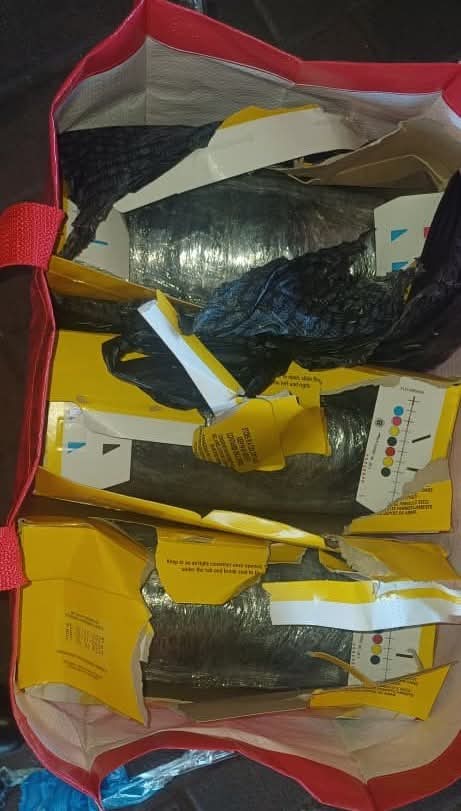
The authority warned that smuggling illegal or prohibited goods remains a serious criminal offence and said enforcement teams across the country’s ports of entry remain on high alert.
Zimbabwean authorities have in recent years intensified efforts to strengthen surveillance systems at border posts through technology, intelligence gathering and specialised units such as the K9 division, which has become a key frontline tool in detecting concealed contraband.
Security experts say trained sniffer dogs remain among the most effective methods of identifying hidden narcotics because of their ability to detect scents that are often missed during ordinary physical inspections.
The authority urged travellers, transporters and members of the public to comply with border regulations and avoid involvement in smuggling activities.
“Together, let us keep our borders safe and our communities protected,” the authority said.
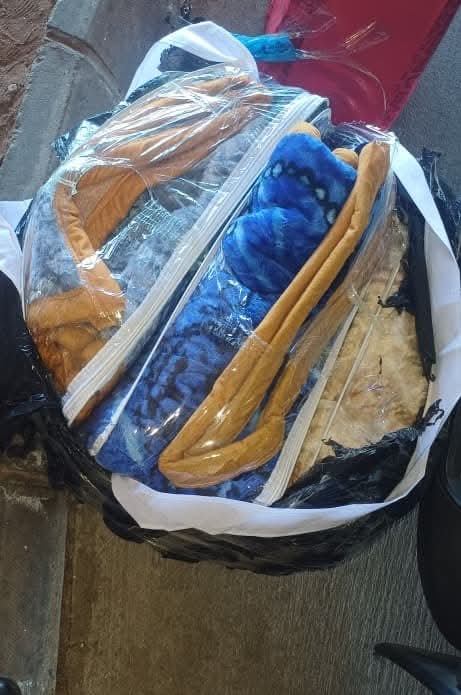
The seizure comes amid growing regional concern over the movement of narcotics through cross-border transport corridors, with traffickers increasingly using concealed packaging methods to avoid detection.
Law enforcement agencies say drugs smuggled through border points often end up in communities, fuelling criminal activity, addiction and social harm, particularly among young people. Authorities have increasingly raised concern over the growing abuse of dangerous substances in Zimbabwe, warning that the country is battling a widening drug and substance abuse crisis affecting families, schools and communities.
According to the Ministry of Health and Child Care and national public health surveys, some of the most commonly abused substances in Zimbabwe include crystal meth, locally known as mutoriro or dombo, which has rapidly emerged as one of the country’s most addictive synthetic drugs, especially among youths. Other widely abused substances include alcohol, both commercially produced and illicit brews such as musombodiya, cannabis commonly known as mbanje, codeine-based cough syrups including BronCleer and Histalix, as well as the unauthorised use of prescription medicines, sedatives and anti-anxiety drugs such as benzodiazepines.
Leave a Reply