
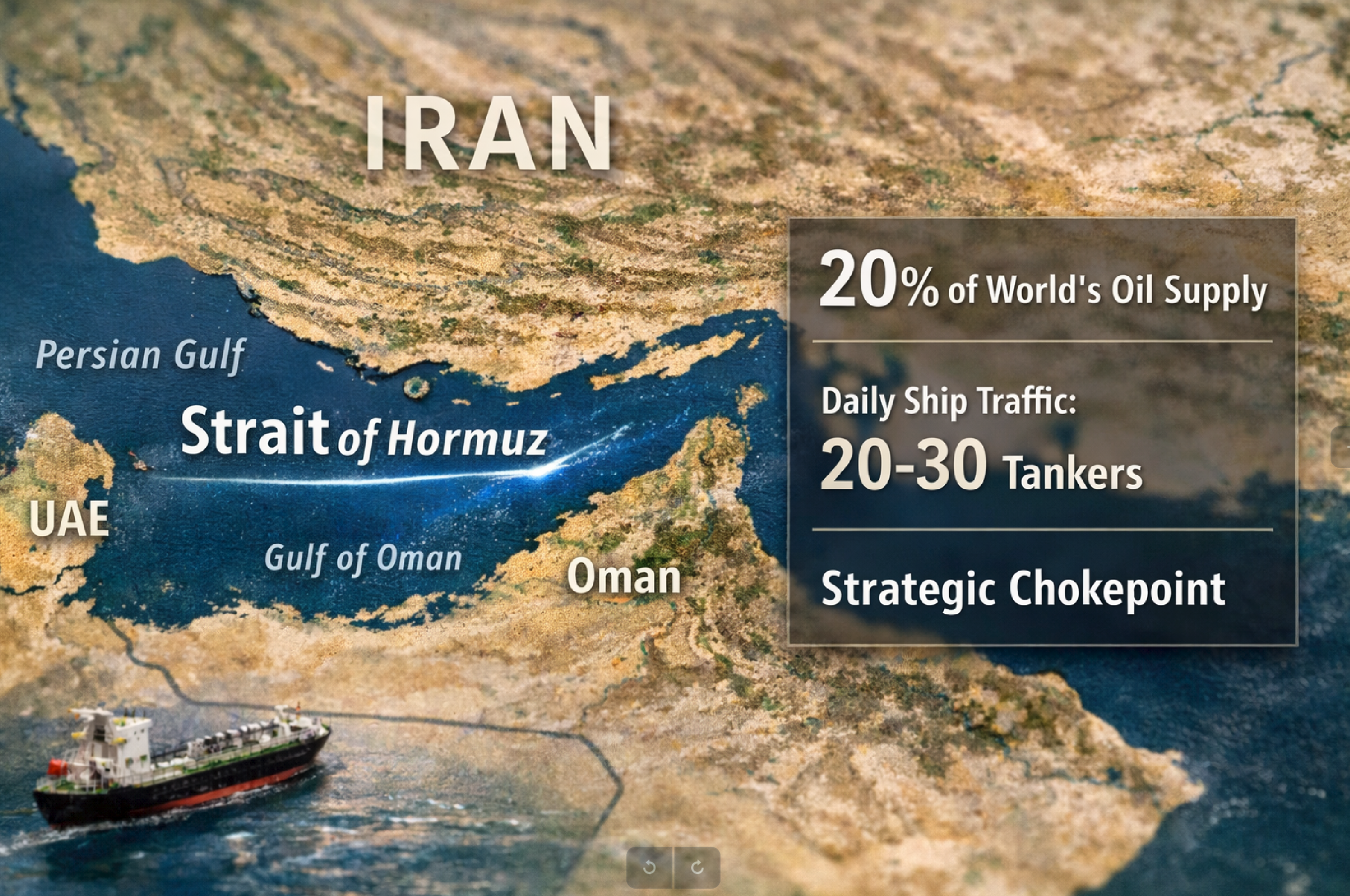
US President Donald Trump has escalated rhetoric over Iran’s latest maritime and military posture, claiming Tehran is “self-sabotaging” by attempting to close the Strait of Hormuz, one of the world’s most critical oil transit chokepoints.
By Advent Shoko
In a post on Truth Social, Trump accused Iran of violating ceasefire understandings and endangering international shipping in the Gulf region. He wrote:
“Iran decided to fire bullets yesterday in the Strait of Hormuz, A Total Violation of our Ceasefire Agreement! Many of them were aimed at a French Ship, and a Freighter from the United Kingdom.”
Trump further claimed that Iran’s reported decision to close the Strait is counterproductive, arguing that existing Western pressure has already disrupted maritime flows.
“Iran recently announced that they were closing the Strait, which is strange, because our BLOCKADE has already closed it. They’re helping us without knowing, and they are the ones that lose with the closed passage, $500 Million Dollars a day!”
The question, then, is clear: who is really outmanoeuvring who?
Ironically, the US blockade on Iranian ports, which remains in force, already restricts Iran’s ability to sell its oil. In that sense, the argument of “self-sabotage” is not making real sense. Instead, Iran appears to be leveraging control over regional maritime routes in a way that could pressure global oil flows and create bargaining leverage in negotiations with the United States. If this strategy were ineffective, Washington would not be issuing threats targeting Iranian infrastructure such as bridges and power plants.
The Strait of Hormuz is a strategic waterway through which nearly a fifth of global oil shipments pass, making it a flashpoint in global energy security and geoeconomic stability. Any disruption typically sends immediate shockwaves through global oil markets.
Trump also referenced ongoing diplomatic movements, stating that US representatives are heading to Islamabad for negotiations involving Iran, Pakistan, and regional stakeholders.
However, his message took a sharply confrontational turn, warning of potential military escalation if negotiations fail.
“We’re offering a very fair and reasonable DEAL, and I hope they take it because, if they don’t, the United States is going to knock out every single Power Plant, and every single Bridge, in Iran.”
He added:
“NO MORE MR. NICE GUY! They’ll come down fast, they’ll come down easy and, if they don’t take the DEAL, it will be my Honor to do what has to be done.”
The remarks underscore rising geopolitical volatility in the Gulf, where energy security, naval control, and regional alliances are increasingly intertwined.
Iran has not officially responded to the latest claims at the time of publication.
Leave a Reply