
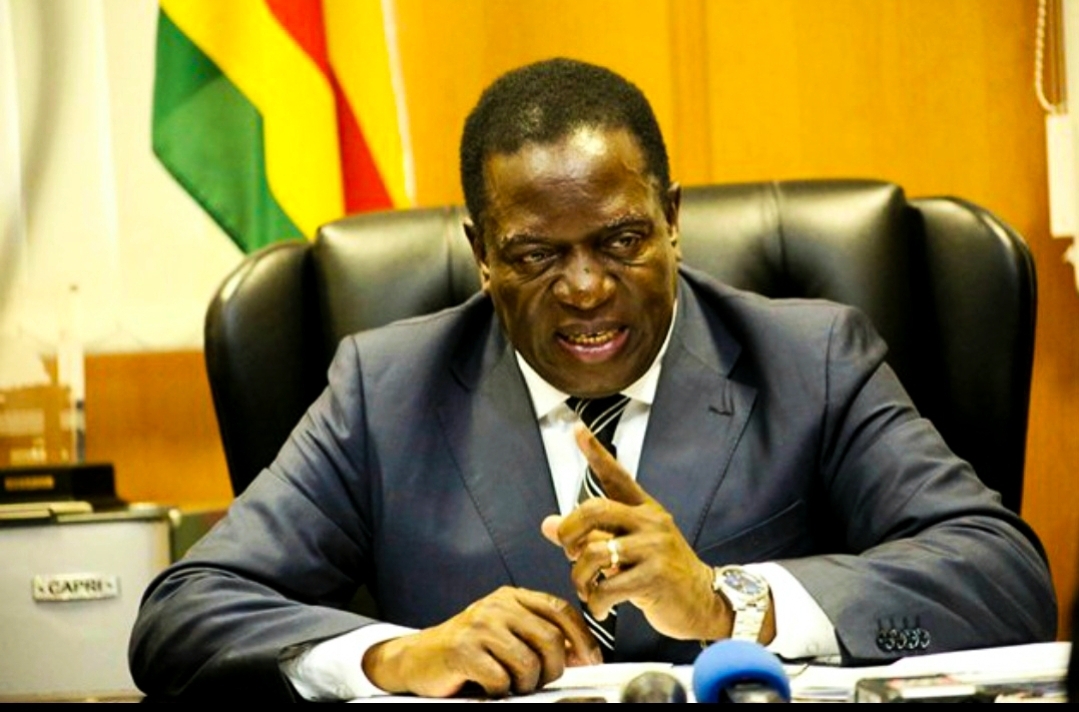
The Zimbabwean government has moved to explain President Emmerson Mnangagwa’s decision to halt negotiations on a proposed $350 million United States health support deal, saying the draft agreement threatened national sovereignty and long-term health security. The rejection resulted in the US withdrawal of aid critical for funding health programs.
Nick Mangwana, Secretary for Information, Publicity and Broadcasting Services, issued a detailed clarification following widespread debate over the rejected Memorandum of Understanding (MoU) under the US America First Global Health Strategy.
Mangwana confirmed that the President directed that negotiations be terminated after what he described as a “rigorous inter-ministerial review.” He stressed that Zimbabwe values its historical health cooperation with Washington, particularly through PEPFAR, but said the draft agreement failed the test of an equitable partnership. Mangwana said:
“However, a partnership, by its very definition, must be built on a foundation of mutual respect, transparency, and reciprocal benefit.”
According to the government, the proposed MoU offered hundreds of millions of dollars in funding in exchange for extensive access to Zimbabwe’s sensitive health data, including pathogen samples and epidemiological information. Authorities argue that the arrangement did not guarantee Zimbabwe access to vaccines, diagnostics, or treatments that might be developed from that shared data. Mangwana stated:
“In essence, our nation would provide the raw materials for scientific discovery without any assurance that the end products would be accessible to our people.”
He also pointed to concerns that the bilateral deal could undermine multilateral global health frameworks. Zimbabwe recently represented 50 African states in negotiations at the World Health Organisation, advocating that pathogen data be shared through the WHO’s Pathogen Access and Benefit-Sharing framework to ensure equitable benefit distribution. He said:
“To accept a bilateral arrangement that bypasses this multilateral mechanism would undermine the very solidarity that African nations have been advocating for.”
Mangwana insisted the decision was not anti-American but rooted in constitutional responsibility. He added:
“No foreign assistance, regardless of its monetary value, should compromise the sovereignty and independence of Zimbabwe as a nation.”
Harare says it remains open to future cooperation with the United States, but only on terms that preserve data sovereignty, ensure reciprocity, and protect Zimbabwe’s long-term health interests.
Leave a Reply