
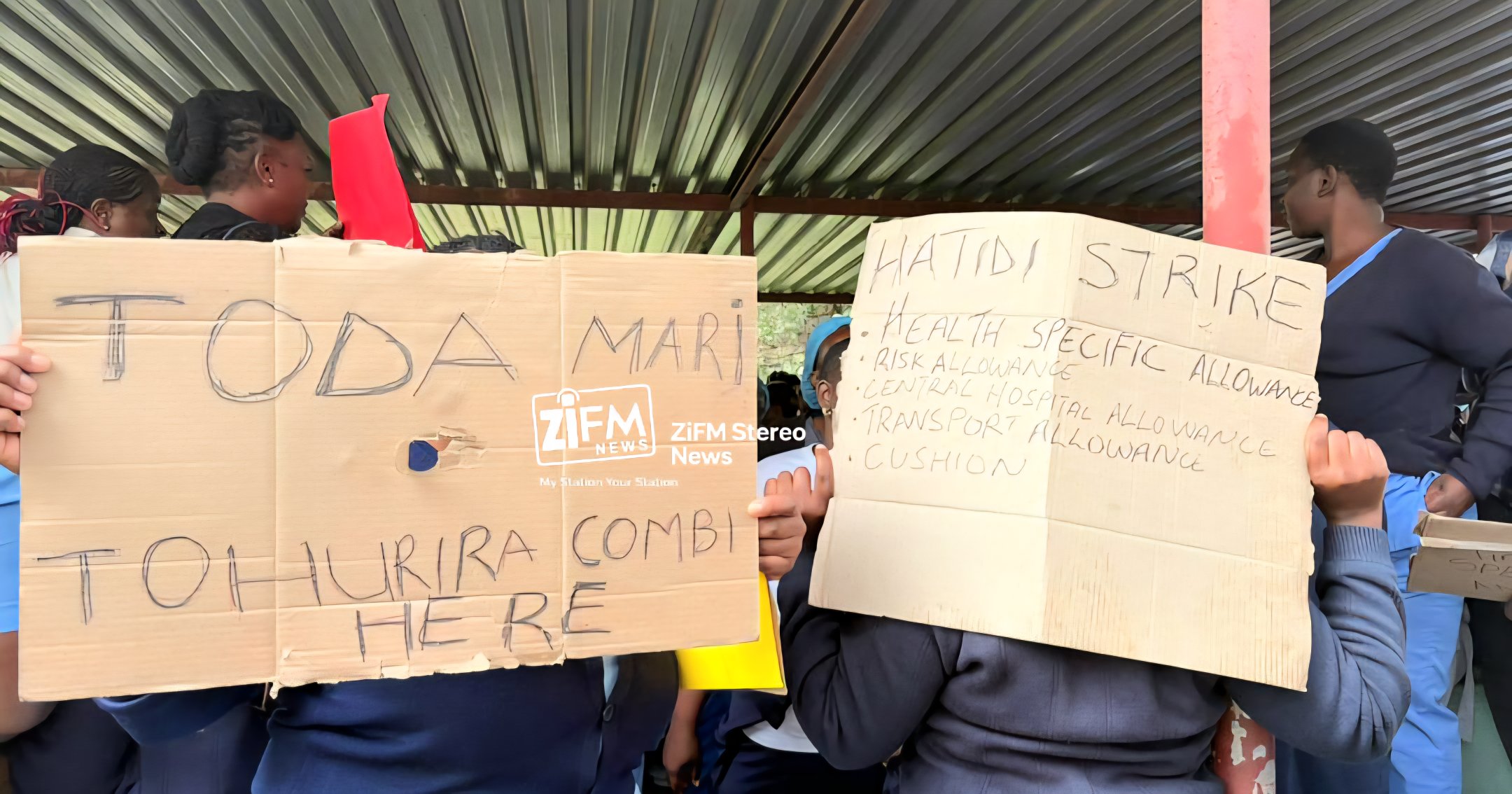
Mounting economic pressure triggered by rising fuel costs and global geopolitical tensions is now forcing urgent action from the Government of Zimbabwe, with authorities signalling a salary increase for civil servants as early as April.
Presidential spokesperson George Charamba struck a reassuring tone amid growing unrest, saying:
“PATIENCE, PATIENCE MACOMRADES: Good tidings are coming both on the fuel front and salaries for civil servants. Government is fully aware of the pressures its workforce faces, particularly in the wake of disturbances in the Middle East. A review of wages and salaries was due anyway; it is coming, certainly by this April!!!!!!”
His remarks come as nurses at Sally Mugabe Hospital downed tools, demanding urgent salary adjustments to match the rising cost of living. The strike reflects widening frustration across the public sector, where wages have struggled to keep pace with inflation and currency volatility.
The immediate trigger has been a sharp rise in fuel prices, driven partly by instability in the Middle East, a key global oil-producing region. The price hikes have rippled through Zimbabwe’s fragile economy, pushing up transport costs and basic goods, and intensifying pressure on already stretched incomes.
At the policy level, Public Service, Labour and Social Welfare Minister Edgar Moyo confirmed that government is finalising a long-awaited job evaluation exercise, which will form the backbone of the salary review framework. He said:
“The matter of salary negotiations rests with the National Joint Negotiating Council (NJNC)… Salaries are being worked around the job evaluation framework, which is about to be concluded.”
The exercise, the first of its kind since 1995, seeks to correct structural distortions in pay caused by years of economic shocks, including hyperinflation. Moyo explained:
“You remember that during and after the hyperinflation period… people were earning basically the same salary. That has to be undone so that recognition is given to seniority.”
However, expectations remain cautious. Government has already warned that the outcome will not be a blanket salary increase. As Moyo clarified:
“There are people whose grades went beyond what they should be and there are people whose grades are below what they should be. Those will naturally benefit.”
Moreover, Deputy Finance Minister, Kudakwashe Mnangagwa stated that the government was amongst top paying employers in Zimbabwe.
With civil servants pushing for a return to pre-2018 salary levels, around $540, and unions growing restless, the coming weeks will be critical. The intersection of global oil shocks, domestic fiscal constraints, and public sector demands now places Harare at a delicate economic crossroads.
Leave a Reply