
Zimbabwe’s gold sector is showing resilience, posting solid growth in the first quarter of 2026 despite a late policy wobble that briefly unsettled small-scale producers.
By Advent Shoko
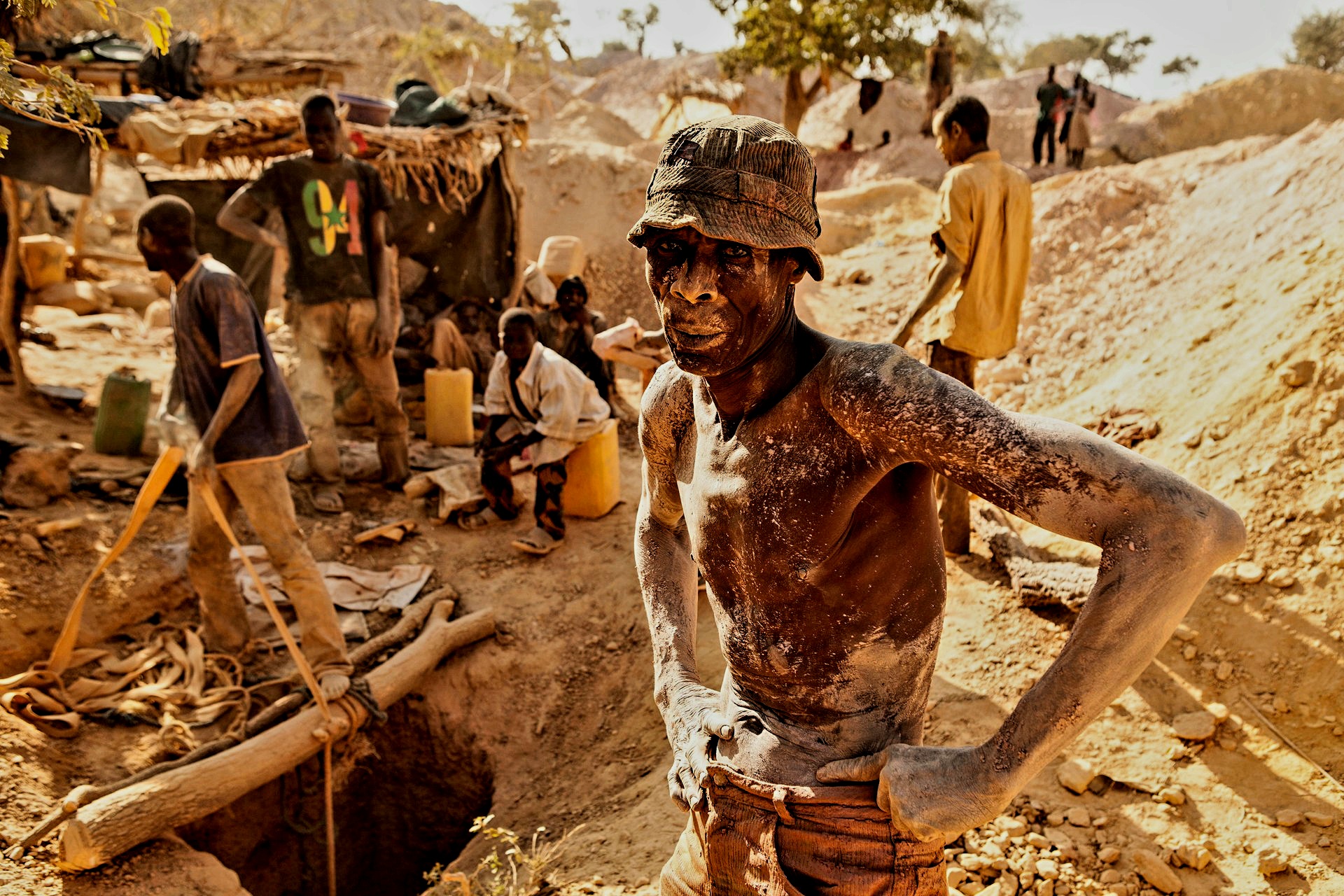
Gold deliveries rose 8.3% to 9.31 tonnes, up from 8.59 tonnes in the same period last year, according to Fidelity Gold Refinery (FGR). The figures highlight sustained momentum in mining, with artisanal and small-scale miners continuing to dominate output.
The segment contributed 6.51 tonnes, nearly 70% of total deliveries, while large-scale producers accounted for 2.8 tonnes.
However, March told a different story.
Deliveries from small-scale miners fell sharply, dropping close to 30% month-on-month after the Reserve Bank of Zimbabwe (RBZ) introduced a directive requiring 10% of gold payments to be made in local currency. The move disrupted supply chains and raised fears of increased leakages into informal markets.
Economist Enock Musara said:
“The 10% local currency component was meant to strengthen controls, but it had the opposite effect on small-scale miners, who felt disadvantaged.”
RBZ Governor Dr John Mushayavanhu confirmed the policy reversal, stating:
“We have put the directive on hold while we work on proper logistical systems for smooth operationalisation.”
Large-scale miners, meanwhile, provided stability. March deliveries from the segment rose 24% to 1.1 tonnes, supported by consistent operations and a 70% foreign currency retention threshold.
Gold remains Zimbabwe’s top export earner, contributing roughly a third of foreign currency inflows and underpinning the gold-backed ZiG currency introduced in April 2024. By December 2025, gold and foreign currency reserves had reached US$1.1 billion.
To sustain formal deliveries, FGR has lowered its 5% incentive bonus threshold from 20kg to 500g per month and expanded its buying network to Kadoma, Zvishavane and Gwanda.
With global bullion prices firm, Zimbabwe has an opportunity to scale export earnings, but only if policy stability holds.
Leave a Reply