
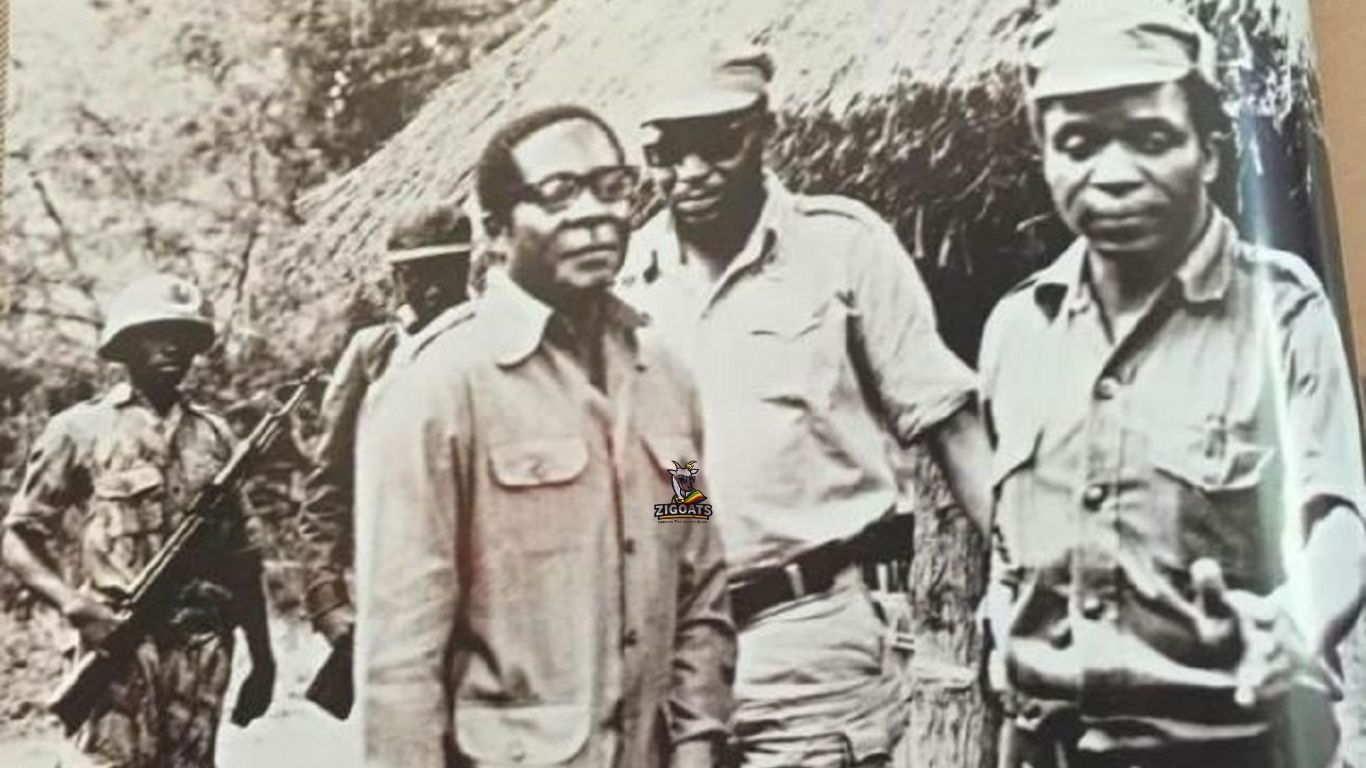
The Zimbabwean Moses – He Didn’t Enter The Promised Land
Controversy has long surrounded the death of General Josiah Magama Tongogara, a towering figure in Zimbabwe’s liberation war and the renowned commander of the Zimbabwe African National Liberation Army (ZANLA), who played a central role in the fight against Rhodesian rule. He was widely seen by many as an obvious candidate to help lead the country into independence. However, he never lived to see Zimbabwe free. Officially, he died in a car accident in Mozambique on 26 December 1979, soon after the Lancaster House peace talks concluded, just weeks before Zimbabwe’s independence.
But over the decades, this simple account has been accompanied by multiple competing stories, theories, and rumours, some rooted in history, others more in folklore.
The Official Account
According to the official liberation movement narrative and government records, Tongogara’s death was the result of a road traffic accident. He was travelling with comrades when their vehicle collided with an abandoned truck on a poorly marked road in Massinga District, Inhambane Province. A pathologist later confirmed the injuries were consistent with an accident, not foul play.
Historical Theories and Speculation
Many Zimbabweans, including some war veterans and political commentators, have long questioned whether Tongogara’s sudden death was simply an accident. One theory, voiced by former ZIPRA leader Dumiso Dabengwa, suggests that Tongogara was seen as a threat to political ambitions during the transition to independence. Dabengwa claimed that Tongogara favoured a united front under Joshua Nkomo rather than Robert Mugabe, a stance that may have unsettled powerful figures in ZANU’s leadership.
Other commentators have argued that Tongogara’s leadership qualities and influence over troops made him a formidable rival in post-independence politics, someone with the loyalty of fighters and the respect of political allies across factions. In that view, his absence cleared an obstacle to the consolidation of power by others.
Fay Chung and Liberation Struggle Dynamics
In her memoir Re-living the Second Chimurenga: Memories from the Liberation Struggle in Zimbabwe, educationist and veteran Fay Chung provides a candid look at internal tensions within ZANLA. Her account discusses episodes such as the Badza-Nhari rebellion, where resentment of the high command’s decisions, including alleged personal misconduct by senior leaders, fuelled internal dissent. These episodes illustrate some of the complex social dynamics and personal conflicts that shaped the struggle.
Scholarly analysis also notes that internal conflict and disciplinary actions under Tongogara’s high command left lasting marks on organisational cohesion. While Chung’s work doesn’t specifically link these incidents to Tongogara’s death or leadership prospects, it highlights the nuanced human factors at play within liberation ranks.
Spirit and Symbolism in Popular Memory
Some traditionalists and segments of Zimbabwe’s political culture embrace spiritual interpretations of the general’s untimely death. Rumours once circulated about spirit mediums and prophetic pronouncements, suggesting that strong spiritual forces dictated that he would not lead independent Zimbabwe. These claims, rooted in cultural beliefs rather than historical proof, reflect how deeply memories of Tongogara are woven into the nation’s collective consciousness. Watch the video below for more:
Leave a Reply