
By Advent Shoko | ZiGoats
Journalist Hopewell Chin’ono has defended people who received luxury cars from the late businessman Wicknell Chivayo, saying they should not be forced to return the vehicles simply because he may have died owing money to the dealers who supplied them.
Chin’ono’s comments come as some beneficiaries of Chivayo’s high-profile giveaways reportedly receive calls demanding the return of vehicles allegedly supplied on credit but not fully paid for.
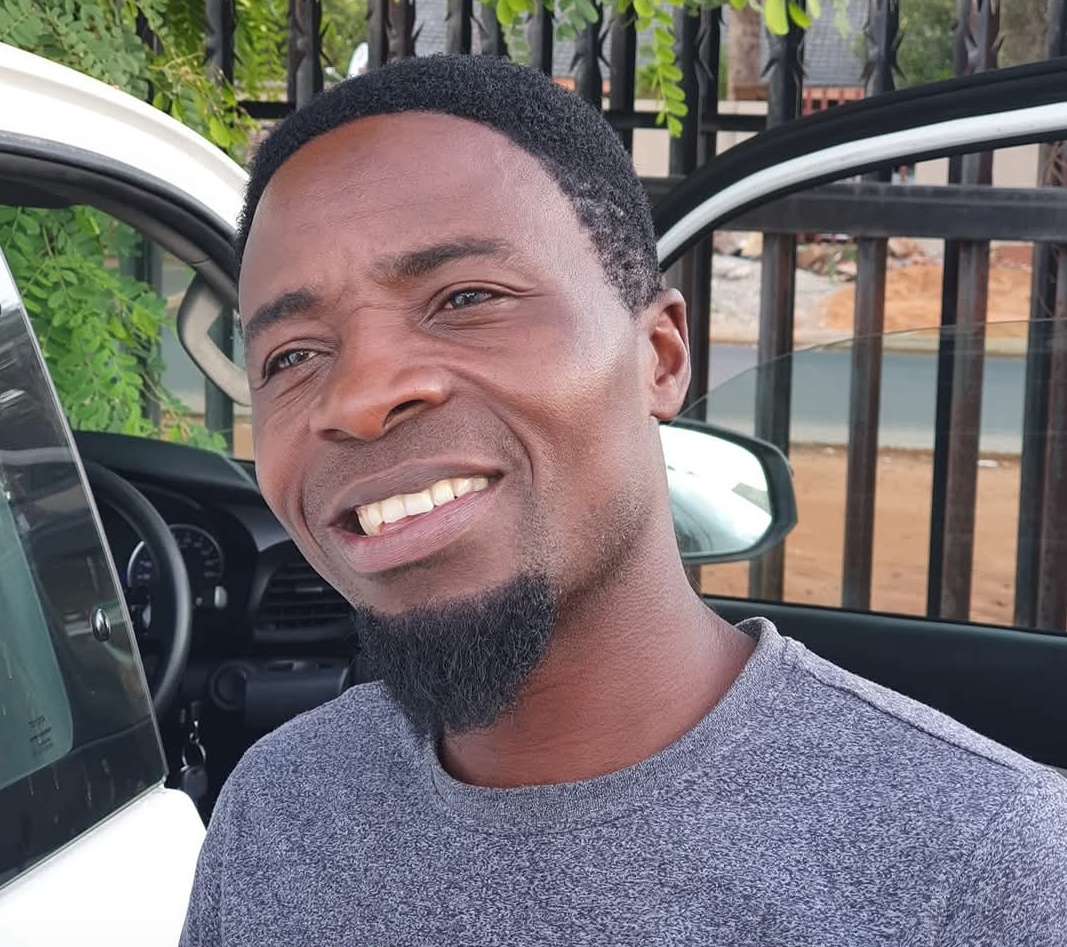
One of the latest beneficiaries to speak publicly is musician Taruvinga Manjokota, popularly known as Sugar Sugar, who told National FM that he had been instructed to return his luxury vehicle.
According to the broadcaster, the callers allegedly wanted the car returned by 10am because the late businessman had not finished paying for it.
The reports have raised a difficult question: if Chivayo gave someone a car but died before paying the dealer in full, who is responsible for the outstanding debt?
Chin’ono says the debt belongs to Chivayo, not the person who received the gift.
‘Keep The Car,’ Chin’ono Tells Sugar Sugar
In a statement responding to the reports, Chin’ono argued that a person who received a vehicle as a genuine gift and had it registered in their name should not automatically lose it because the original buyer died owing money.
“If the car was registered in Sugar Sugar’s name, it belongs to him. A gift becomes the property of the person who receives it once it is handed over, and in this case the car was even transferred into his name,” Chin’ono said.
He argued that any outstanding balance should be pursued against Chivayo’s estate rather than through demands directed at the beneficiaries.
“If Wicknell Chivayo still owed money on the car, that debt was his, not Sugar Sugar’s. The seller’s deal was with Chivayo. When a person dies, his debts do not follow the gifts he gave out. They go to his estate,” he said.
Chin’ono added that creditors should submit their claims to the executor responsible for administering Chivayo’s estate, where legitimate debts would be assessed and settled in accordance with the law.
He urged Sugar Sugar not to surrender the vehicle merely because someone called him.
“My advice to Sugar Sugar is based on law. Keep the car, do not hand it over to anyone who phones you, and if they persist, refer them to the law, and report whoever is making those calls to the police,” he said.
However, whether a particular vehicle can be recovered will depend on the ownership documents, the terms of the transaction and any enforceable rights the seller may have. Registration in a beneficiary’s name does not, by itself, resolve every possible dispute over ownership or unpaid financing.
How Chivayo’s Giveaways Created A Debt Question
The dispute comes against the backdrop of Chivayo’s highly publicised generosity, which made him one of Zimbabwe’s most talked-about businessmen.
He regularly announced cash donations, distributed luxury vehicles and supported individuals, musicians, sports personalities and religious organisations, particularly churches.
His publicly declared gifts reportedly exceeded US$50 million, while Chivayo himself claimed to have given away more than US$100 million.
But reports about unpaid vehicle purchases have raised questions about how some of those giveaways were financed.
According to ZimLive, three major Harare car dealers, Exquisite Cars, Enterprise Car Sales and Faramatsi Motors, were owed a combined US$5.1 million by Chivayo.
Faramatsi Motors was reportedly owed US$2.4 million, Exquisite Cars US$1.4 million and Enterprise Car Sales US$1.3 million.
Sources familiar with the arrangements told ZimLive that Chivayo often obtained vehicles on credit and settled the bills later, usually within three months.
“Most of his income came from the government. So these payments to the car dealers followed cycles of disbursements by the treasury, and the car dealers were comfortable with their arrangement,” one source told the publication.
The phrase “Go and see Victor” became familiar whenever Chivayo announced a vehicle giveaway. Victor Vikela owns Exquisite Cars.
Vikela declined to discuss the details, citing respect for Chivayo and their relationship. He disputed the reported figures as greatly exaggerated and said whatever was owed had “been written off”.
Faramatsi Motors owner Farai Matsika, who also owns Doves Funeral Services, said his company would not disclose details of client transactions.
“We respect and protect and abide by our client confidentiality rules. If you buy a car from Faramatsi Motors, you will not hear anything relating to the transaction. May his soul rest in eternal peace,” Matsika said.
Enterprise Car Sales owner Madzibaba Tendai Chipaga could not be reached for comment.
Who Pays When Chivayo’s Estate Is Administered?
Chivayo and his wife, Lucy Muteke, died in a helicopter crash near Marondera on 30 September.
His death has left the administration of his estate with the task of establishing his assets, business interests, outstanding debts and other financial obligations.
ZimLive also reported that South African dealers who released vehicles before receiving full payment were pursuing claims against his estate. Some vehicles were reportedly stranded at the Beitbridge border post because customs duty had not been fully paid.
The liabilities raise questions about how much of Chivayo’s highly publicised wealth was represented by fully paid-for assets and how much depended on outstanding payments and future income.
His companies, IMC Communications, Intratrek and TTM Global Medical Exports, held government contracts worth nearly US$1 billion, according to the report. The future of those businesses is now uncertain.
Chivayo was also believed to have completed the purchase of a property in England valued at US$12 million shortly before his death. He claimed to own properties in Dubai, Eswatini, Johannesburg and Cape Town.
His private jet, a Gulfstream G550 he valued at US$34 million, reportedly left Zimbabwe for Basel, Switzerland, after his death. The circumstances surrounding its movement remain unclear.
These assets, alongside the reported debts, will be important in establishing the overall position of his estate.
For beneficiaries such as Sugar Sugar, the immediate concern is whether they can keep gifts that have become part of their lives. For the dealers, it is whether outstanding payments can be recovered.
Chin’ono’s central argument is that the two issues should not be confused: receiving a gift does not automatically make someone responsible for the giver’s debts.
But the final outcome in any disputed transaction will depend on the evidence, the contractual arrangements and the applicable law, not simply on a telephone demand or a public argument.
Leave a Reply