
Zimbabwe’s premier trade showcase is doing more than attracting crowds, it is becoming a live test of whether foreign direct investment (FDI) is finally delivering real economic transformation.
By Advent Shoko
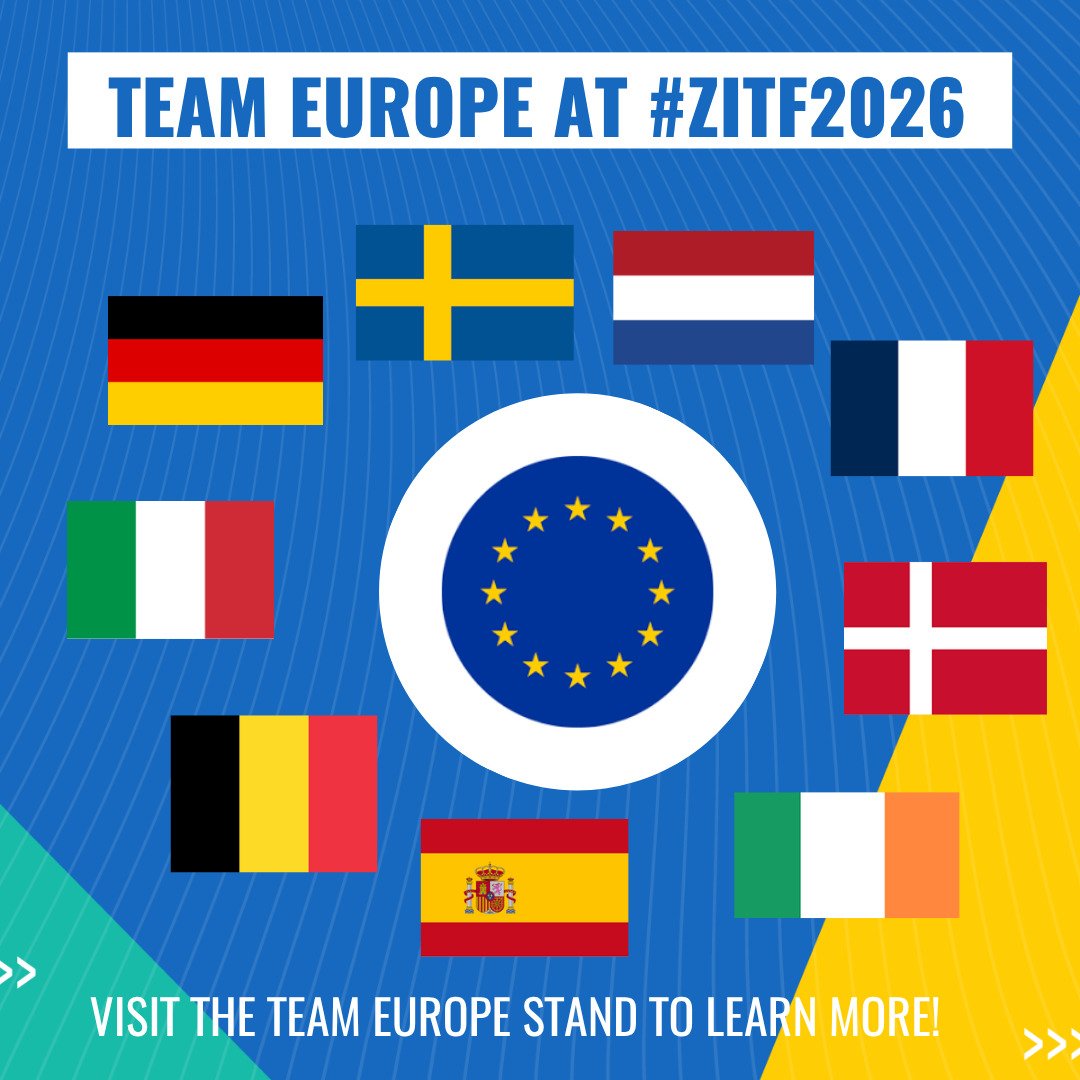
The 66th edition of the Zimbabwe International Trade Fair (ZITF), underway in Bulawayo, has drawn strong European participation under the “Team Europe” banner, alongside investors from over 30 countries. The theme, Connected Economies, Competitive Industries, reflects a country trying to reposition itself within global value chains.
But the deeper story lies beneath the exhibitions.
Zimbabwe has recorded a gradual rise in FDI inflows in recent years, particularly in mining, agriculture, and energy. Yet, questions persist around impact, whether these investments are creating jobs, building industries, and driving inclusive growth. ZITF 2026 is now serving as a platform to assess that gap between inflows and outcomes.
On the ground, policymakers are pushing for a shift in economic structure. Speaking at the Rural Industrialisation Indaba, Lands and Rural Development Minister Vangelis Peter Haritatos made the government’s position clear: “from policy to production.” He stressed that agriculture must move beyond raw output into value addition, warning that exporting commodities in their basic form limits earnings.
His example was stark, tobacco sold at auction fetches between US$4 and US$6 per kilogram, while processed products command significantly higher prices. The implication is clear: without industrialisation, Zimbabwe is exporting value along with its raw materials.
At the institutional level, investment agencies are aligning with this push. Zimbabwe Investment and Development Agency chief executive Tafadzwa Chinamo highlighted structural realities shaping investment outcomes:
“67% of Zimbabweans live in rural areas where agriculture drives livelihoods but faces low productivity, poor infrastructure and limited access to finance and markets.”
That statistic underscores where FDI must go if it is to be transformative.
Meanwhile, government is also seeking to integrate small businesses into industrial value chains. Women Affairs Minister Monica Mutsvangwa emphasised a practical approach:
“large companies should outsource specialised work to rural SMEs to drive industrialisation.”
Beyond economics, ZITF is also carrying diplomatic weight. Botswana President Duma Gideon Boko is in Zimbabwe on a State Visit and will officially open the fair, alongside bilateral engagements with President Emmerson Mnangagwa.
The message is layered: Zimbabwe is attracting capital, but now it must prove delivery.
As European partners engage and investors return to assess progress, ZITF 2026 may mark a turning point, from counting FDI inflows to measuring real economic impact.
Leave a Reply