
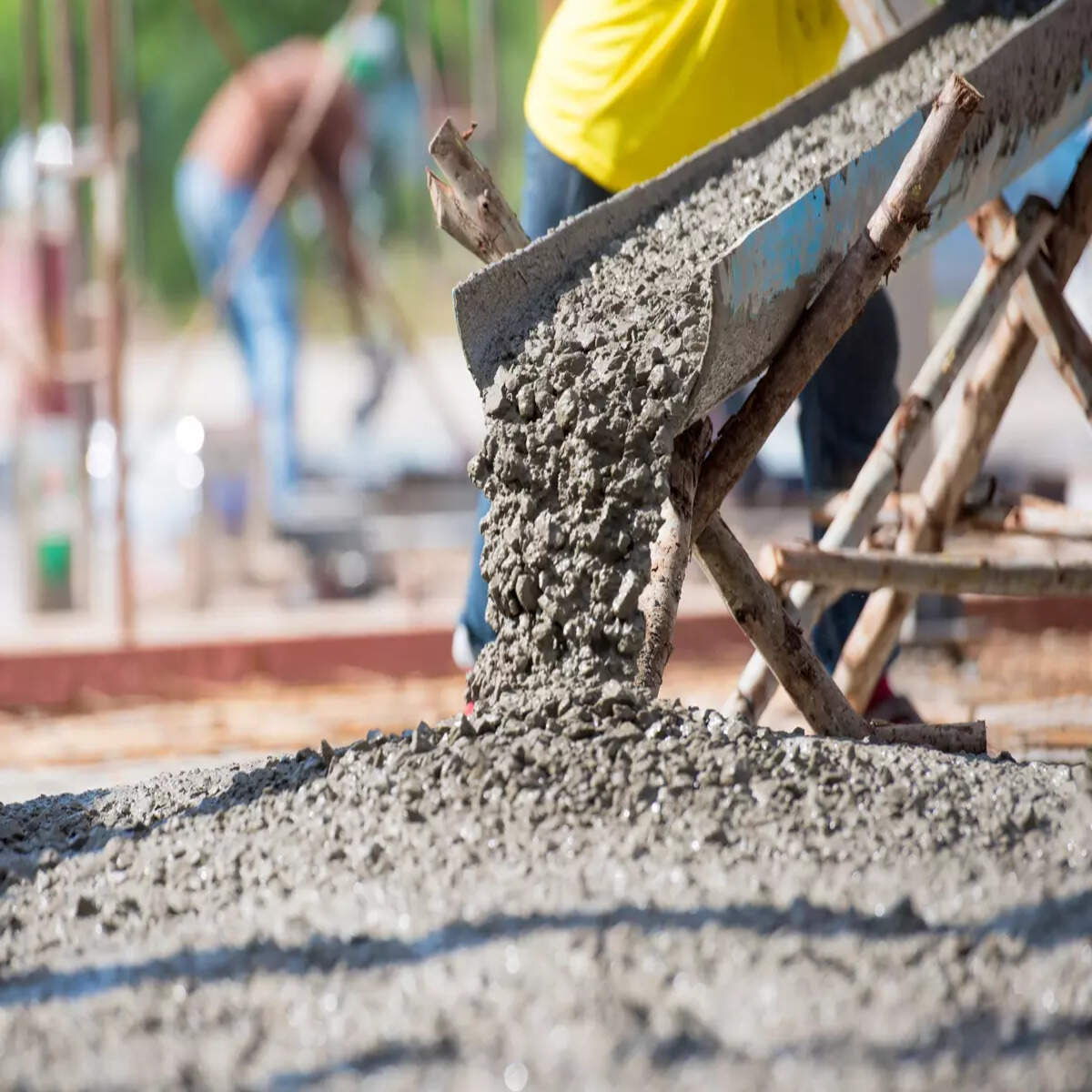
Zimbabwe’s cement industry is fast emerging as one of the clearest indicators that the country’s industrial push is shifting from policy talk to real capital on the ground.
The proposed US$700 million Magunje cement plant in Hurungwe, being developed by WIH-ZIM Construction Material Investments, is not just another investment announcement. It goes straight to the heart of Zimbabwe’s biggest structural problem: a growing construction economy without enough local industrial capacity to support it.
Mashonaland West Provincial Affairs and Devolution Minister Marian Chombo has described the project as transformational, and the numbers back her claim. Once operational, the plant is expected to produce 1,8 million tonnes of cement annually and create over 2 000 jobs, anchoring Hurungwe as a new industrial growth point.
From a development lens, this is devolution in action: taking heavy industry out of Harare, building regional value chains, and turning natural resources into long-term economic activity.
WHY CEMENT IS STRATEGIC FOR ZIMBABWE
Cement may not grab headlines like lithium or gold, but it underpins everything from housing and roads to mining and energy infrastructure.
Zimbabwe’s installed cement capacity sits at roughly 4 million tonnes per year, barely enough to meet domestic demand, which is growing at 6–8 percent annually. Housing shortages, road rehabilitation, dam construction and mine expansions have pushed demand well beyond supply.
The result has been a persistent shortfall of around 1,2 million tonnes per year, forcing the country to rely heavily on imports from South Africa, Zambia and Asia. That dependence drains the already scarce foreign currency and inflates construction costs.
Projects like Magunje are therefore not optional; they are strategic.
DANGOTE’S RETURN ADDS WEIGHT TO THE SECTOR
The renewed momentum in Zimbabwe’s cement sector is not happening in isolation.
In November 2025, Africa’s richest man Aliko Dangote returned to Zimbabwe and signed a Memorandum of Understanding with President Emmerson Mnangagwa for over US$1 billion in investments across cement production, power generation, coal mining, fertiliser manufacturing and fuel infrastructure.
Central to the deal is a proposed 2 000km-plus fuel pipeline from Walvis Bay in Namibia, through Botswana, to Bulawayo, a project that could significantly reduce fuel and logistics costs for heavy industries, including cement manufacturing.
Dangote’s return is significant because it follows failed investment attempts in 2015 and 2018, when talks stalled due to bureaucracy, policy uncertainty alleged corruption, and weak guarantees. This time, Dangote cited improved transparency, greater stability and a more predictable business environment as reasons for his renewed confidence.
The investment model being proposed is integrated: cement production linked to coal mining for power generation, lowering costs and reducing import reliance. For Zimbabwe’s cement industry, this is a validation of demand fundamentals and a strong signal to other global players.
WHO IS ALREADY IN ZIMBABWE’S CEMENT MARKET?
Zimbabwe’s cement sector is established but strained.
PPC Zimbabwe, anchored by the Colleen Bawn plant, remains a key supplier with strong regional backing. Lafarge Cement Zimbabwe, part of the global Holcim group, has long been in the market but has faced challenges linked to ageing equipment, power costs and currency volatility.
Several Chinese-backed grinding plants and smaller producers have entered the space, but many have struggled to scale fast enough to match demand growth. Energy reliability, transport costs and capital constraints have limited expansion.
The result is a market where consumption has consistently outpaced investment.
OPPORTUNITIES — AND THE REAL BOTTLENECKS
The opportunity is clear:
- Rising domestic cement demand
- Strong regional export potential
- Abundant limestone deposits
- Infrastructure-led growth
But challenges remain. Power supply, rail and road logistics, environmental compliance, currency settlement and slow project execution still weigh on investor confidence.
THE BIG PICTURE
If the Magunje cement project breaks ground in 2026 as planned, and if large-scale investments like Dangote’s materialise, Zimbabwe’s cement industry could shift from import dependence to regional competitiveness within the next decade.
For a country rebuilding roads, cities and mines at the same time, cement is not just a construction input. It is an industrial foundation.
And right now, that foundation is finally starting to take shape.
ZiGoats will continue tracking cement investments, industrial capacity and the real economic impact behind Zimbabwe’s industrial push.
Leave a Reply