
By Advent Shoko | ZiGoats
Zimbabweans living abroad, particularly in the United Kingdom (UK), have been urged to be very cautious when buying property, appointing relatives to handle transactions and managing family estates back home, as distance and unfamiliar legal processes can leave them exposed to costly disputes.
The warning highlights a growing challenge for diaspora families whose financial commitments span two countries, from building homes in Zimbabwe to raising children and pursuing careers in Britain.

Tulia Zimbabwe and Tulia Group CIC chief executive Rumbidzai Bvunzawabaya says cases involving property disputes, questionable powers of attorney, inheritance problems and documents rejected across borders show why diaspora communities need more coordinated professional support.
“For millions of Zimbabweans living abroad, home is no longer a single place. It is a life divided between countries,” Bvunzawabaya said.
She described families sending money home to buy property, build houses and support relatives, often while relying on people in Zimbabwe to handle important legal and administrative processes.
But that trust can carry risks when transactions are not properly documented or the people handling them exceed their authority.
When A Dream Home Becomes A Legal Battle
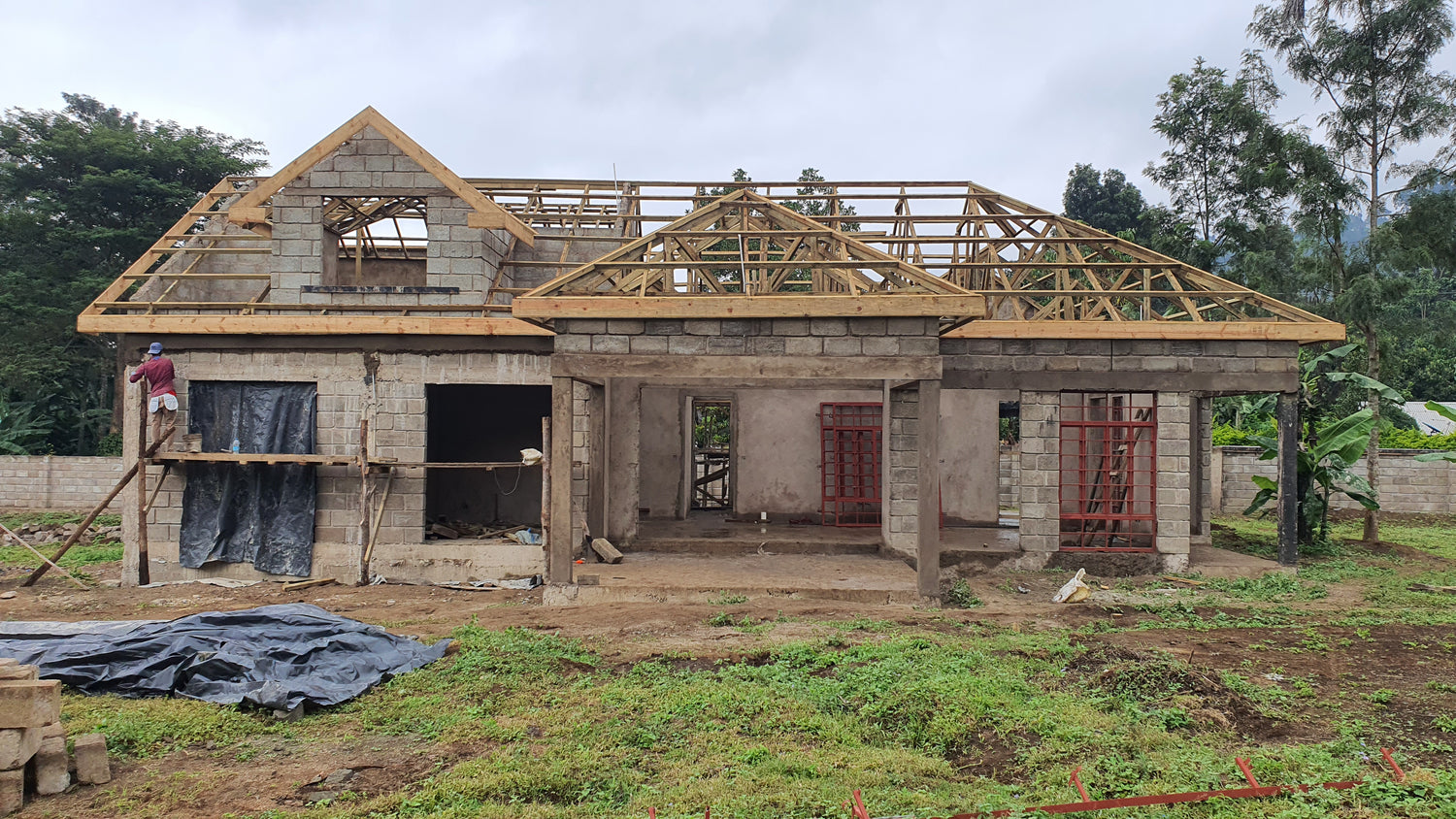
For a Zimbabwean nurse working in the UK, buying a stand or building a house back home may represent years of savings and sacrifice.
Yet problems can arise when the buyer relies on a relative or representative to complete the paperwork without adequate checks.
Bvunzawabaya cited cases in which people investing in property from abroad discovered complications only after returning to Zimbabwe, including situations where ownership had been transferred into someone else’s name.
Such disputes can be difficult to resolve when the owner is thousands of kilometres away and must navigate unfamiliar procedures, obtain documents and establish what happened to the property.
Powers of attorney, legal documents authorising another person to act on someone’s behalf, also require careful handling. Their wording, validity and use can have significant consequences for property transactions and other legal matters.
The central lesson for diaspora buyers is that sending money and trusting a relative are not substitutes for verifying ownership, checking transaction documents and obtaining independent legal advice.
The problem goes beyond property
Property Is Only One Part Of The Challenge.
Diaspora families may also face difficulties when dealing with inheritance, estate administration, immigration applications and documents that must be recognised or authenticated in another country.
A document accepted by one institution may require additional certification or processing before it can be used elsewhere. Requirements also depend on the type of document, the relevant authorities and the purpose for which it is needed.
These complications can delay important decisions, increase costs and place additional pressure on families already balancing responsibilities across borders.
“These are not theoretical questions. They are the realities of modern Zimbabwean families,” Bvunzawabaya said.
She argued that the lives of Zimbabweans have become increasingly international, while the professional support available to them has not always kept pace.
What UK-based Zimbabweans Should Do
For those buying property or managing family affairs from Britain, the risks underline the importance of taking precautions before money changes hands or legal documents are signed.
Buyers should independently verify property ownership and the status of a transaction, keep clear records of payments, and ensure that any representative has properly defined authority.
They should also seek advice from qualified professionals familiar with the relevant Zimbabwean legal requirements rather than assuming that arrangements made informally within a family will be sufficient.
Where a matter involves both countries, advice may be needed on each side. Immigration decisions, inheritance matters and document authentication follow different rules and should be assessed individually.
Tulia Zimbabwe has introduced a 12-month support programme intended to assist diaspora citizens dealing with complex cross-border challenges.
The broader issue, however, extends beyond any single service provider. As more Zimbabweans build lives abroad while investing in property and supporting relatives at home, protecting those interests requires reliable documentation, independent verification and access to appropriate professional advice.
For families putting years of hard-earned savings into a home in Zimbabwe, resolving a dispute after the damage has been done can be far more difficult than taking precautions before the transaction begins.
Leave a Reply