
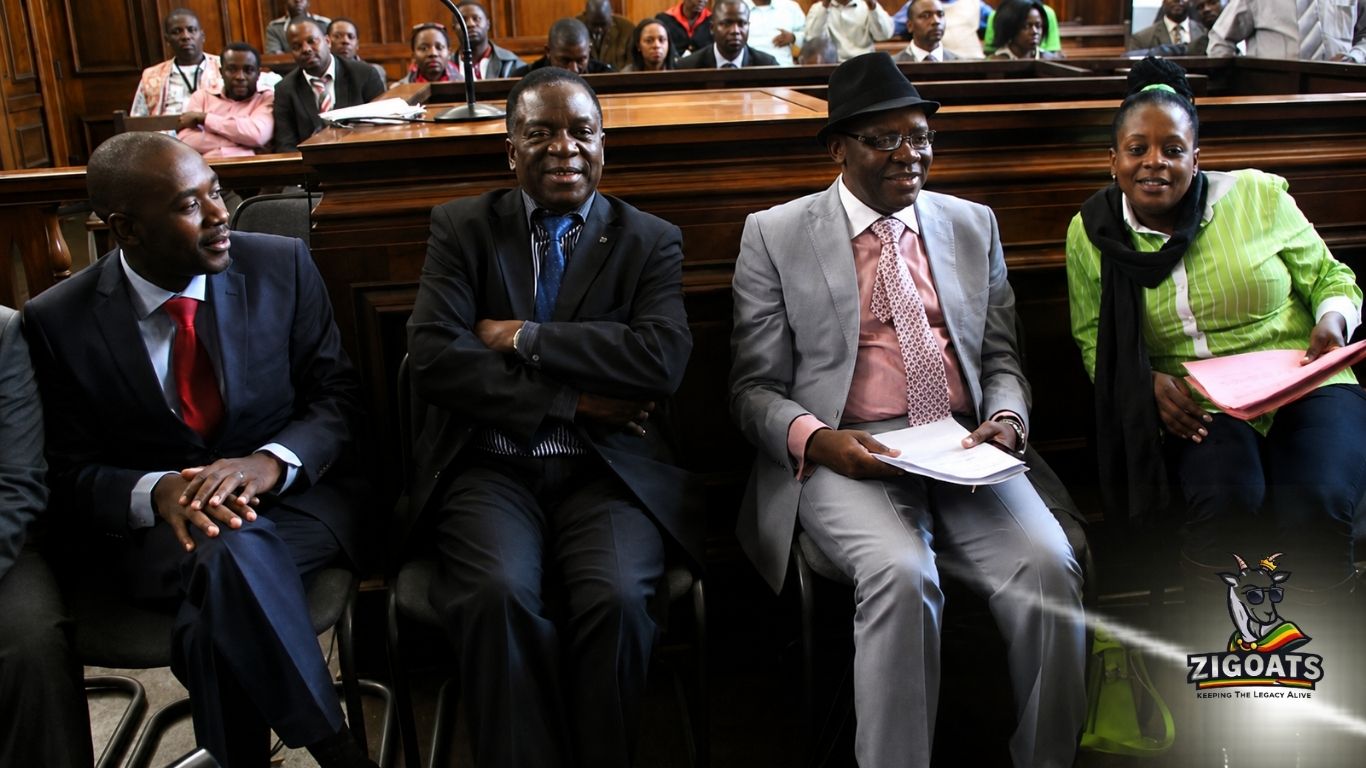
Former Citizens Coalition for Change (CCC) leader Nelson Chamisa has expressed disbelief at claims by some Zimbabweans that he is secretly working with President Emmerson Mnangagwa and the ruling ZANU PF party, describing such allegations as illogical and inconsistent with recent political developments.
By Advent Shoko
Chamisa, who returned to active politics in early 2026 after a self-imposed two-year sabbatical, has continued to face criticism from sections of the opposition movement. Some of his detractors, including former allies Jealousy Mawarire and Hopewell Chin’ono, have accused him of abandoning the democratic struggle at a critical moment and have questioned his political decisions during and after Zimbabwe’s disputed 2023 harmonised elections.
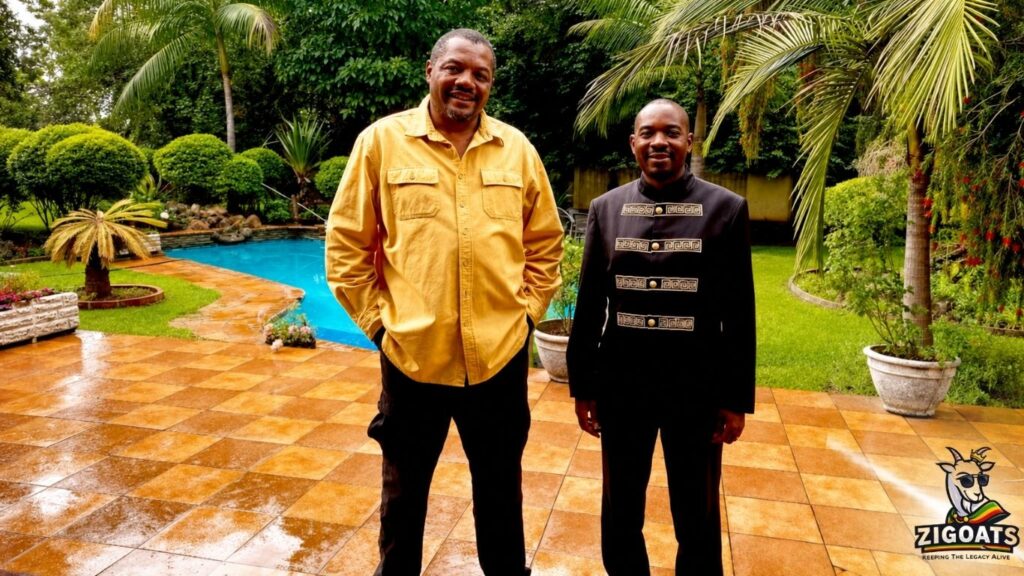
The accusations have persisted despite Chamisa positioning himself as one of Mnangagwa’s fiercest political opponents over the past several years.
Opposition Criticism Following Sabbatical
Questions surrounding Chamisa’s political strategy intensified shortly before the elections and persisted after he stepped away from frontline politics following the turbulent period that followed the 2023 elections. Strategic ambiguity and “Bereka mwana” approaches which led to the loss of some senior leaders in the opposition including Tendai Biti, attracted criticism. Some say that is when the opposition became a divided force ahead of crucial elections.
After elections, opposition supporters were demanding stronger resistance to election results that they believed did not reflect the will of the people. There was also a wave of recalls that saw several CCC Members of Parliament and councillors removed from office by self-proclaimed party interim secretary-general Sengezo Tshabangu.
Although Chamisa repeatedly challenged Tshabangu’s authority and legitimacy, he eventually resigned from the CCC, arguing that the party had been infiltrated and compromised.
The decision divided opinion among opposition supporters.
While some sympathised with his position and viewed the recalls as part of a broader effort to weaken the opposition, others accused him of retreating at a crucial moment. Critics argued that his departure created a political vacuum that ultimately benefited ZANU PF.
The recalls triggered a series of by-elections, many of which were won by the ruling party. Those victories helped ZANU PF strengthen its parliamentary position and move closer to the numbers required to push through major constitutional changes.
Debate Over Constitutional Amendment Bill
The political debate has since shifted to the controversial Constitutional Amendment Bill 3 of 2026, commonly referred to as CAB3.
Opponents of the proposed legislation argue that it could significantly alter Zimbabwe’s democratic architecture by shifting key political processes away from direct public participation.
Among the concerns raised by critics are proposals that could give Parliament a greater role in selecting future presidents under certain circumstances, while also extending terms of office for elected officials, including Members of Parliament, councillors and potentially the presidency.
Supporters of the proposals argue that the reforms are intended to promote stability and continuity in governance, while critics see them as a threat to democratic accountability.
The debate has become even more significant given widespread speculation that Chamisa may contest future national elections.
Chamisa Fires Back
Responding to allegations that he has been secretly working with President Emmerson Mnangagwa and ZANU PF, Chamisa issued a strongly worded social media statement in which he questioned the logic behind the claims.
The former opposition leader argued that several developments in Zimbabwe’s political landscape would not have occurred if he were genuinely aligned with the ruling establishment.
“GET YOUR HEADS EXAMINED…Some people really amaze me.
Do you honestly believe that if the Chamisa you constantly gaslight and vilify had agreed to be co-opted by ED, there would have been any need to hire that Chabangu as the manufactured face of a government-sponsored opposition?
Do you think they would have needed CAB3 to deal with the fallout from a disputed presidential election? Would CAB3 have been necessary?”
Chamisa’s remarks appeared to reference the controversial rise of Sengezo Tshabangu, whose recalls of CCC legislators dramatically altered the composition of Parliament and reshaped Zimbabwe’s opposition politics.
The former CCC leader suggested that those events alone should cast doubt on claims that he had been working in concert with the government.
He went on to question why vast resources would allegedly be deployed against him if he were part of the same political project.
“Do you think they would have spent billions in taxpayers’ money buying off individuals, organizations, and institutions, including some within the region, to discredit and destroy the very person they were supposedly working with?
Why spend billions of taxpayers’ dollars buying influence, recruiting allies, mobilizing institutions and giving cars, to destroy the credibility of someone who was supposedly on your side?
Why would an ally cause you sleepless nights?“
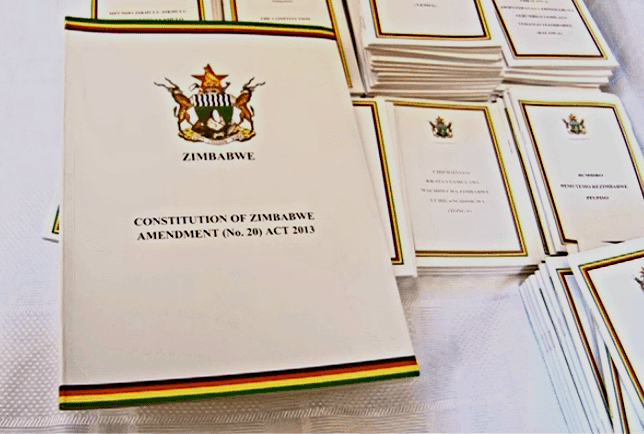
For years, Chamisa has maintained that state institutions and political actors linked to the ruling party have actively sought to weaken his influence and fragment the opposition movement. His latest comments appeared to reinforce that long-held position.
The opposition figure concluded his statement by insisting that the relationship between himself and Mnangagwa’s administration is fundamentally incompatible.
“Give us a break! Kwanai! Miswai! The logic simply does not add up.
If someone is part of your project, you do not expend enormous resources undermining, isolating, and dismantling them. You do not wage a sustained campaign against an ally. The very existence of these efforts points to entrenched animosity.
We’re chalk and cheese, oil and water. We can’t mix! And I’m proud of that record! #TheNew”
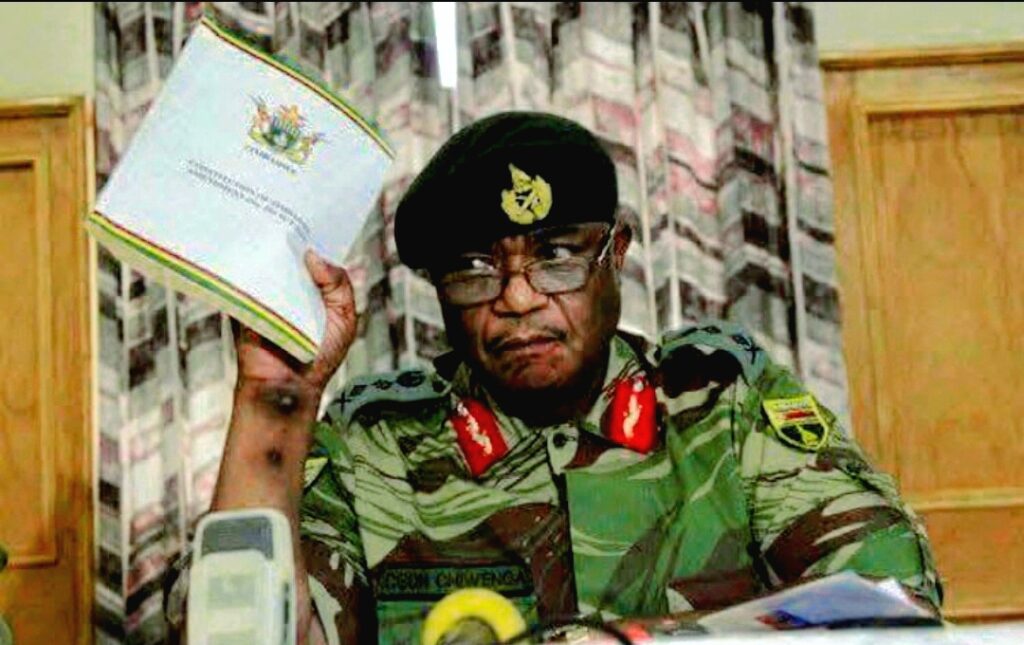
But some analysts believe CAB3 was not designed specifically to deal with the “Chamisa threat.” They claim it was meant to address succession disputes within the ruling party. Hopewell Chin’ono claims CAB3 was meant to ensure Vice President Constantino Chiwenga does not become president. He views the Bill as a “blow to Chiwenga’s presidential ambitions.”
Leave a Reply