
Banks Cashed In For Years – Now RBZ Is Forcing A Reset
Zimbabwe’s banks are losing a lucrative revenue stream after the RBZ banned balance enquiry fees and capped charges, but the move exposes years of overcharging customers for basic services.
Harare – For years, Zimbabwean banks quietly built a goldmine out of something that should have cost nothing: access to your own money.
By Advent Shoko
Checking your balance? Charged. Depositing cash? Charged. Withdrawing your own funds? Charged again.
That era is now under pressure.
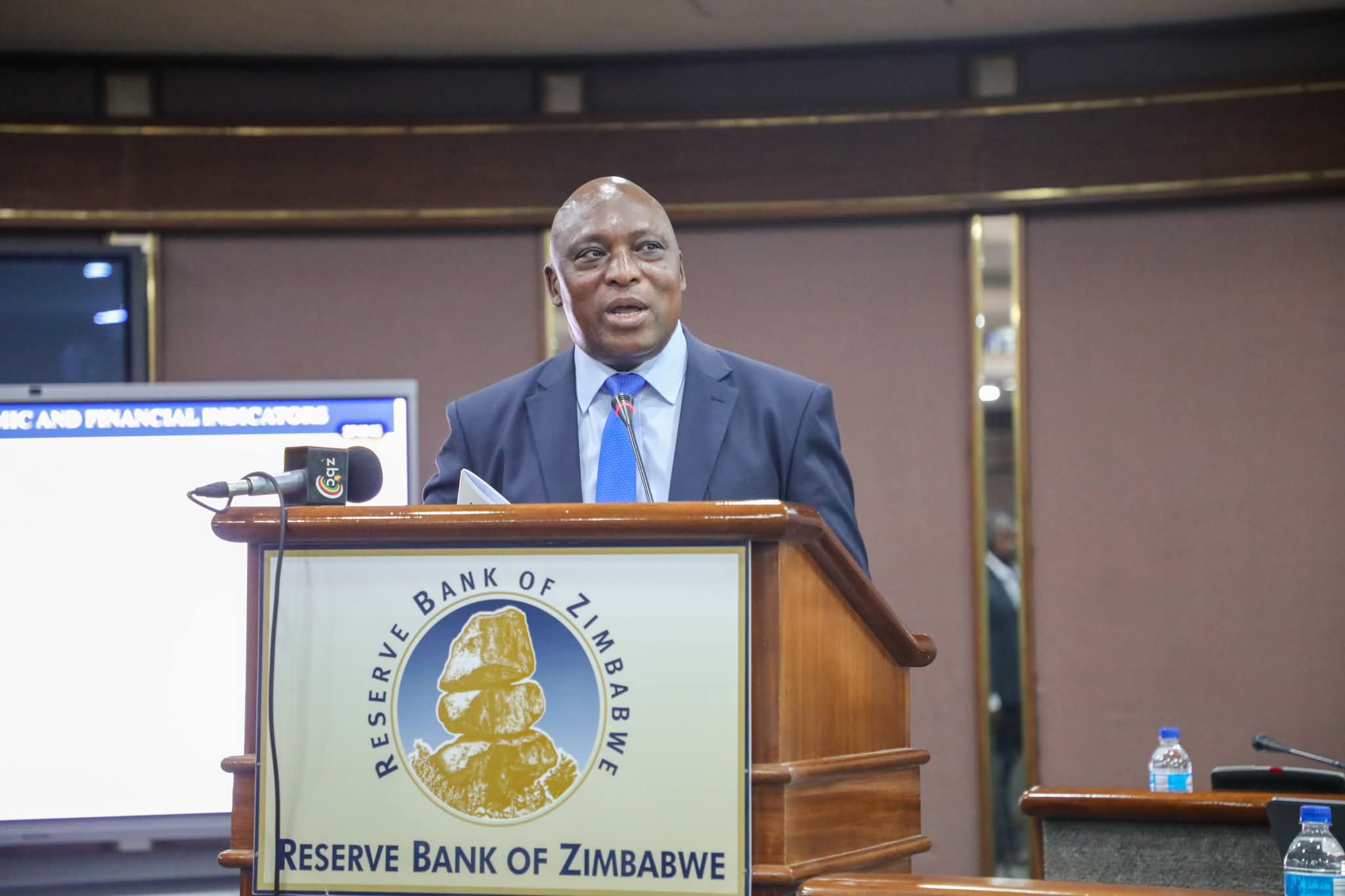
In February 2026, the Reserve Bank of Zimbabwe (RBZ) stepped in decisively, scrapping balance enquiry fees, removing cash deposit charges, and capping transaction costs across the system. Governor John Mushayavanhu’s directive, effective 31 March, is being framed as a financial inclusion measure, but it also shines a harsh light on the banking sector’s long-standing reliance on easy money.
The truth is simple: banks made billions not by lending, but by charging.
Latest financials show that between 67% and 80% of bank income came from fees, commissions, and transaction charges. At CBZ, non-interest income doubled earnings from actual lending. Across the sector, the pattern repeats, profits driven less by supporting the economy, and more by clipping customers at every turn.
That model is now cracking.
The RBZ’s intervention effectively dismantles a revenue stream built on high-volume, low-effort charges. For customers, it’s relief. For banks, it’s a wake-up call.
For years, institutions avoided the harder job, lending into the real economy, while deposits sat idle or were parked in low-risk government securities. On average, banks lent out just 44 cents for every dollar deposited. The rest generated passive returns, while customers paid the price through fees.
Critics argue this was less about prudence and more about convenience, and, at times, greed.
Charging someone to check their own balance is difficult to defend in any modern financial system.
Now, with fee income squeezed, banks are being pushed back to basics: lend, innovate, and compete. The informal economy, long ignored, is emerging as the next frontier. Meanwhile, loan apps have already filled the gap, charging as much as 40% interest in two weeks, proof that demand for credit is strong.
The RBZ’s move may hurt bank profits in the short term. But it forces a necessary shift, from charging customers to serving them.
And for millions of Zimbabweans who’ve paid to access their own money, that shift is long overdue.
Leave a Reply