
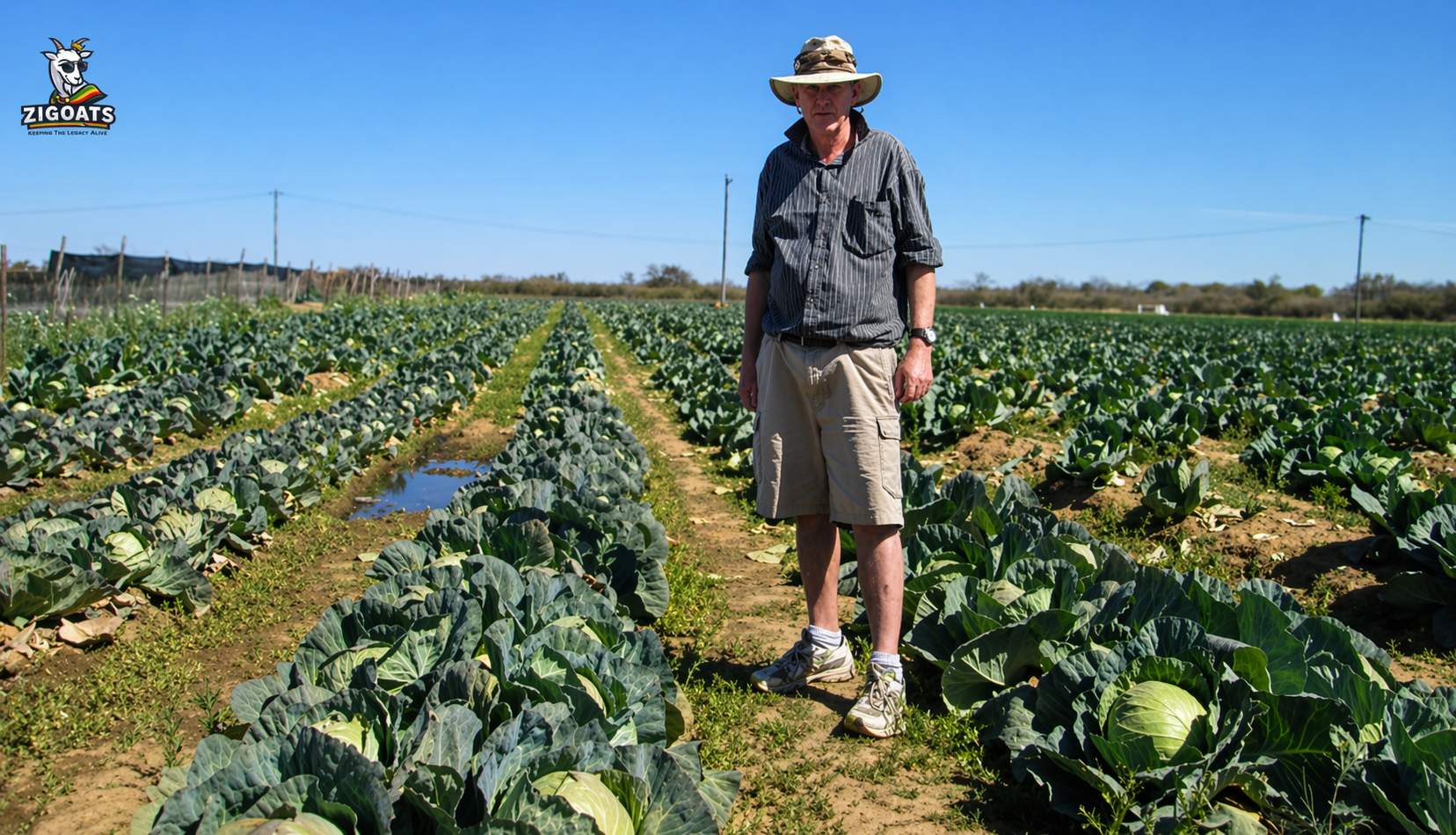
Zimbabwe’s push to restore order in land use is taking a decisive turn, with Lands and Rural Development Minister Vangelis Haritatos unveiling plans for a sweeping 50-year national masterplan designed to stop the chaotic spread of settlements and protect prime agricultural land.
By Advent Shoko
Speaking on the sidelines of the Zimbabwe International Trade Fair in Bulawayo, Haritatos made it clear that the current trajectory is unsustainable. He said:
“What we see is settlements haphazardly coming up, fuel stations being built on prime agricultural land… We need to bring everything into a systematic way of organisation.
A 50-Year Vision To Fix A Growing Crisis
At the heart of the proposal is a strict, nationwide land classification system, a “border-to-border” framework that will determine exactly how land across Zimbabwe should be used. Haritatos said:
“The masterplan will be from border to border… we must think not just for the next 10 years, but for the next 50 years.”
The long-term approach reflects growing concern within government and among analysts that Zimbabwe is steadily losing fertile land to unregulated development, a trend that threatens both food security and investment confidence.
Why Government Is Moving Now
Pressure has been building as illegal settlements, informal business centres and poorly planned infrastructure continue to spread, often on land historically reserved for agriculture.
Without a unified spatial plan, enforcement has remained weak, creating uncertainty for investors and opening the door to land disputes.
Officials now see the masterplan as a reset tool, one that aligns agriculture, urban development and industry under a single national framework.
New Planning Authority And Enforcement Push
A key shift will be institutional. The Ministry plans to establish a dedicated national planning department to drive implementation and enforce compliance. Haritatos said:
“We are going to have a proper department of planning within the Ministry of Lands. We need planners who can plan for generations to come.”
The initiative will also bring together local authorities and other government arms to ensure coordinated decision-making, a long-standing gap in Zimbabwe’s land governance system.
Vertical Cities, Protected Farmland
Another major pillar is a shift in how cities grow. He ssid:
“We do not want to be building horizontally. We want to be building vertically so we can ensure that we save good agricultural land.”
This signals a move toward compact urban development, aimed at reducing urban sprawl while preserving productive farmland for agriculture.
What It Means For Agriculture And Investment
The masterplan is expected to introduce agro-industrial zoning, linking farming areas with processing, storage and markets to strengthen value chains.
For investors, this could bring long-awaited clarity.
A structured land-use system, officials argue, will:
- Reduce disputes
- Improve land allocation efficiency
- Boost confidence in agriculture, infrastructure and real estate
Government says initial documentation will be ready within three months, with the full masterplan expected within six months.
If implemented effectively, the strategy could mark one of Zimbabwe’s most significant governance interventions in land management since land reform, shifting the focus from redistribution to long-term sustainability and productivity.
Leave a Reply