
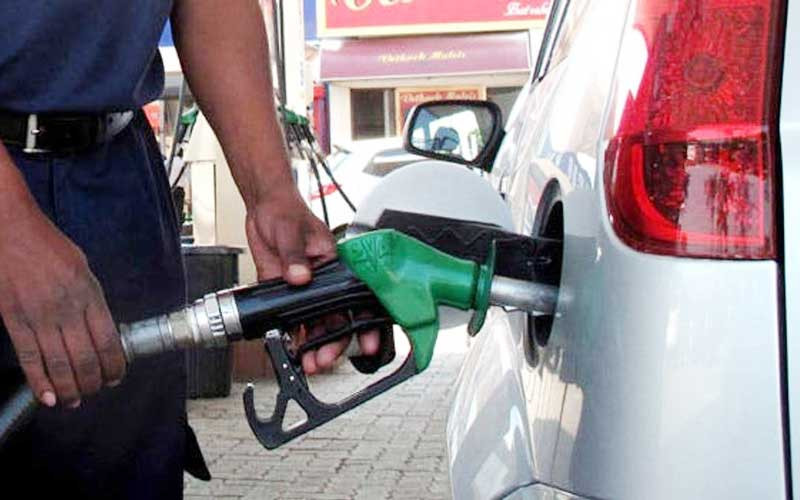
Zimbabwean consumers finally got breathing space last week after the Government cut fuel prices, easing pressure on households and businesses battered by weeks of global oil volatility linked to the US-Israeli war on Iran and tensions in the Middle East.
By Advent Shoko
The Zimbabwe Energy Regulatory Authority (ZERA) announced that petrol (E20) is now selling at US$2.08 per litre, down from US$2.23, while diesel dropped slightly to US$2.09. The reduction follows a strategic shift in fuel composition and broader government intervention to stabilise the market. ZERA said:
“Since the last few months when volatility of fuel supply began, Government prioritised security of supplies through market-sensitive pricing and reduction of taxes to cushion consumers and the economy at large.”
The regulator also pointed to increased ethanol blending, from E5 to E20, as a key cost-cutting measure. By raising the ethanol share to 20 percent, Zimbabwe reduces reliance on imported fuel, easing pressure on foreign currency reserves while insulating the economy from global price shocks.
Globally, fuel markets have shown signs of cooling after earlier spikes triggered by conflict involving the United States, Israel, and Iran. Temporary reopening of the Strait of Hormuz, a critical oil transit route, helped push prices down to around US$90 per barrel, although fresh tensions continue to inject uncertainty.
Presidential spokesperson George Charamba confirmed the price adjustment was approved at the highest level, saying:
“His Excellency the President has sanctioned a downward fuel review, with petrol enjoying the larger reduction.”
Authorities have also moved to calm public fears over shortages. ZERA assured:
“Members of the public are advised not to engage in any panic buying or hoarding as the country is assured of adequate stocks for a period spanning over three months.”
However, the policy is not without critics. Social justice advocate Tendai Ruben Mbofana argues the E20 blend may actually cost more in real terms, claiming:
“Pure unleaded petrol is significantly cheaper than the blend we are forced to buy.”
As government balances energy security with affordability, the fuel price debate is shifting from relief to deeper questions about efficiency, transparency, and long-term economic impact.
Leave a Reply