
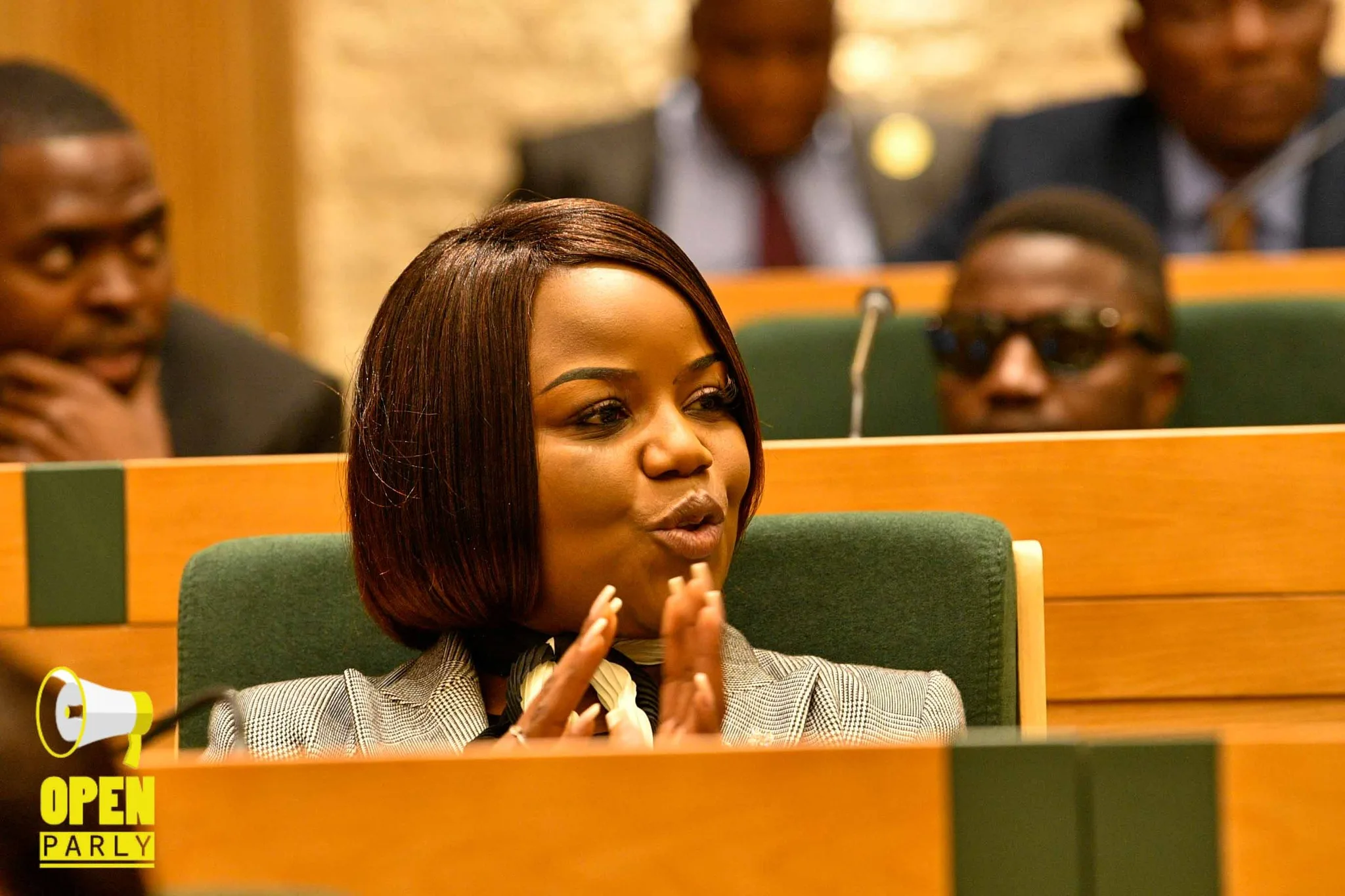
Prominent lawyer and opposition figure Fadzayi Mahere has launched a sharp attack on Zimbabwe’s proposed Constitutional Amendment Bill No. 3, describing it as an “insidious attempt to re-introduce the Mugabe clauses” and warning that it risks reversing key democratic safeguards introduced in the 2013 Constitution.
By Advent Shoko
Speaking to SABC News shortly after a chaotic public hearing at City Sports Centre in Harare, Mahere said the proposed changes threaten the principle of term limits that Zimbabweans deliberately enshrined more than a decade ago. Mahere said:
“The main reason Zimbabweans are opposed to the proposed constitutional amendments is the insidious attempt to re-introduce the Mugabe Clauses.”
She argued that the 2013 Constitution was specifically crafted to prevent any president from remaining in office indefinitely, a direct response to Zimbabwe’s political history under Robert Mugabe.
Under the current constitutional framework, presidential terms are expressly limited. However, the proposed Amendment Bill No. 3 seeks sweeping changes, including extending presidential and parliamentary terms from five to seven years and replacing direct presidential elections with a parliamentary selection process.
Critics say this would fundamentally alter Zimbabwe’s constitutional architecture by concentrating more power in the presidency and weakening direct democratic participation.
Mahere accused the ruling ZANU-PF of attempting to take the country “back to a place where we have an imperial presidency.” She said:
“Fast forward to 2026, ZANU-PF wants to take us back to a place where we have an imperial presidency who has vast power, is not voted for by the people and who has extensive control over the judiciary and other key levers of the State.”
At the centre of the controversy is growing concern over provisions that opponents say could extend the political lifespan of President Emmerson Mnangagwa beyond the current constitutional term ending in 2028.
The public hearing itself descended into disorder, with Mahere alleging that opposition voices were systematically silenced. Watch the video below:
She claimed that only ruling party supporters who had allegedly been transported to the venue were allowed to speak. Mahere said:
“Anyone who was deemed to be opposition was deprived the mic.”
She further alleged that as soon as the microphone reached their section, violence erupted. Said the Law lecturer:
“As soon as the mic came to our bay, ZANU-PF thugs came and started beating us up and saying that you’re not allowed to touch the mic.”
Reports from multiple hearings across the country indicate that the consultation process has been marred by intimidation, heckling and physical confrontations, raising serious questions about the credibility of the public consultation exercise.
The violence at the Harare hearing also saw human rights lawyer Doug Coltart assaulted as tensions flared at the venue.
The proposed amendments have triggered alarm among constitutional experts, including Professor Lovemore Madhuku and Tendai Biti, and civil society groups, who argue that such far-reaching changes should be subjected to a national referendum.
Mahere echoed that position.
“If they believe that the public supports them, they must expose this to a referendum. They’re banning a referendum because they know that the people aren’t supporting what they’re trying to do.”
Legal analysts note that the bill proposes changes affecting electoral processes, judicial appointments and the balance of power between institutions of the state, making it one of the most consequential constitutional reform efforts since 2013.
For many critics, the concern goes beyond term limits.
It is about whether Zimbabwe’s governance model is moving toward greater accountability or deeper executive consolidation.
As the hearings continue, the constitutional debate is increasingly becoming a defining governance and legal battleground, with opposition parties, civic groups and constitutional scholars warning that the stakes go to the very heart of democratic legitimacy.
Leave a Reply