
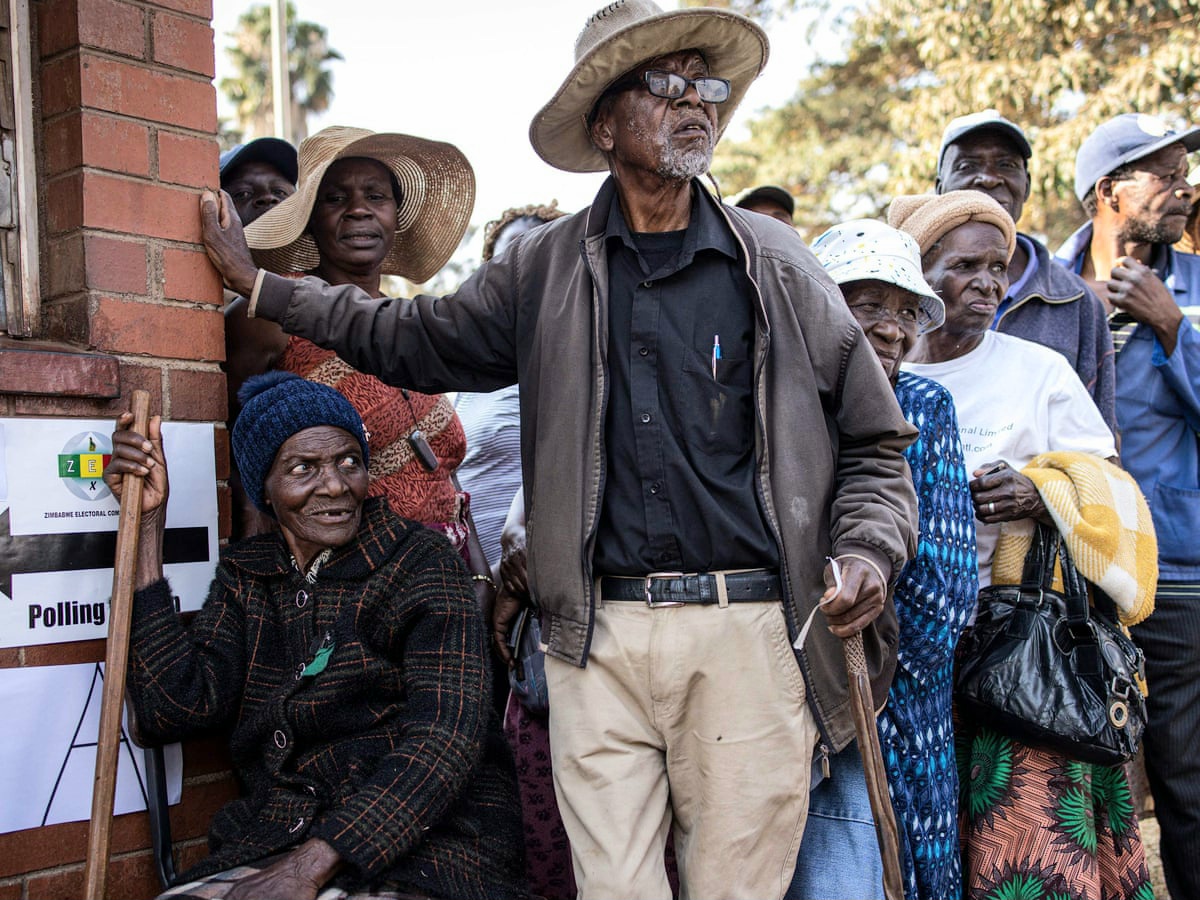
Zimbabwe’s Constitutional Amendment Bill No. 3 of 2026 is fast becoming more than a legal tweak. It is now a battle over time, power and accountability, anchored on a powerful warning from critics that “an election cycle is a people’s audit of the elected.”
At the centre of the storm is former Cabinet Minister and political scientist Jonathan Moyo, who argues that the proposed changes are being misunderstood. He insists the Bill does not tamper with presidential term limits but instead reforms the country’s election cycle.
“WHAT IS AN ELECTION CYCLE?” Moyo asked, before defining it as a “structured and demarcated period emblematic of the preparation, conduct and aftermath of elections.” He added that in Zimbabwe, the five-year framework forms a “harmonised election triad” covering presidential terms, the life of Parliament and election timing.
The Bill seeks to move that cycle from five to seven years. Moyo calls it “a Sabbath initiative!”
But critics are not buying it. Commentator Che Ernst fired back:
“The Constitution of Zimbabwe does not entrench an abstract concept called an ‘election cycle.’ It entrenches specific constitutional terms of office and timing requirements.”
They argue that changing five years to seven is not semantic gymnastics. It extends tenure. Section 95 fixes the President’s term at five years. Section 143 does the same for Parliament. Section 158 locks in election timing. Altering those provisions, critics say, modifies democratic accountability itself.
Another commentator, Gift Kugara – Mawire, a Former army personnel, framed it more bluntly:
“An election cycle is not a nuisance. It is the people’s audit.”
Extending it, they argue, “lengthens executive comfort and postpones public judgment.”
You May Like This
Government, through Justice Minister Ziyambi Ziyambi, has already signalled there will be no referendum, a position that has deepened tensions. ZANU PF’s parliamentary majority means the Bill could pass unless blocked by the courts. Constitutional expert Professor Lovemore Madhuku has approached the Constitutional Court on behalf of six war veterans challenging the reforms.
The debate has also exposed fissures within ZANU PF itself, with Vice President Constantino Chiwenga reportedly resisting proposals to scrap universal suffrage in favour of presidential election by Parliament.
In the end, the question is stark, is this administrative reform for stability, or a fundamental reset of how often citizens audit their leaders? Because in constitutional democracy, time is never neutral. It is power.
Leave a Reply