
By Advent Shoko
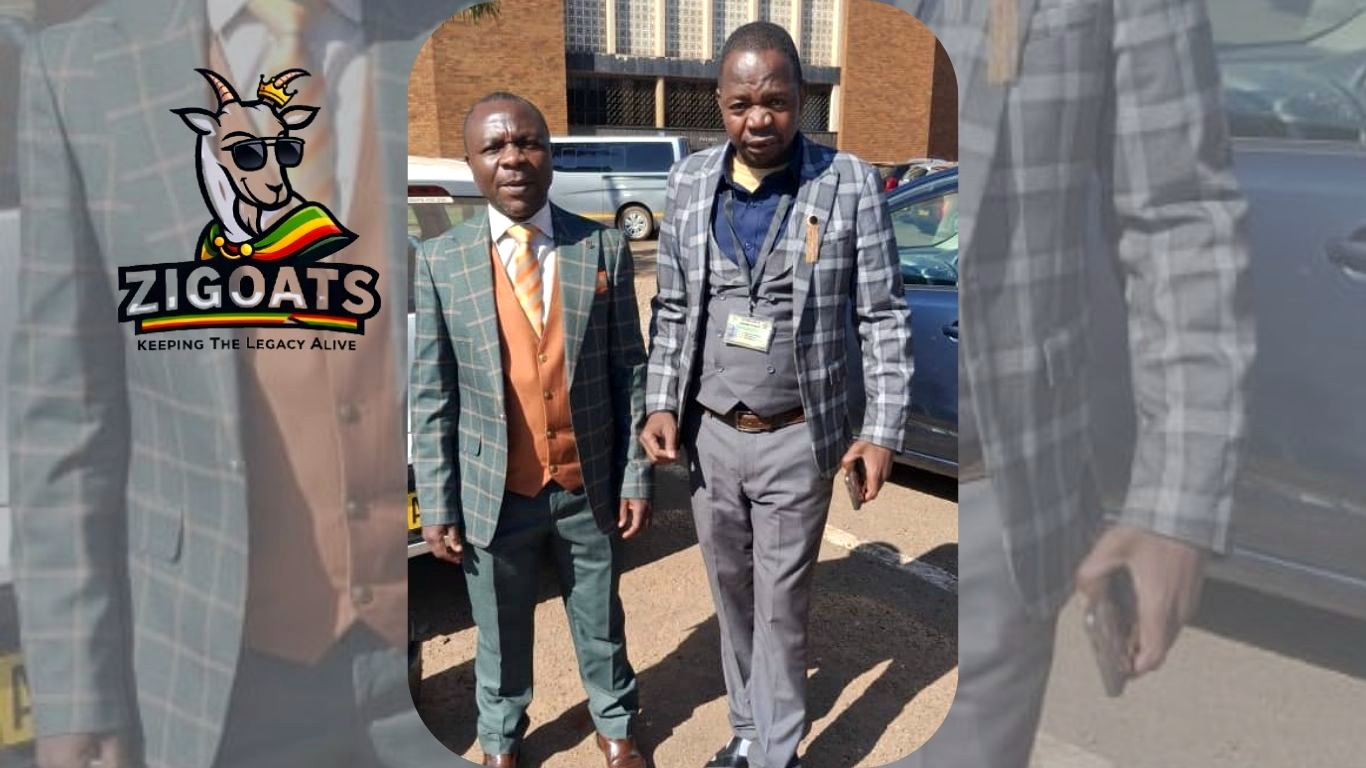
HARARE – After more than two months behind bars, traditional leader Timothy Chiminya, better known as King Munhumutapa, has been freed from prison following his conviction for insulting President Emmerson Mnangagwa. The decision by the High Court this week has reignited public debate about free speech, criminal law and the limits of dissent in Zimbabwe.
Chiminya, who styled himself as King Munhumutapa, was arrested on 16 December 2024 in Harare and later convicted in November 2025 by Harare Magistrate Tapiwa Kuhudzayi on a charge of “undermining the authority of or insulting the President” under Section 33 of the Criminal Law (Codification and Reform) Act (Chapter 9:23).
He was sentenced to 10 months in prison with two months suspended on condition of good behaviour, effectively eight months behind bars. The charges stemmed from statements prosecutors alleged he made about the President’s authority, including claims he had the power to appoint and dethrone traditional chiefs, a role that, under Zimbabwe’s governance system, is constitutionally reserved for the President.
His lawyers from the Zimbabwe Lawyers for Human Rights (ZLHR) challenged both the conviction and the sentence and applied for bail pending appeal. The appeal bid was initially opposed by the Prosecutor‑General’s Office, but was ultimately successful. On 4 February 2026, High Court Judge Justice Davison Foroma granted Chiminya bail, ordering him to deposit US$200 with the Harare Magistrates Court and setting conditions including monthly reporting to a local police station and attending his appeal hearings in person.
You May Like This
In a statement released on 6 February 2026, the ZLHR welcomed the court’s decision to free King Munhumutapa from prison, describing the release as a vindication of Chiminya’s rights.
The case highlights the continuing legal and constitutional tension in Zimbabwe over criticism of the head of state. Section 33 of the Criminal Law (Codification and Reform) Act makes it an offence for anyone who “publicly, unlawfully and intentionally” makes statements about the President that could “engender feelings of hostility, hatred, contempt or ridicule” or that are abusive, indecent or obscene. Conviction can lead to a fine, up to one year’s imprisonment, or both.
Rights groups have long warned that provisions like Section 33 are vague and can be used to suppress legitimate criticism and dissent, especially during politically sensitive periods. Reports show the law has been used repeatedly in recent years to arrest politicians, activists and ordinary citizens for statements that fall broadly under the definition of undermining presidential authority.
Leave a Reply