
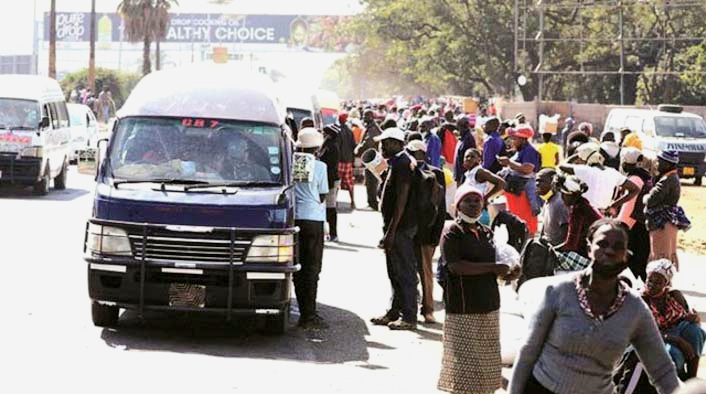
Harare – Urban commuters across Zimbabwe are grappling with a sudden surge in transport fares after operators hiked prices by between 100 and 150 percent following the recent spike in fuel costs driven by global developments in the Middle East.
For instance, travel from high-density suburbs like Cowdray Park in Bulawayo to the city centre now costs as much as US$1,50 for a one-way trip, with late-night trips doubling the fare. Many commuters say the increase has put additional strain on already tight household budgets.
The Government has strongly condemned the sharp fare hikes, describing them as unjustified and motivated by greed. Gabriel Masvora, Director of Communications at the Ministry of Local Government and Public Works, urged transport operators to exercise restraint. Masora said:
“We want to urge transport operators not to take advantage of the global fuel price increases to reap off commuters. A 100 percent increase is not justified if it is not motivated by profiteering,”
Masvora added that government interventions, including reduced fuel levies, were intended to cushion consumers.
A snapshot survey by Sunday News revealed that long-distance bus fares on highways such as Bulawayo-Harare and Bulawayo-Victoria Falls remained stable. However, urban commuter omnibus operators quickly adjusted fares upward, catching many passengers off guard.
The Zimbabwe Energy Regulatory Authority (ZERA) confirmed that diesel now retails at US$1,77 per litre, up from US$1,52, while petrol (E5) increased to US$1,71 per litre from US$1,56. Despite official prices, some stations sell diesel at US$1,80 and petrol at US$1,87. ZERA attributed the increases to international market shifts, exacerbated by geopolitical tensions in the Middle East.
Urban transport pricing falls under local authority oversight, Minister of Transport Felix Mhona clarified in Parliament. Mhona said:
“Each city is responsible for its urban transport system, including pricing. Long-distance buses fall under the Ministry’s direct oversight.”
Tshova-Mubaiwa Chairman Ndaba Mabunda explained the fare adjustments were primarily fuel-driven. He said:
“Fuel has risen suddenly and sharply. Operators need to maintain their vehicles and keep routes serviced while keeping fares as low as possible.”
Commuters now face a delicate balancing act between affordability and operational sustainability, highlighting the enduring economic pressures on Zimbabwe’s urban population.
Leave a Reply