
By Advent Shoko
HARARE – High-profile preacher and Prophetic Healing and Deliverance (PHD) Ministries founder Walter Magaya has once again thrust Zimbabwe’s criminal justice system into the spotlight after recent rape and fraud charges sparked confusion over bail, court jurisdiction and public understanding of the legal process. What began as headlines about a “bail refusal” has rapidly evolved into a more complex legal journey involving magistrates’ powers, High Court bail decisions and ongoing debate among legal experts and laypeople alike.
The Arrest And Charges
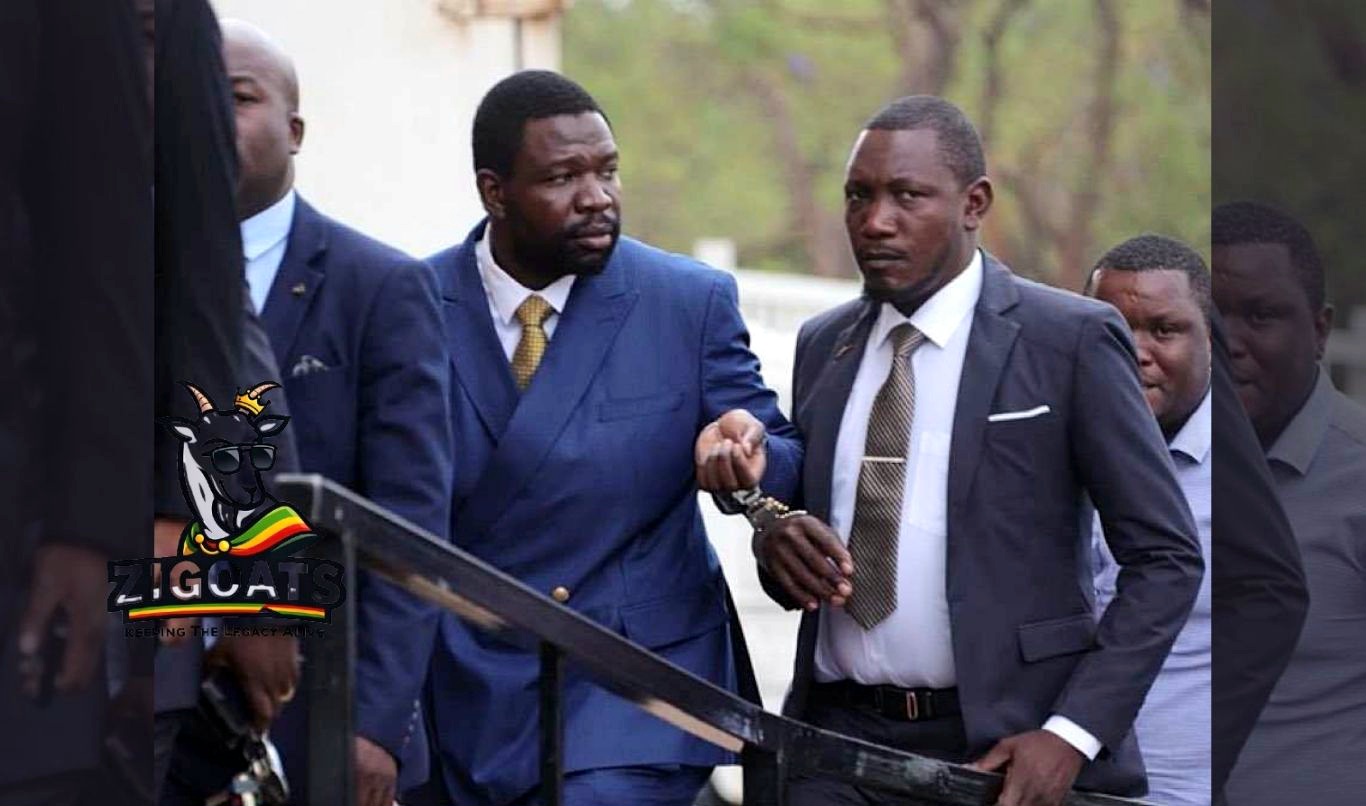
Magaya was arrested on 1 November 2025, facing multiple counts of rape and fraud following police investigations into alleged sexual misconduct and a botched church housing project that allegedly defrauded congregants. The Zimbabwe Republic Police confirmed the rape and fraud charges and brought him before Harare courts. His security aide was also arrested on related matters.
In late January 2026, four additional rape charges were added, and a magistrate remanded him in custody to 16–19 February 2026 for trial on the continuous roll. His lawyers say they will seek bail in the High Court.
- ED Challenger Sybeth Musengezi Launches New Party – Another Twist In Zimbabwe’s Rock‑Solid Politics
- Malema Embraces Looming Jail Sentence: EFF Leader Defiant Amid Firearm Conviction
Magistrates’ Court & Bail Jurisdiction’ Prof Greg Linington Would Have Said “Innocent Until Proven Guilty”, Right?
During our Constitutional Law studies at the University of Zimbabwe, Professor Greg Linington would tell us in NLT 400 that everyone is innocent until proven guilty, a cornerstone of criminal justice enshrined in Zimbabwe’s Constitution. But where does this fundamental principle fit into the ongoing confusion around Walter Magaya’s bail status in the rape case that has dominated headlines?
A central point of public confusion was reports claiming Magaya was “denied bail” by the Harare Magistrates’ Court. Legal expert and former Mount Pleasant MP Advocate Fadzayi Mahere challenged this narrative, stressing that Magaya was not denied bail in the magistrates’ court for the rape case. According to her, rape (and related serious sexual offences) is listed in the Third Schedule of the Criminal Procedure and Evidence Act (CPEA), meaning a magistrate generally cannot hear or determine a bail application for such serious offences unless the Prosecutor-General personally consents. Thus, bail applications for Third Schedule offences are normally handled by the High Court, not a magistrate, because of the severity of the charge.
Under Section 116 of the CPEA, the High Court has broad jurisdiction to grant bail for any offence once an accused has appeared in court. For Third Schedule offences, the magistrate must defer bail matters unless the prosecutor agrees to the magistrate hearing bail, which in Magaya’s case did not happen. That is why Magistrate Marehwanazvo Gofa advised that Magaya should apply to the High Court for bail on the rape charge, not that she “refused bail” on merit.
High Court Bail And Legal Developments
In mid-November 2025, Magaya was in fact granted bail, US$3,000 by the Harare High Court under Justice Gibson Mandaza, with conditions including surrendering his passport and title deeds, and regular police reporting. This decision came after his legal team followed the proper procedure by applying at the High Court. Other co-accused, including his wife and a company representative, also received bail on separate charges earlier.
Magaya’s defence has also mounted constitutional arguments, challenging aspects of his initial detention and placement on remand as potentially unconstitutional due to over-detention beyond the statutory 48-hour limit before court appearance, a remedy grounded in Section 50 of Zimbabwe’s Constitution.
Why The Confusion?
The confusion stems partly from differing bail outcomes in other high-profile rape cases. For example, two men accused of raping Zimbabwean socialite Mai Jeremaya were granted bail by the magistrates’ court despite the rape charge, demonstrating that magistrates can sometimes grant bail in Third Schedule cases if the local prosecutor consents. The CPEA explicitly allows this, but in practice it is rare, especially where the State chooses to oppose bail.
This distinction, the role of prosecutor consent, often confounds the public, leading to perceptions that the legal system is inconsistent or unfair. Legal practitioners emphasise that these decisions are nuanced and hinge on statutory interpretation, prosecutorial consent, and judicial discretion.
Broader Legal Context
In Zimbabwe’s criminal justice system, courts follow a hierarchy: the Magistrates’ Court deals with many offences and routine bail hearings, while the High Court deals with serious, scheduled offences and complex constitutional matters. The High Court also has original jurisdiction to consider bail for any offence but is commonly used for the most serious charges to ease lower courts’ workloads.
The debate around Magaya’s bail highlights broader public questions about transparency, consistency and the balance between protecting alleged victims and safeguarding the rights of the accused. Zimbabwe’s Constitution guarantees the right to bail except where compelling reasons justify refusal, and this balancing act is central to ongoing legal discussions.
Critics argue that the handling of bail in high-profile cases underscores the need for clearer public education on legal processes, while others see it as evidence of systemic inequality. Supporters of due process say the law must equally apply to all, regardless of social status or notoriety.
Prof Linington would say, “Each case is unique and must therefore be treated on its own merits.”
Leave a Reply