
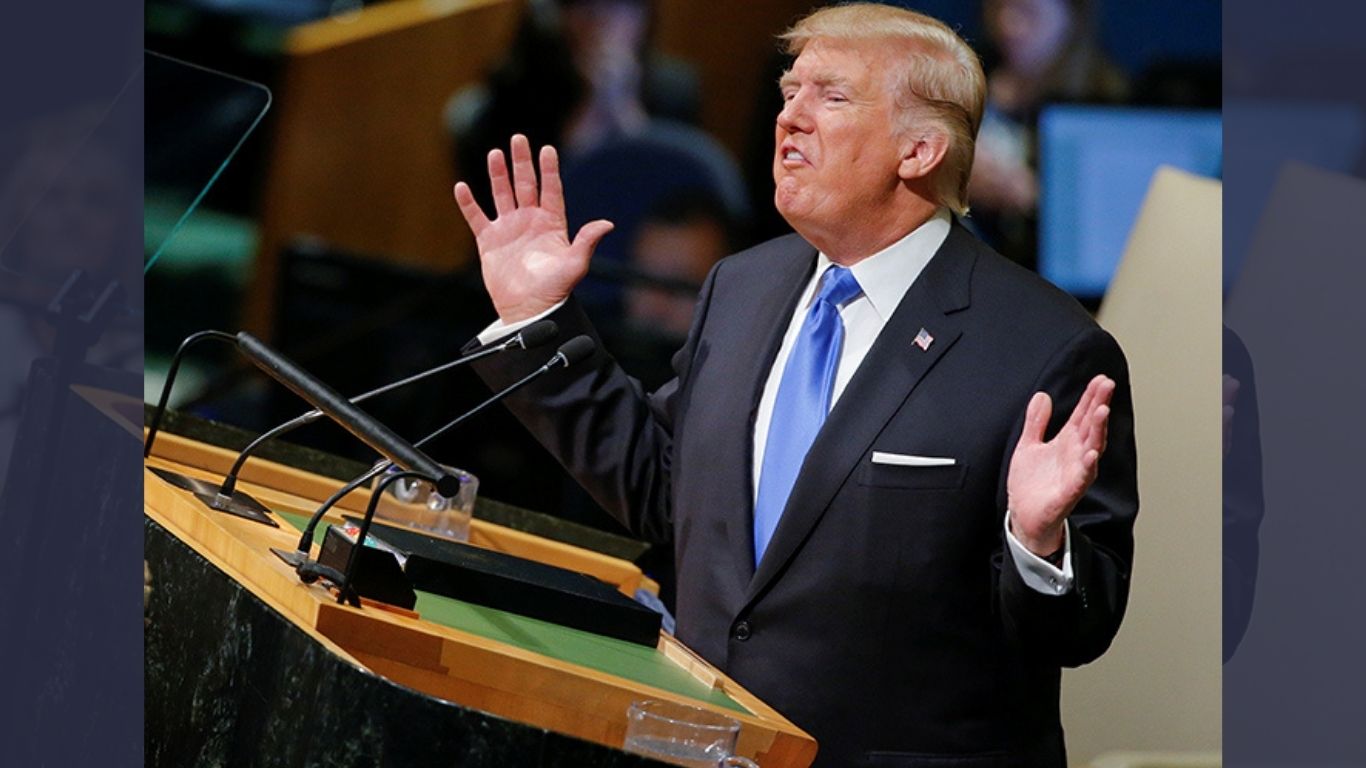
In a dramatic departure from nearly a century of American multilateral leadership, the US has announced it will withdraw from 66 international organisations, including some of the most influential bodies shaping global policy on climate change, gender equality, development, democracy and peacebuilding.
Organisations Affected (and Why America Is Exiting)
United Nations Entities (31), including the UN Framework Convention on Climate Change (UNFCCC), UN Women, UN Population Fund (UNFPA), Peacebuilding Commission, International Law Commission, and UN Conference on Trade and Development.
Non-UN Bodies (35), including the Intergovernmental Panel on Climate Change (IPCC), International Renewable Energy Agency (IRENA), International Solar Alliance, Global Counterterrorism Forum and others focused on development, labour, migration, environment and governance.
Why the U.S. Says It’s Leaving
In a presidential memorandum signed on January 7, 2026, President Donald J. Trump directed the United States to cease participation and funding for all 66 organisations it deems “contrary to U.S. national interests, security, economic prosperity or sovereignty.” Secretary of State Marco Rubio said the US withdraws from 66 international organisations to end support for institutions the administration believes are “redundant in scope, mismanaged, unnecessary, wasteful, or captured by agendas contrary to American interests.” Rubio said:
We will not continue expending resources, diplomatic capital, and the legitimizing weight of our participation in institutions that are irrelevant to or in conflict with our interests. We reject inertia and ideology in favor of prudence and purpose. We seek cooperation where it serves our people and will stand firm where it does not.
The White House framed the decisive action as part of an America First agenda, aimed at reclaiming national sovereignty and redirecting taxpayer dollars toward domestic priorities rather than global “bureaucratic” agendas.
A Pattern of Retreat from Multilateralism
This move is the latest chapter in America’s shifting relationship with multilateral institutions under the Trump administration. In 2025, the U.S. exited the World Health Organization (WHO) and UNESCO, and walked away from the Paris Climate Agreement, signaling skepticism of global frameworks it views as limiting U.S. autonomy.
Where once the U.S. championed collective action on global threats, from climate change to public health to peacekeeping, it now prioritises a narrower set of strategic engagements, particularly where it faces intense competition with rival powers such as China for global influence.
Global Response A The US Withdraws From 66 International Organisations and Immediate Impacts
International reaction has been brisk. UN officials and diplomats express concern that American withdrawal, especially from climate and development bodies, may weaken global cooperation at a time when crises like climate change and migration demand collective solutions. Analysts warn that without active U.S. engagement, other powers may fill the vacuum, reshaping global norms and alliances.
For decades, multilateral institutions served not just technical functions but also as forums for American soft power. Exiting them abruptly disrupts long-standing diplomatic rhythms and may diminish U.S. influence in areas traditionally shaped by its voice. Or, gives the U.S. freedom to act without restrictions, which is dangerous.
What Happens Next
In the near term, the U.S. is expected to stop funding and participation in the affected organisations “as soon as possible,” even as it retains participation in select bodies that align with security and economic priorities. The State Department says some collaboration may continue where “prudence and purpose” dictate.
In the longer term, scholars and diplomats predict this shift could accelerate global realignments. Countries that remain committed to multilateral cooperation may strengthen ties within those networks, while the U.S. pursues bilateral agreements and regional power blocs. The extent to which this strategy reshapes global governance, and whether it erodes or recasts American leadership, will be key to watch in coming years.
Leave a Reply