
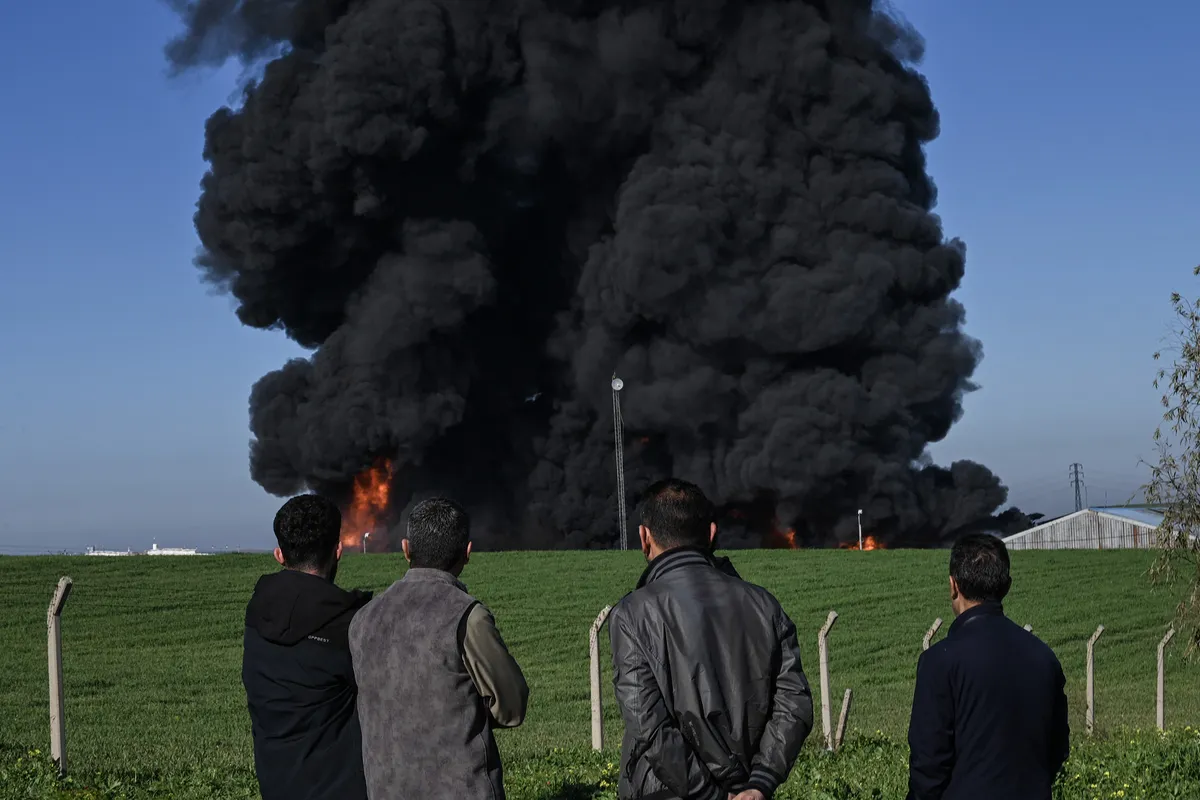
WASHINGTON / TEHRAN / STRAIT OF HORMUZ – The Middle East crisis has entered a far more dangerous phase after Iran rejected a proposed temporary ceasefire and refused to reopen the Strait of Hormuz, leaving the United States with narrowing strategic options and the global economy on edge.
By Advent Shoko
But before going any further, one point needs to be made clearly and professionally: the claim that “Trump continues to lie to the world” is an allegation, not an established fact. As reporters, the responsibility is to separate rhetoric from verifiable developments.
What is verifiable is this: President Donald Trump has repeatedly issued deadlines linked to reopening Hormuz, while Iran has publicly rejected a short-term truce framework and insisted on a more permanent settlement.
The result is a geopolitical standoff with enormous military, legal and economic implications.
The Crisis at the Core: Hormuz
The Strait of Hormuz remains the single most important strategic chokepoint in the crisis.
Roughly one-fifth of global oil and LNG flows pass through this corridor, meaning any disruption immediately reverberates through fuel prices, shipping insurance, inflation and currency markets worldwide.
Oil markets have already reacted sharply, with prices surging on fears of prolonged disruption and further strikes.
This is no longer just a regional war story.
It is a global geoeconomic shock event.
Trump’s Three Strategic Paths
From a geopolitical and international law perspective, Washington appears to be left with three broad pathways.
1. Continue the bombing campaign
This keeps military pressure on Iran and aims to force compliance through sustained strikes.
However, continued bombing carries rising costs, militarily, diplomatically and economically.
- Each additional strike risks:
- higher civilian casualties
- wider regional retaliation
- further oil market disruption
- growing criticism under international humanitarian law
Legal scholars have already raised concerns over threats to civilian infrastructure such as bridges and power plants, which may raise serious questions under the Geneva Conventions and the laws of armed conflict, particularly around proportionality and distinction.
In practical terms, this option may prolong rather than resolve the crisis.
2. Negotiate from a weakened position
Diplomatic channels remain active through Pakistan, Turkey, Egypt and other intermediaries.
A proposed 45-day ceasefire framework has been tabled, but Iran has rejected a temporary arrangement tied solely to reopening Hormuz.
Negotiating now would mean Washington is no longer operating from the dominant posture projected earlier in the conflict.
That weakens leverage.
In geopolitics, missed deadlines reduce credibility.
Repeated ultimatums that are not enforced can embolden the opposing side.
3. Escalate to forcibly reopen Hormuz
This is the most dangerous option.
A forced reopening would almost certainly widen the conflict beyond the Gulf.
It risks:
- direct confrontation with Iranian naval and missile assets
- spillover into Gulf states
- proxy escalation involving regional actors
- a broader energy crisis
This could transform a regional war into a systemic international security crisis.
The Geoeconomics: Who Is Paying?
The biggest immediate impact is on energy and inflation.
Higher crude prices quickly filter into:
- transport costs
- electricity tariffs
- food inflation
- industrial production costs
For import-dependent economies, including many in Africa, Europe and Asia, this becomes a macroeconomic risk.
Countries like Zimbabwe, already vulnerable to imported inflation through fuel and logistics, could feel the pressure through pump prices and cost-of-living shocks.
This is where geopolitics becomes household economics.
The Bigger Story
This is no longer merely about Iran and the United States.
It is about:
- maritime security
- global energy flows
- the credibility of military deterrence
- the legal limits of wartime coercion
- the resilience of international institutions
The next 24 hours may determine whether the world sees de-escalation or a wider war.
And markets, governments and ordinary citizens are all watching the same narrow stretch of water.
The Strait of Hormuz is now the pressure point of the global economy.
Leave a Reply