
Zimbabwe’s Tax Titan & Business Environment
By Advent Shoko
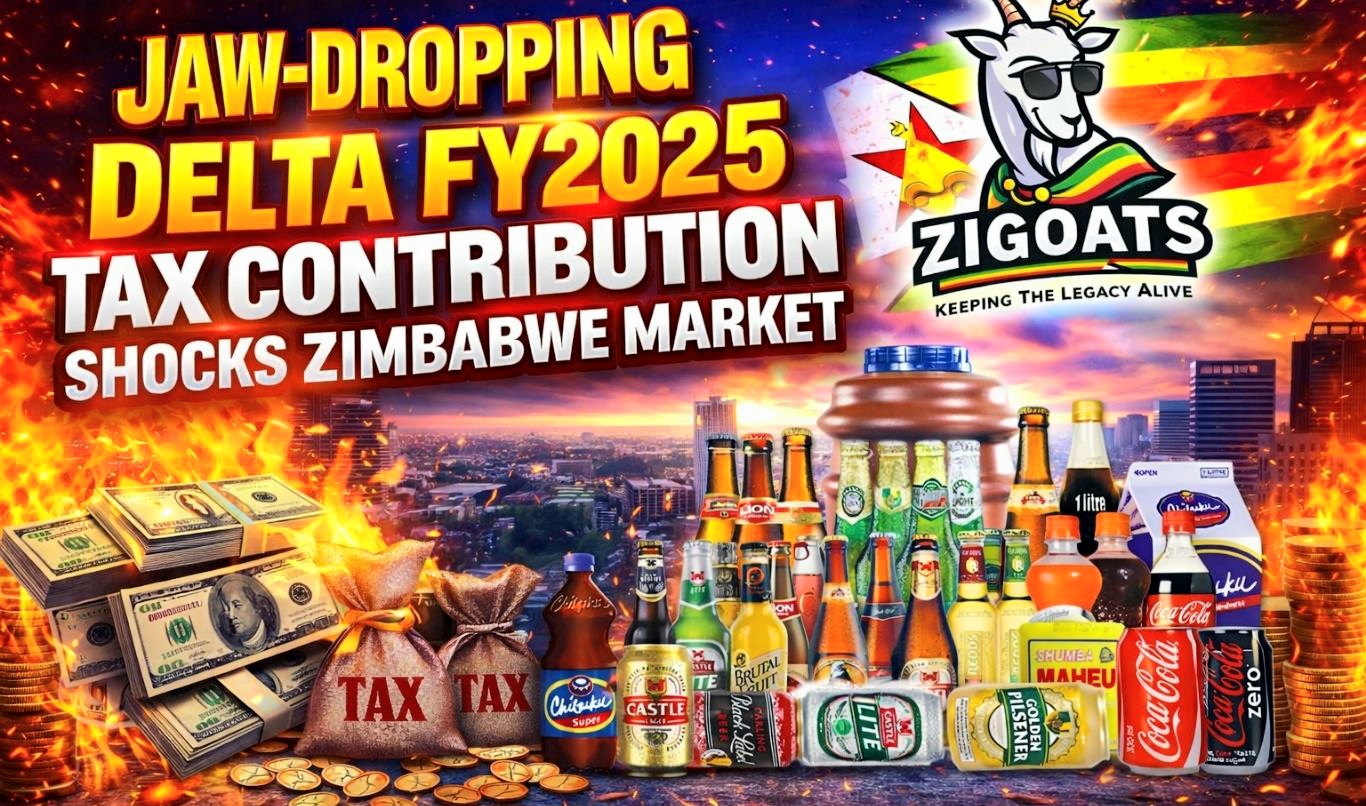
HARARE – Delta Corporation Limited has delivered astonishing financial figures in FY2025, solidifying its reputation as Zimbabwe’s biggest corporate tax contributor and a bellwether of formal business strength in an economy still battling macro uncertainty. Official disclosures show the beverage maker remitted a US$315.2 million in total taxes to the Zimbabwean government for the year ended December 31, 2025, a 24.7 percent increase from the previous cycle.
This jaw-dropping number isn’t just a headline; it’s a window into the economic dynamics, regulatory pressures, and structural realities of doing business in Zimbabwe today.
Delta’s tax haul spans multiple fronts: VAT and excise duties alone each topped US$90 million, together forming the largest slice of the total tax cake. Consumption taxes like these are crucial because they represent immediate revenue flows to the national treasury in a country where taxing the informal economy remains notoriously hard.
Revenue Growth, Profit Gains and Market Position
Behind the big tax figures are equally solid financial results. Delta’s revenue climbed by approximately 5 percent to US$807.5 million in FY2025, while profit after tax rose about 15 percent to US$116.1 million, notable resilience given Zimbabwe’s economic headwinds.
These outcomes were driven by healthy demand for core products like lagers, sorghum beer, and soft drinks, even as policy-induced cost pressures, especially the controversial sugar content surtax, forced price adjustments. That sugar levy, though yielding tax income, also sparked imports and smuggling of cheaper regional alternatives, undercutting local producers’ price competitiveness.
Corporate Contributions vs. Fiscal Strain
Delta’s position as a major taxpayer is particularly significant in Zimbabwe’s challenging business environment, where formal revenue sources are squeezed by high operating costs, unpredictable policy shifts, and currency volatility. The company has publicly criticised tax authorities for creating legislative positions through public notices that it says undermine long-term planning and investment clarity.
The broader economy continues to wrestle with structural issues. Frequent policy changes, and a dual currency system that still influences pricing and trade, have complicated the business landscape across sectors. While Delta’s portfolio performance is robust, some analysts warn that such large tax burdens, especially on consumption, could ultimately dampen consumer spending if price pass-throughs accelerate.
Tax Disputes and Legal Headwinds
It’s not all smooth sailing. Delta has been locked in a high-stakes legal battle with the Zimbabwe Revenue Authority (ZIMRA) over roughly US$74 million in disputed tax assessments covering VAT and income tax from past years. In mid-2025, the Constitutional Court dismissed Delta’s appeal, a ruling that could have sizeable implications for the company’s future liabilities and disputes over currency valuation in tax matters.
This legal context adds a layer of risk to Zimbabwe’s business climate, an environment where interpretation of tax law and enforcement can shape corporate strategy as much as market forces do.
Strategic Growth and Competitive Landscape
Delta isn’t just generating tax revenue. It’s reinvesting. Integration of brands and expanded production capacity, notably via the Belmont Lagers Manufacturing Plant in Bulawayo, enhance local supply chains, create jobs, and attract local contractors and suppliers.
Competitors remain active, though none match Delta’s footprint. Local rivals such as Innscor’s ProBrands and Novatek International compete across beer and beverage segments, while imported soft drinks and other alcoholic products add market pressure, especially where tax policies skew pricing.
Analysts also point to exciting growth prospects. With robust performance in the first nine months of 2025, where revenue soared 32 percent to US$514 million, forecasts suggest Delta could surpass US$1 billion in revenue by FY2026, propelled partly by its Schweppes subsidiary and strong dollar-denominated sales.
What Delta’s Numbers Mean for Zimbabwe
For the Zimbabwean government, Delta’s hefty US$315 million tax tally is more than a statistic, it’s a reliable revenue stream in a fiscal environment reliant on formal corporate contributions. For businesses, the company’s resilience amid policy and macroeconomic headwinds underscores the potential for profit and growth even in complex markets. For consumers, it’s a double-edged sword: strong domestic brands and product availability, but also pricing that reflects high tax pass-through.
Delta’s FY2025 performance captures a moment in Zimbabwe’s economic evolution, where formal business giants shoulder fiscal expectations, navigate legal and policy uncertainties, and still play a pivotal role in keeping factories humming, shelves stocked, and government coffers funded.
Leave a Reply