
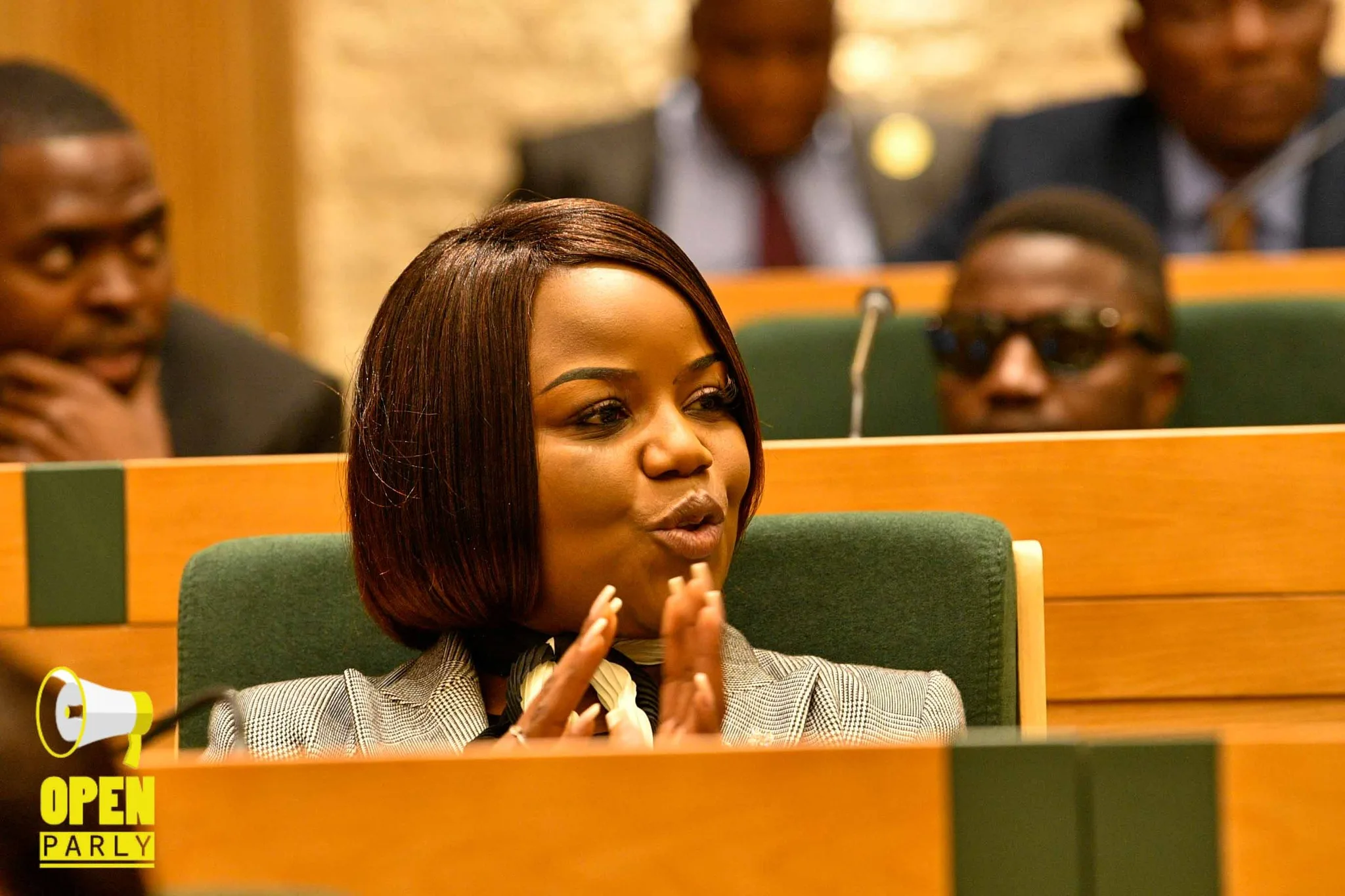
HARARE – Former Mt Pleasant legislator Fadzayi Mahere has sharply criticised Zimbabwe’s latest fuel price increases, describing them as unjustified and deeply burdensome for ordinary citizens and businesses already grappling with rising living costs.
By Advent Shoko
The latest review by the Zimbabwe Energy Regulatory Authority (ZERA) pushed diesel to US$2.11 per litre from US$2.05, while petrol blend (E5) rose to US$2.23 from US$2.17. In local currency terms, the prices now stand at ZWG53.60 for diesel and ZWG56.70 for petrol per litre.
For motorists, transport operators, farmers and haulage firms, the increase lands at a sensitive moment, with global oil markets already rattled by conflict in the Middle East.
Mahere: “The Hikes Are Profiteering”
Mahere did not mince her words.
In a strongly worded response, she accused authorities and fuel market players of using the international crisis as cover for profiteering.
“You can’t increase fuel prices to the most astronomical levels ever known to us then lie that you’ve removed taxes. You haven’t. You’re profiteering and intentionally inflicting suffering on the masses.”
She further alleged that the same actors involved in the fuel supply chain are also influencing price determination, a claim that touches directly on long-running public concerns over transparency and governance in Zimbabwe’s fuel sector.
Her remarks are likely to resonate with commuters and businesses who have already begun absorbing the knock-on effects through higher transport fares, logistics costs and commodity prices.
ZERA’s Justification: Global Pressure, Local Cushion
ZERA, however, insists the increase is driven by global supply chain disruptions linked to the US-Israeli war on Iran, which has pushed up international oil costs and complicated regional supply routes.
The regulator argues that without government intervention, the diesel price would have climbed much higher. ZERA said:
“Without Government intervention, the price of diesel would have been US$2.65 per litre.”
That means the state says it effectively cushioned motorists by 54 US cents per litre, largely through the removal of taxes and levies on diesel.
From a policy standpoint, that intervention is being positioned as a subsidy aimed at shielding:
- mining
- agriculture
- passenger transport
- haulage and freight services
These are sectors central to economic productivity and inflation control.
The Politics and Governance Question
This is where the story moves beyond pump prices.
Fuel pricing in Zimbabwe has long been a governance and accountability issue, not merely an economic one.
Workers’ groups and civil society organisations have also questioned whether international oil price movements alone justify Zimbabwe’s rates, especially when neighbouring countries continue to post significantly lower prices.
That broader concern feeds directly into Mahere’s argument that the increases are excessive and disconnected from regional benchmarks.
For the average Zimbabwean commuter, the impact is immediate.
Public transport operators often pass increases straight to passengers within hours, meaning every fuel hike quickly becomes a cost-of-living story.
Recent reports from Harare already show commuters facing higher fares as transport operators respond to the latest review.
The Business Fallout
For businesses, especially SMEs, transport-intensive sectors and retailers, fuel remains one of the most sensitive cost drivers.
A rise of even a few cents per litre can ripple through:
- distribution costs
- farm input delivery
- cross-border trade
- food pricing
- commuter fares
That is why this latest increase is likely to intensify inflation concerns at a time when businesses are already operating in a high-cost environment.
Leave a Reply