
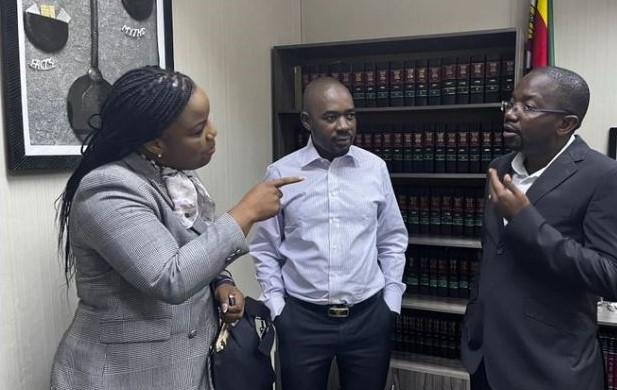
Prominent Zimbabwean lawyer and politician Advocate Fadzayi Mahere has shared a practical 12-step guide for people who find themselves facing criminal allegations, urging them to seek legal representation immediately, remain silent before police and avoid discussing their case publicly.
By Advent Shoko
Mahere, who described the advice as “free criminal law advice”, said the decisions made in the hours and days after an alleged offence can significantly affect the outcome of a criminal case.
Her guidance has sparked discussion online, with many Zimbabweans praising the emphasis on obtaining professional legal counsel and protecting one’s constitutional rights.
Get Legal Help Immediately
Mahere’s first piece of advice is for anyone facing criminal allegations to confide in someone they trust for emotional support before securing the services of an experienced criminal defence lawyer.
She stressed that the seriousness of the alleged offence should determine the calibre and experience of the lawyer engaged.
“Secure the services of an elite criminal lawyer. The more serious the offence, the better and more experienced lawyer you need,” Mahere said.
Tell Your Lawyer Everything
According to Mahere, clients should have a private one-on-one consultation with their lawyer and provide a complete account of events.
She said this should include what happened before, during and after the incident, as well as the person’s mental state at the time.
“Tell the lawyer everything in detail… Err on the side of giving ‘too much’ information.”
Mahere also advised clients to carefully listen to their lawyer’s initial assessment instead of immediately arguing with it.
Ask the Right Questions
She encouraged accused persons to ask detailed questions about their case, including:
- Available legal defences.
- Whether to plead guilty or not guilty.
- Prospects of obtaining bail.
- Possible court procedures.
- Chances of success if the matter goes to trial.
- The worst-case scenario and potential sentence.
- Whether restrictions on media coverage are possible.
- What evidence could strengthen their defence.
Stay Silent and Stay Offline
One of Mahere’s strongest warnings concerns interactions with police and the public.
She advised accused persons not to make any statements to investigators, saying all communication should be handled by their lawyer.
“Once you get to the police, do not say a word. Let the lawyer do all the talking. All of it.”
Mahere also urged people to avoid social media entirely.
“Do not post a thing online. Deactivate your social media accounts.”
She further advised against speaking to journalists and encouraged family members and friends to refrain from discussing the case publicly.
Instead, she recommended appointing a trusted person to manage any necessary public communication while also seeking psychological support.
Trust the Process
Mahere cautioned against seeking multiple legal opinions after retaining counsel.
Instead, she encouraged clients to trust their chosen lawyer’s expertise and follow their advice throughout the legal process.
Her final message was simple but powerful:
“Breathe.”
Legal experts often advise that the period immediately after an arrest or criminal allegation is critical. Statements made to police, comments on social media or media interviews can sometimes be used as evidence in court.
Mahere’s advice serves as a reminder that everyone accused of a crime has legal rights, including the right to legal representation and the right to remain silent. Understanding and exercising those rights can play a crucial role in ensuring a fair legal process.
Leave a Reply