
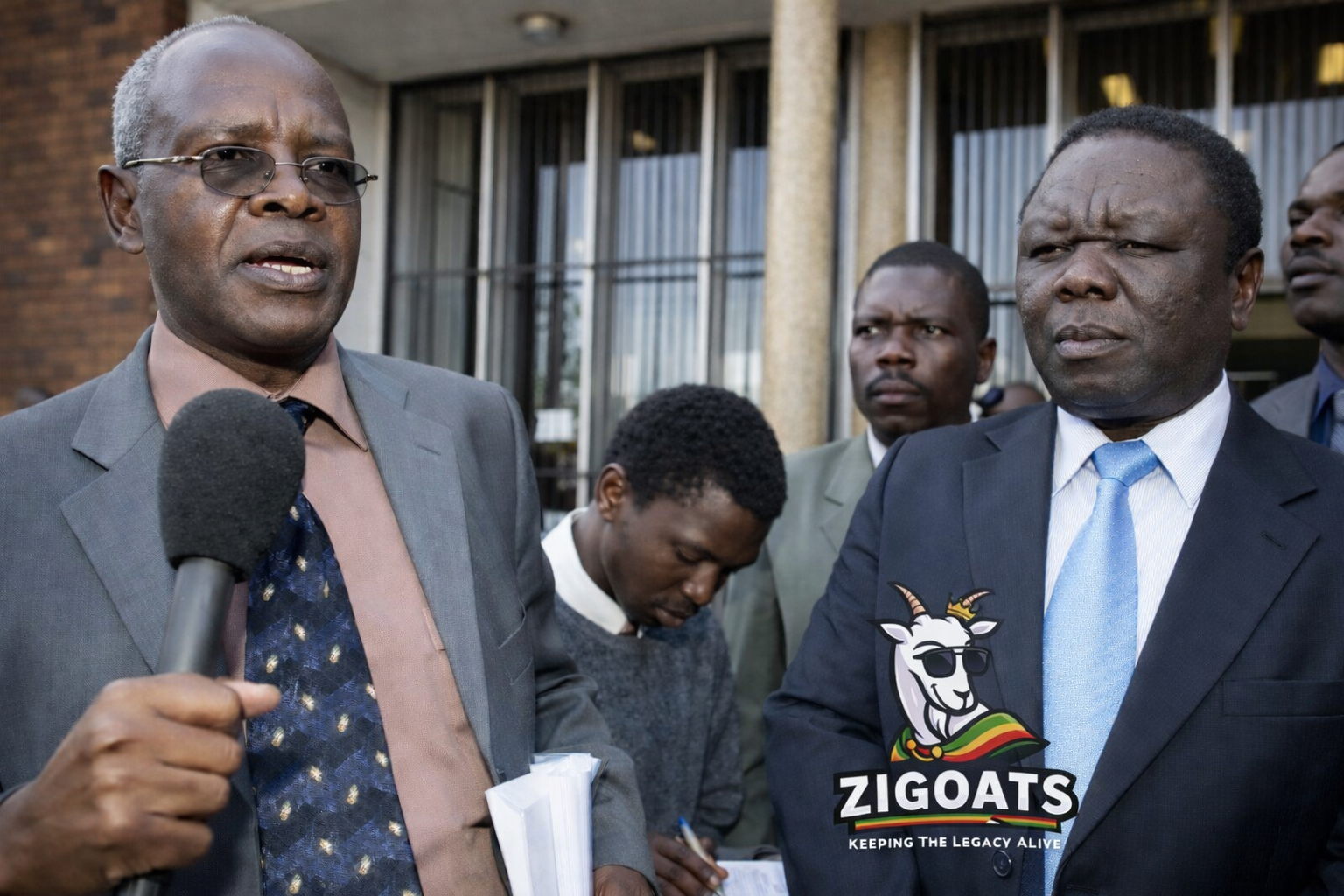
HARARE – Eric Matinenga, a key architect of Zimbabwe’s 2013 Constitution, has strongly opposed the proposed Constitutional Amendment Bill No. 3, warning that it threatens the country’s democratic foundations and risks reversing hard-won governance gains.
Matinenga, a former Minister of Constitutional and Parliamentary Affairs, formally submitted his objections to Parliament as part of ongoing public consultations on the Bill, which has already sparked widespread debate across political and legal circles.
“Retrogressive and Anti-People”
In a sharply worded submission, Matinenga did not hold back, describing the proposed amendments as a direct assault on democratic principles. He said:
“These submissions strongly oppose, with respect, the Amendment as retrogressive, anti-people, anti-proper governance and unashamedly bring back the Big Man Syndrome which the Constitution sought to banish from our political and governance psyche.”
The Bill proposes sweeping changes, including shifting the election of the President from a direct popular vote to a parliamentary process, as well as extending presidential terms from five to seven years.
Threat to Voter Power
At the heart of Matinenga’s concerns is the potential erosion of citizens’ political rights, particularly the right to directly elect a president. He warned:
“The people’s political right to exercise power to vote for the president of their choice is being taken away… A president who they did not vote for post-2028 is going to be forced upon them.”
Legal analysts say such changes could fundamentally alter Zimbabwe’s governance structure by concentrating power and weakening electoral accountability.
Public Input Now Open
Parliament has since opened the process for public input, inviting written submissions until May 15, with nationwide public hearings scheduled between March 30 and April 2.
The consultations are a constitutional requirement, designed to ensure citizen participation before any amendments to the supreme law are adopted.
A Voice From the Constitution’s Core
Matinenga’s intervention carries significant weight. As part of the team that drafted the 2013 Constitution, his views reflect both legal expertise and institutional memory of the principles that shaped Zimbabwe’s current governance framework.
Now a Harare-based legal practitioner, Matinenga remains a respected figure in constitutional law, having previously defended opposition leader Morgan Tsvangirai in a high-profile treason trial.
A Nation at a Crossroads
With divisions already emerging over Constitutional Amendment Bill No. 3, Zimbabwe finds itself at a critical moment.
The coming weeks of public consultations will not only test citizen engagement, but also determine whether proposed changes align with the spirit of the 2013 Constitution, or mark a significant shift in the country’s democratic trajectory.
Leave a Reply