
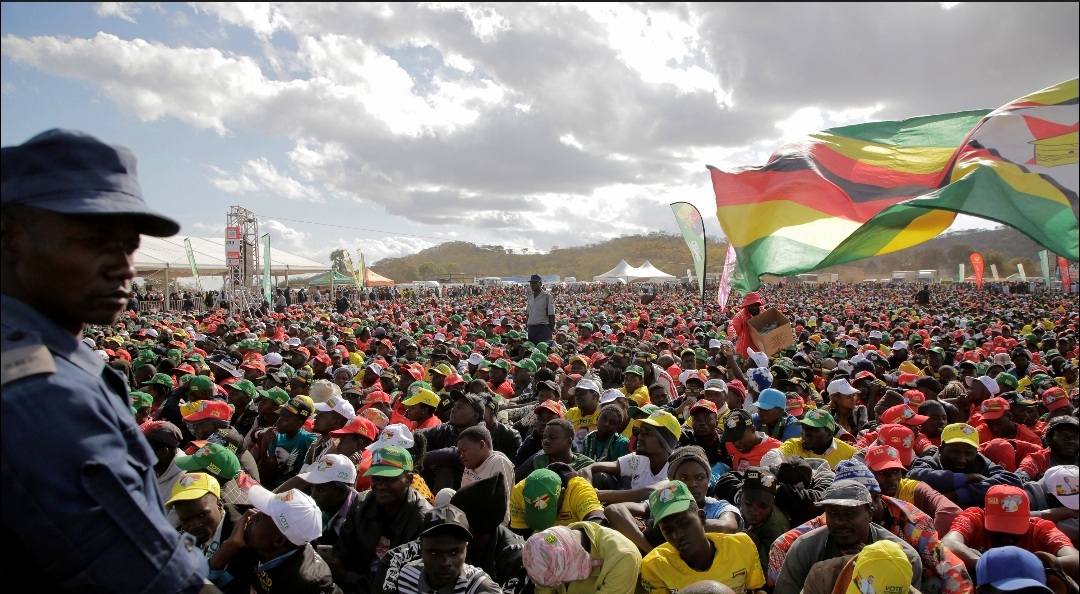
The Election Resource Centre (ERC) Africa has urged Zimbabwe’s government to subject proposed constitutional changes to a national referendum, saying the pending amendments could undermine participatory democracy and weaken the independence of electoral institutions.
Zimbabwe’s ruling ZANU PF proposed constitutional amendments to extend President Emmerson Mnangagwa’s term until 2030. Justice Minister Ziyambi Ziyambi subsequently tabled the proposed amendments which also sought to change the method of presidential election from a direct vote by citizens to an indirect vote by Members of Parliament. Cabinet adopted the resolution, and the Bill has now been officially gazetted.
In a statement seen by ZiGoats.com, ERC Africa said the proposals “represent a profound departure from the standards set out in the African Charter on Democracy, Elections and Governance and the SADC Principles and Guidelines Governing Democratic Elections.”
The electoral watchdog highlighted several areas of concern:
1. Changes to the Electoral System
The Bill removes citizens’ right to directly elect the president, opting for a parliamentary vote instead. ERC Africa stressed that any change to the electoral system should follow inclusive stakeholder consultations and a referendum, ensuring national consensus.
2. Extension of Tenure
The amendment also seeks to extend elected officials’ terms from five to seven years, citing election fatigue as a reason. ERC Africa criticised the rationale, noting that political polarisation and repeated by-elections, not election cycles, have driven instability since the 2018 harmonised elections.
3. Fragmentation of Electoral Functions
The Bill proposes moving voter registration and the voters’ roll from the Zimbabwe Electoral Commission (ZEC) to the Registrar-General, and creating a new Delimitation Commission. ERC Africa warned this threatens the independence of the ZEC, reversing reforms recommended by observers and the Commission itself.
4. Role of Parliament
ERC Africa urged Parliament to uphold constitutional supremacy and protect citizens’ voice, noting that these amendments affect fundamental democratic processes and cannot be enacted through a simple majority without public consent.
5. Traditional Leaders
The Bill proposes repealing restrictions preventing traditional leaders from joining political parties. ERC Africa warned this could deepen political polarisation in rural areas and formalise voter coercion, contrary to SADC principles.
6. Call for a Referendum
ERC Africa concluded that changes of this magnitude fundamentally alter the relationship between the state and citizens. “These amendments must be subjected to national consensus and, where necessary, a national referendum,” the organisation emphasised.
The ERC Africa continues to monitor the Bill’s implications on Zimbabwe’s electoral and democratic framework, stressing that transparency, inclusivity, and public participation are essential for legitimacy.
Leave a Reply