
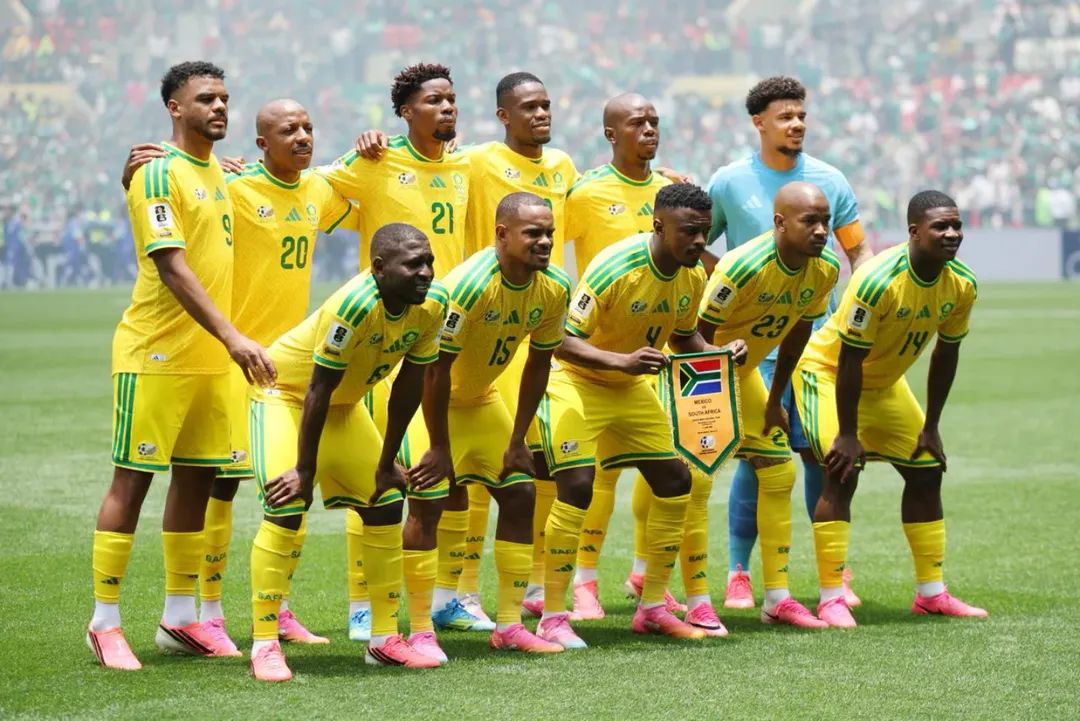
South Africa’s 2026 FIFA World Cup campaign could hardly have begun in a more frustrating fashion.
By Advent Shoko
Bafana Bafana fell 2-0 to Mexico in their Group A opener, but by the time the final whistle sounded, much of the discussion among supporters had shifted away from the scoreline itself and towards coach Hugo Broos’ team selection, tactical approach, controversial red cards and the omission of several fan favourites.
The defeat leaves South Africa bottom of Group A with zero points and a goal difference of minus two, while Mexico climbed to the top of the standings after a professional display that exposed Bafana’s shortcomings on football’s biggest stage.
Mexico Strike Early As South Africa Struggle To Settle
Questions began even before kick-off when Broos unveiled a starting line-up that many supporters felt was too defensive for a World Cup opener.
Several fans criticised the decision to deploy what appeared to be a five-man defensive setup, arguing that South Africa surrendered initiative to Mexico before the match had even begun.
Mexico took advantage of the cautious approach almost immediately.
Julián Quiñones opened the scoring in the ninth minute after South Africa failed to deal with an attacking move, leaving Bafana chasing the game for the remainder of the contest.
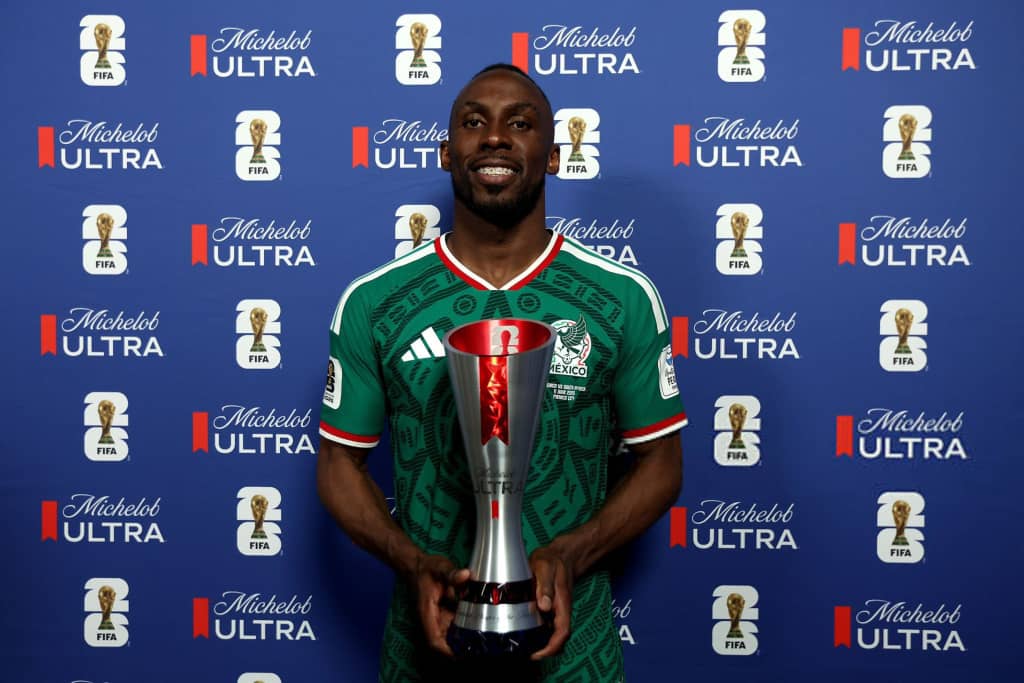
While Mexico controlled possession and dictated the tempo, South Africa struggled to create meaningful chances.
The statistics told the story. Mexico finished with 16 shots compared to South Africa’s four, enjoyed 61 percent possession and completed 538 passes at an impressive 91 percent accuracy.
For many supporters, the opening goal reinforced concerns about the team selection.
Particular and undeserved criticism was directed at defender Ime Okon, who some fans are making a scapegoat for the defeat. However, a separate debate quickly emerged online after some comments targeted the defender’s Nigerian heritage rather than his performance.
Many supporters pushed back against such remarks, insisting that mistakes should be judged on football merit alone.
Sithole Red Card Changes The Match
South Africa’s hopes of mounting a comeback suffered a major setback in the 50th minute when Yaya Sithole received a straight red card.
The dismissal sparked immediate debate among supporters.
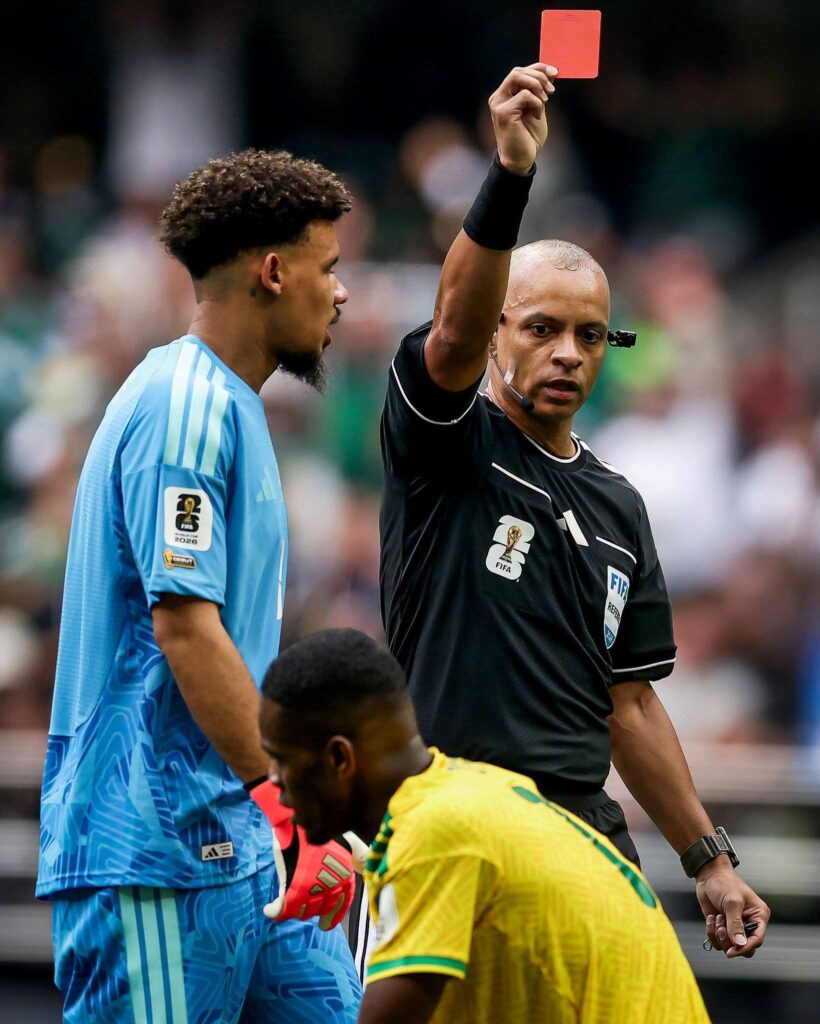
Some believed the decision was harsh, arguing that the incident was part of normal physical contact in football.
“The intention was not to slap him, it was to move him out of the way,” one supporter argued.
Others disagreed, insisting that any hand to an opponent’s face leaves a player vulnerable in the era of video technology and VAR scrutiny.
With ten men, South Africa’s task became significantly harder against a Mexican side already enjoying territorial dominance.
Jiménez Punishes Bafana
Mexico continued to press their numerical advantage and eventually doubled their lead in the 67th minute.
Veteran striker Raúl Jiménez found the net to effectively put the result beyond doubt.
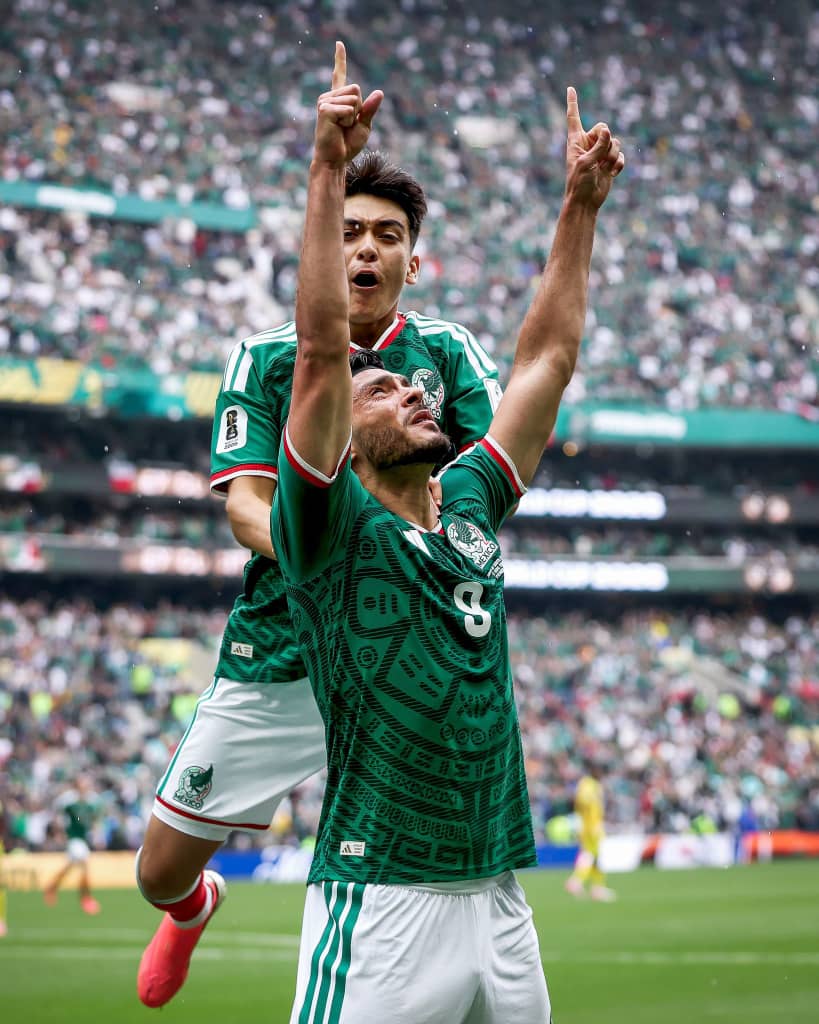
At that point many South African supporters admitted they had lost hope.
“First goal I went straight to bed. Our boys are not at the standard to play World Cup football,” one fan joked online.
Others felt the contest highlighted the gap between South Africa and nations with greater experience at major international tournaments.
Zwane’s Red Card Ignites Fierce Debate
If the result disappointed supporters, the biggest talking point arrived in the 84th minute.
Veteran midfielder Themba Zwane was shown a red card after an off-the-ball incident, reducing South Africa to nine men.
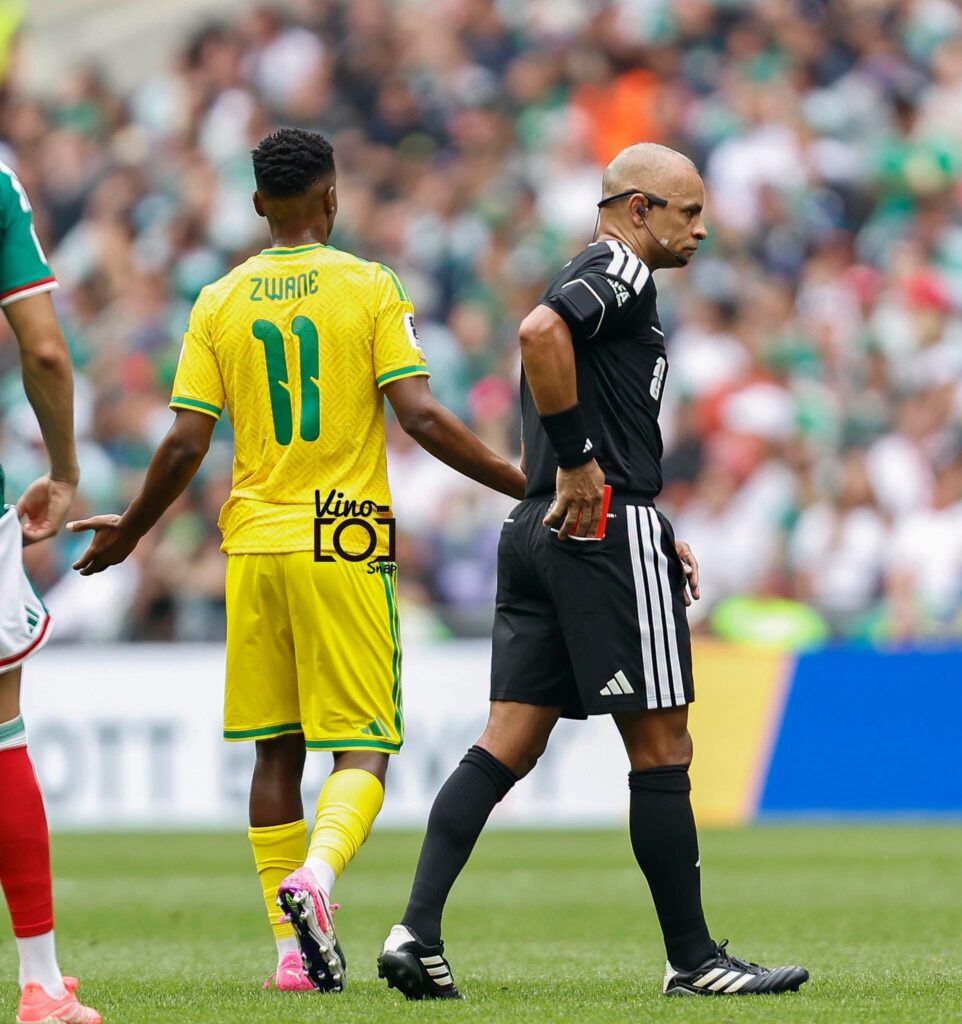
The dismissal instantly divided opinion.
Some supporters felt the referee had no choice.
“It’s a red card. He intentionally hit the opponent on the face,” wrote one fan.
Another added: “This is the World Cup. As a senior player he cost the team.”
Others believed the punishment was excessive and argued that similar incidents in domestic football often go unpunished or result in only yellow cards.
“This was supposed to be a yellow card to both parties,” another supporter claimed.
What united many fans, however, was frustration over Zwane’s inclusion in the squad.
The experienced midfielder had already been the subject of debate before the tournament, with some supporters arguing that younger and more dynamic options should have been preferred.
Several fans pointed to the omission of players such as in-form Thembinkosi Lorch, who was left out of the squad despite strong public backing.
Following Zwane’s dismissal, social media quickly filled with “we told you so” reactions.
Some supporters also questioned why players such as Relebohile Mofokeng, Oswin Appollis and Sipho Mbatha did not feature more prominently from the start.
“The only time I heard Themba Zwane’s name was when he came in and when he went out,” one fan remarked.
Broos Under Fire
As criticism mounted, much of the anger eventually landed on Broos himself.
Supporters accused the coach of being overly cautious, experimenting with tactics at the wrong time and ignoring public calls for more attacking selections.
“Hugo can’t be trying new tactics in a World Cup opener,” wrote one frustrated supporter.
Others questioned why attacking talents were left on the bench while South Africa struggled to create opportunities.
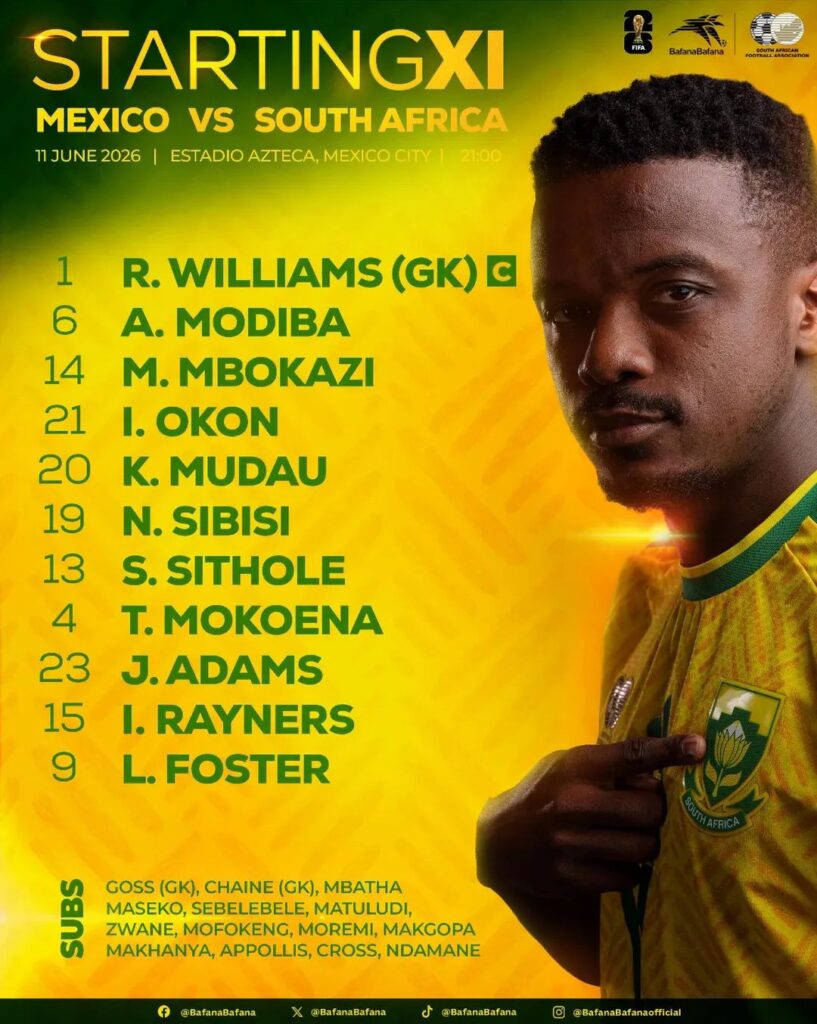
Several fans specifically mentioned Mofokeng, Appollis, Mbatha, Sebelebele and Moremi as players who could have provided greater attacking threat.
One supporter summed up the frustration bluntly: “How do you bench Appollis, Mofokeng, Mbatha, Sebelebele and Moremi all at once?”
The criticism became even louder after Mexico’s second goal and the two red cards effectively ended any chance of a comeback.
Mexico Finish Strong
Mexico’s own discipline was not perfect.
Defender César Montes received a red card in stoppage time, but by then the result had already been decided.
The final whistle confirmed a 2-0 victory for El Tri and a disappointing opening night for South Africa.
A Must-Win Situation Emerging
The defeat does not mathematically end South Africa’s hopes of reaching the knockout stages, but it significantly increases the pressure ahead of the remaining group matches against South Korea and Czechia.
More importantly, it has reopened long-running debates about squad selection, the balance between youth and experience, and whether Broos has chosen the right formula for football’s biggest tournament.
For now, the mood among supporters is one of frustration rather than panic.
Yet one message echoed repeatedly across social media after the defeat: fans believe the next match must bring changes.
Whether Broos agrees could determine whether South Africa’s World Cup campaign recovers or unravels further.
Leave a Reply