
By Advent Shoko
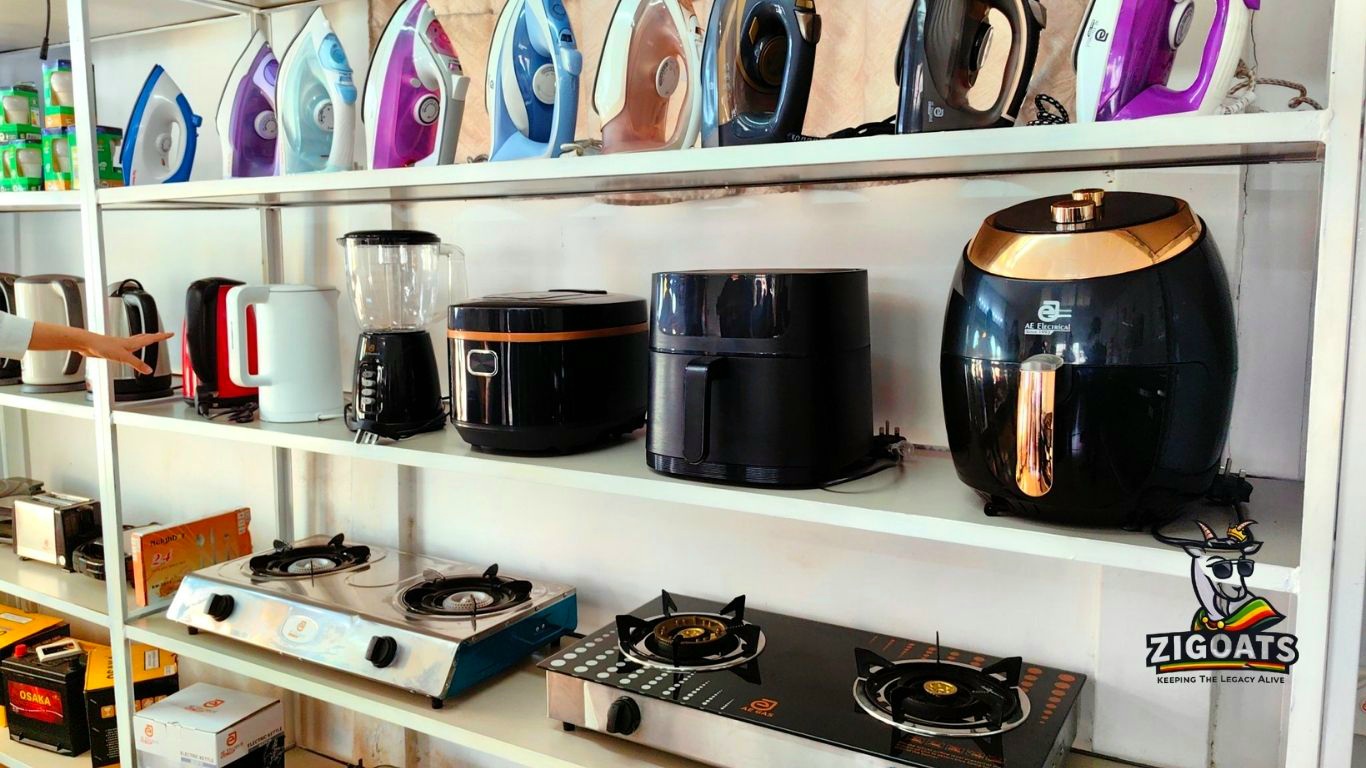
HARARE – Zimbabwe may finally be dusting off its industrial boots. A recent snap survey by ZiGoats.com suggests something that once sounded like nostalgia is slowly turning into reality again: locally made goods are creeping back onto shelves. For years, “Made in Zimbabwe” felt more like a memory than a label, as factories slowed, machinery fell silent, and imports filled even the simplest gaps. Toothpicks came from China, while local plants sat underused, as if the Southern African country had run out of trees and sharpeners.
But beneath the surface, a quiet shift is seemingly taking place, driven by a mix of local resilience and strategic foreign partnerships.
Roots In A Factory Nation
Zimbabwe’s industrial story did not start yesterday. During the Ian Smith era, even under international sanctions, Rhodesia produced a wide range of goods for domestic use. From cars, clothing to processed foods and household products, local industry carried much of the economy. Sanctions strained the system, but they did not completely break its production capacity.
At independence, Zimbabwe inherited that industrial base and, for a time, maintained meaningful levels of domestic manufacturing. Over the years, however, a mix of corruption, economic structural adjustment programmes, policy inconsistency, and deindustrialisation eroded that foundation. Imports surged, local factories shrank, and many industrial buildings were repurposed or abandoned.
Pan-Africanist commentator Ali Naka, a critic of the current administration, reflected on that decline, saying:
“In the 1960’s Rhodesia was Manufacturing these vehicles. Today those factories are now church buildings in Zimbabwe. Students at the polytechnics in Rhodesia designed these vehicles in the 1960’s! Today their age mates are asking for cars and cellphones from State sponsored criminals.”

His remarks capture a broader frustration shared by many Zimbabweans who remember when local production was the norm, not the exception.
- Zimbabwe Inflation Debate: Mahere Calls Price Stability “Fictitious” Amid Government Claims
- Zimbabwe Inflation Debate: Mugano Stands By Price Stability As Critics Call Narrative Fictitious
From Import Dependence To Local Production
Now, signs of industrial life are returning, though progress remains uneven.
Partnerships with countries such as China and India are playing a visible role in reviving sections of Zimbabwe’s manufacturing base. While critics point out that some operations still rely heavily on imported components and focus more on assembly than full production, the direction of travel is slowly shifting toward greater local participation.
One of the most symbolic projects is the Manhize Steel Plant, now operational and expected to transform how Zimbabwe processes its mineral resources. Instead of exporting raw materials and importing finished steel products, the country is positioning itself to produce more at home, creating jobs and strengthening industrial linkages.
Chinese Ambassador Zhou Ding recently highlighted these developments, saying:
“It’s inspiring to see how ‘Made in Zimbabwe’ is moving forward. 🇿🇼
Today (Tuesday 3 February 2026), I witnessed firsthand the impressive strides in local manufacturing driven by 🇨🇳Chinese investment. Refrigerators, gas stoves, solar water heaters, and various small electronic appliances are being produced right here, with over 40% local content. These products are replacing imports, meeting everyday household needs, creating skilled jobs, and actively contributing to Zimbabwe’s industrialization, self-reliance, and economic resilience. 🎉👏”
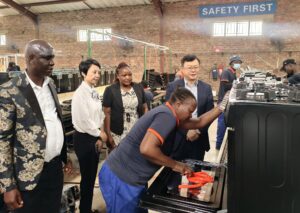
His remarks point to a growing range of consumer goods now being produced locally, helping to reduce import bills while creating technical and semi-skilled employment.
The Value Addition Push
For this revival to last, economists and policymakers agree on one key principle: Zimbabwe must move beyond exporting raw materials and instead focus on value addition and beneficiation.
The Reserve Bank of Zimbabwe has urged industry players to prioritise producing finished or semi-finished goods locally. Doing so could deepen supply chains, stimulate research and innovation, and create more skilled jobs. Incentives for local sourcing, workforce training, and industrial technology upgrades are increasingly seen as essential.
Still, major hurdles remain. Power shortages, foreign currency constraints, and policy uncertainty continue to weigh on manufacturers. Without consistent electricity, affordable finance, and a predictable business environment, industrial recovery could stall before it fully takes off.
Leave a Reply