
Zimbabwe continues to face significant economic pressures…
By Advent Shoko
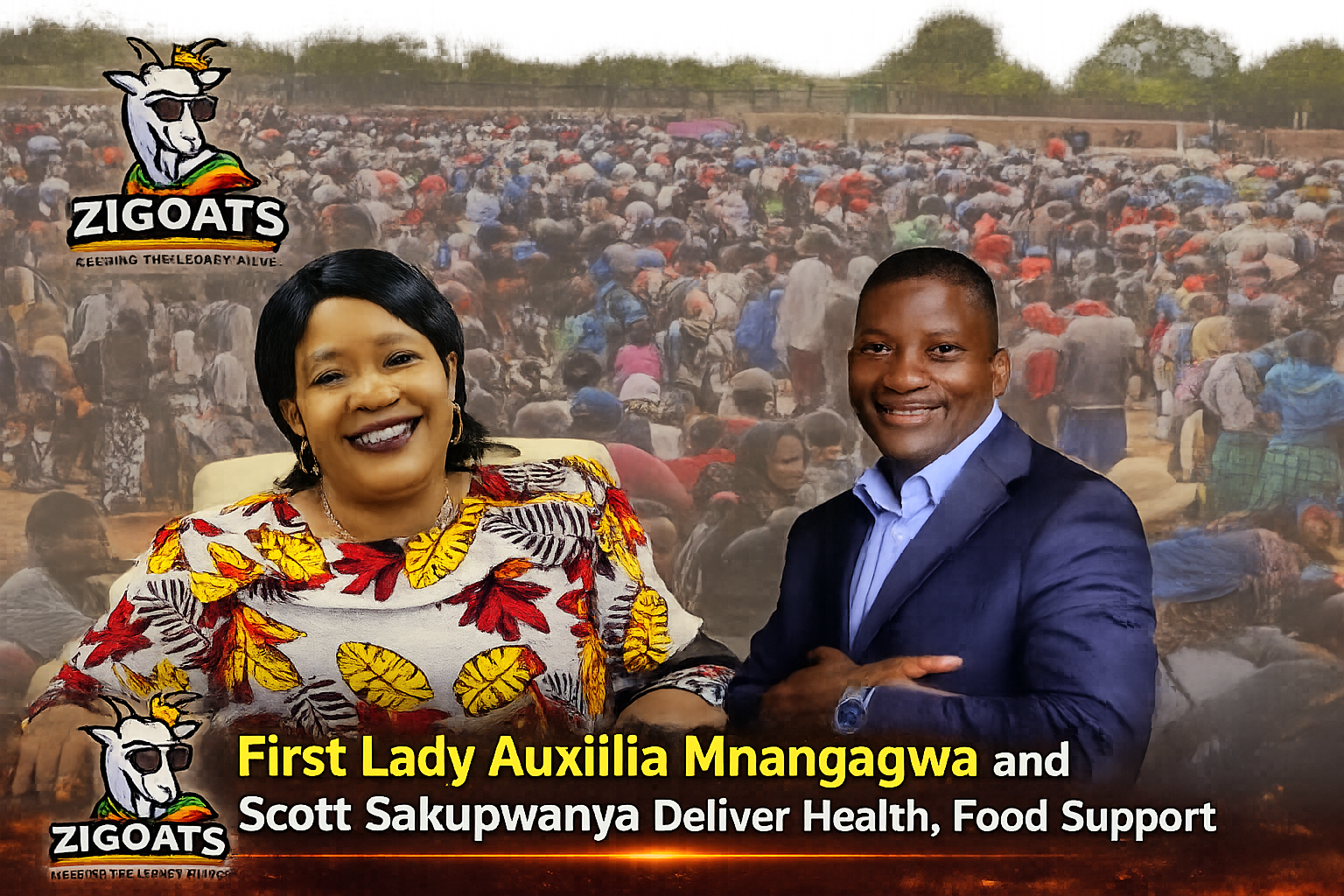
HARARE – In a wave of high‑profile community giving, Zimbabwe’s First Lady Dr Auxillia Mnangagwa and Mabvuku MP Scott Pedzai Sakupwanya have been making headlines with contrasting acts of public generosity. Both leaders say their actions are meant to help struggling families and strengthen local services, but critics warn that such initiatives reveal deeper challenges in the health sector, living standards, cost of living and public trust in governance.
First Lady’s Nationwide Push: Sanitation and Support
Dr Auxillia Mnangagwa recently took to social media to announce the donation of ablution facilities to health institutions across the country. In her statement, she described the initiative as a “complementary effort to the Government’s work given freely and from the heart.” She added:
“Improving sanitation and hygiene in our health facilities is essential to protect patients and our dedicated healthcare workers. Clean and dignified environments promote healing, prevention, and respect for life… ensuring that quality healthcare reaches every community, wherever they are.”
Her focus on ablution facilities, toilets, bathing points and hygiene infrastructure, underscores a long‑standing gap in basic health infrastructure across Zimbabwe, where many clinics and hospitals struggle with water, sanitation and hygiene (WASH) conditions that are essential for preventing disease and ensuring basic dignity.
Health experts have repeatedly pointed to these deficiencies as part of the broader health sector crisis, which is compounded by limited government funding, ageing facilities, and periodic shortages of medicines and medical staff. Poor sanitation, they argue, not only affects patient outcomes but also discourages community members from seeking care.

- Fundraiser Gains Momentum To Save Zimbabwean Nurse In Sheffield UK
- Chivayo Donates $300K To Scottland As PSL Champions Begin Title Defence
Sakupwanya’s Local Campaign: Food, Health and Support
While the First Lady’s efforts span the nation, MP Scott Pedzai Sakupwanya centred his work on Mabvuku constituency, where he is a local representative. In a series of posts, Sakupwanya outlined multiple community support activities, including:
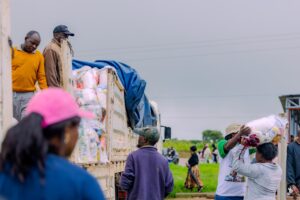
1. Food hamper distribution to families struggling with the high cost of living in the January period, a time when school fees, uniforms, transport costs, rent and daily needs hit household budgets hard.
2. Free medical services, including cervical cancer screenings and ECG heart checks offered at Scottland Medical Centre & Maternity.
3. Repeating a festive season tradition of delivering food hampers across Mabvuku, Tafara and Chizhanje, with messages of “warmth, dignity and hope.”
Sakupwanya framed these interventions as solidarity and support, stressing that “Mabvuku must move forward as one community helping where we can, when it matters most.”

Cost of Living and Living Standards Under Strain
Zimbabwe continues to face significant economic pressures, with high inflation, steep prices for food and fuel, and stagnant wages. Many families report difficulty keeping up with basics, especially after the holiday season.
Analysts say that rising cost of living has strained household budgets, forcing some to rely on community support or ad hoc donations to cope. Access to affordable healthcare remains a concern: although clinics exist in most communities, medication shortages, user fees, and transport costs continue to limit meaningful access.
The donations by public figures highlight gaps in public service delivery, even as ordinary Zimbabweans seek dignity in daily life and health security for their families.
Allegations of Misplaced Priorities and Political Motivations
While many beneficiaries and residents publicly expressed gratitude for the assistance, some critics argue that such gestures should be the responsibility of government and local authorities, not individual politicians or well‑connected figures.
A number of citizens and political commentators claimed that these gestures, especially when tied to social media announcements and political visibility, could be part of an effort to appease frustrated communities or convert public dissatisfaction into political support.
Other critics went further, suggesting that some of the resources used might be drawn from state allocations or public funds, though no formal evidence has been presented to support these claims.
Public Trust, Governance and What Comes Next
The contrasting acts by a prominent national figure and a local MP have reignited debates about governance, accountability and the role of elected leaders in Zimbabwe. While community support and generosity are welcome, many argue that the root problems, under‑resourced health facilities, high cost of living and uneven service delivery, require systemic solutions, not periodic charity.
As Zimbabwe navigates ongoing economic and social pressures, how leaders respond, and how citizens perceive those responses, will remain central to public discourse, especially in the run‑up to future elections and policy debates.
Bottom Line:
Dr Auxillia Mnangagwa’s nationwide sanitation upgrades and MP Scott Pedzai Sakupwanya’s community support are drawing attention, not just for what has been donated, but for what they reveal about Zimbabwe’s health system, living standards and expectations of governance. The public appreciation is real, but so are questions about sustainability, responsibility and accountability.
Stay tuned to ZiGoats for complete, clear coverage of governance, politics, and community affairs across Zimbabwe.
Leave a Reply