
By Advent Shoko | ZiGoats
Former Dynamos captain Murape Murape has challenged the growing perception that Zimbabwean footballers playing abroad should automatically enjoy an advantage over locally based players in national team selection.
Murape, a former Warriors international, says playing outside Zimbabwe does not necessarily make a footballer better, arguing that national team selection must be based on ability, performance and readiness rather than geographical location or club affiliation.
His remarks come amid continuing debate over the balance between locally based players and those developing their careers in foreign leagues and academies.
In a strongly worded statement, the Dynamos legend insisted that he was not opposed to diaspora players but wanted equal standards applied when assessing talent.
“Let me be clear, I AM NOT AGAINST DIASPORA PLAYERS. I AM AGAINST DOUBLE STANDARDS IN HOW WE ASSESS TALENT,” he said.
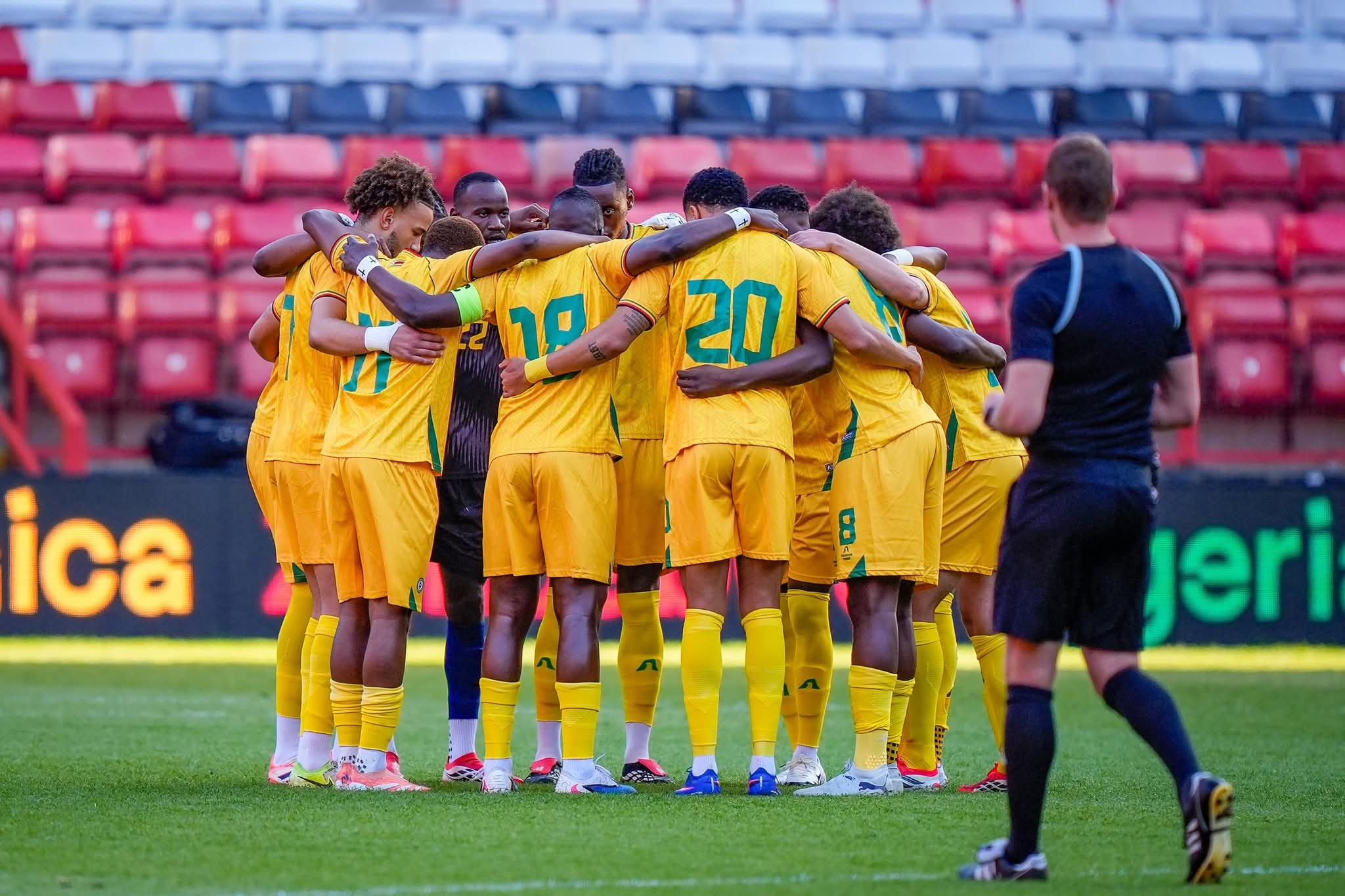
Murape pointed to comparisons between Zimbabwe’s Under-23 squad and Mali’s team, noting that 73.9% of Zimbabwe’s players were based outside the country, compared with 84% for Mali.
He argued that the figures demonstrated that his position should not be mistaken for opposition to footballers developing abroad.
Instead, his concern is what he sees as an automatic preference for overseas-based players, regardless of their competitive experience or actual contribution on the pitch.
Club Affiliation Is Not Enough
Using Liverpool youngster Trey Nyoni as an example, Murape highlighted the importance of distinguishing between different development pathways.
Nyoni, who has Zimbabwean heritage, is developing at Liverpool and has represented England at youth level. Murape said the youngster’s international ambitions should be respected while cautioning against treating every overseas academy affiliation as evidence of superior footballing ability.
He argued that some foreign-based players are enrolled in fee-paying academies and age-group programmes, which are not necessarily equivalent to professional senior football.
“An academy affiliation is not the same as senior professional experience. A club badge is not a performance assessment,” Murape said.
He believes players should instead be assessed on the quality of competition they face, their playing time, technical ability and readiness to compete at international level.
The former midfielder also defended young Zimbabwean footballers developing through local academies and the Castle Lager Premier Soccer League.
He argued that players competing against senior professionals at home deserve the same recognition as those attached to overseas academies.
Questions Over Influence In National Team Selection
Murape also raised concerns about the growing influence of independent diaspora football commentators in discussions about Warriors selection.
While acknowledging their right to express opinions, he questioned whether some of those involved in the debate had any formal responsibility within Zimbabwean football structures.
“Having an audience does not confer authority. Having connections to players does not create ownership of the national team,” he said.
He warned against allowing social media campaigns, personal interests or informal networks to influence national team selection.
Murape maintained that ZIFA and the national team’s technical departments must retain responsibility for selecting players through credible and transparent processes.
His comments come at a time when identifying and developing Zimbabwean talent across different football environments remains an important part of building competitive national teams.
Murape Proposes Joint Assessment Camps
Rather than allowing the debate to become a contest between locally based and diaspora players, Murape proposed structured assessment camps for the Under-17, Under-20 and Under-23 national teams.
Under his proposal, locally based and foreign-based players would be assessed under the same conditions, giving technical teams an opportunity to compare their abilities directly.
“My proposal is simple, structured U17, U20 and U23 assessment camps where local and diaspora players compete under the same conditions. Let the football decide,” he said.
The proposal would provide a platform for emerging players from both pathways to demonstrate their abilities while giving national team coaches a broader pool of talent to assess.
Murape also emphasised the need to protect investment in grassroots football, local academies and coaching development, warning that overlooking homegrown talent could undermine the country’s long-term football ambitions.
He said Zimbabwe needed to welcome talent wherever it was developed without creating an environment in which overseas affiliation automatically carried greater weight.
“We cannot build a strong football nation by diminishing those developing talent at home or by treating overseas affiliation as an automatic qualification for national-team selection,” he said.
Murape, who has spent much of his football career representing and contributing to the domestic game, concluded that no individual, network or social media platform should claim ownership of the national team’s future.
His central message was that national team places should be earned through performance, not determined by where a player happens to be based.
“The pitch never lies,” he said.
Leave a Reply