
By Advent Shoko | ZiGoats
Zimbabwe is moving to take village health workers onto the government payroll, but the modest US$35 monthly allowance they currently receive highlights why donor funding remains important to the country’s struggling community healthcare system.
The Government has approved plans to assume responsibility for paying the workers, reducing their dependence on external funding. However, with plans to increase their monthly remuneration to US$80 and eventually US$100 by 2030, the gap between what they currently earn and what they are expected to receive remains significant.
Health and Child Care Minister Dr Douglas Mombeshora said Treasury had already approved posts for the workers, paving the way for their absorption into the Ministry of Health and Child Care.
“We have agreed that all of them will be taken on board by the Ministry of Health, and we have already had posts offered by Treasury and we have started taking them on board,” Mombeshora said.
The move is intended to provide greater financial certainty for a workforce that plays a critical role in delivering healthcare services, particularly in rural communities.
However, the current US$35 monthly allowance raises questions about how much support these frontline workers can receive while the Government works towards its longer-term remuneration targets.
The allowance was previously US$14 before being increased to US$35.
Mombeshora said the Government wanted to raise it further.
“We still think that we should work it upwards to US$80 and by 2030 to US$100,” he said.
While the proposed increases would improve their earnings, US$35 remains a modest amount for people expected to support essential healthcare services at community level.
Why Donor Funding Still Matters
Taking responsibility for workers’ remuneration does not necessarily mean Zimbabwe should reduce its reliance on development partners in other areas of healthcare delivery.
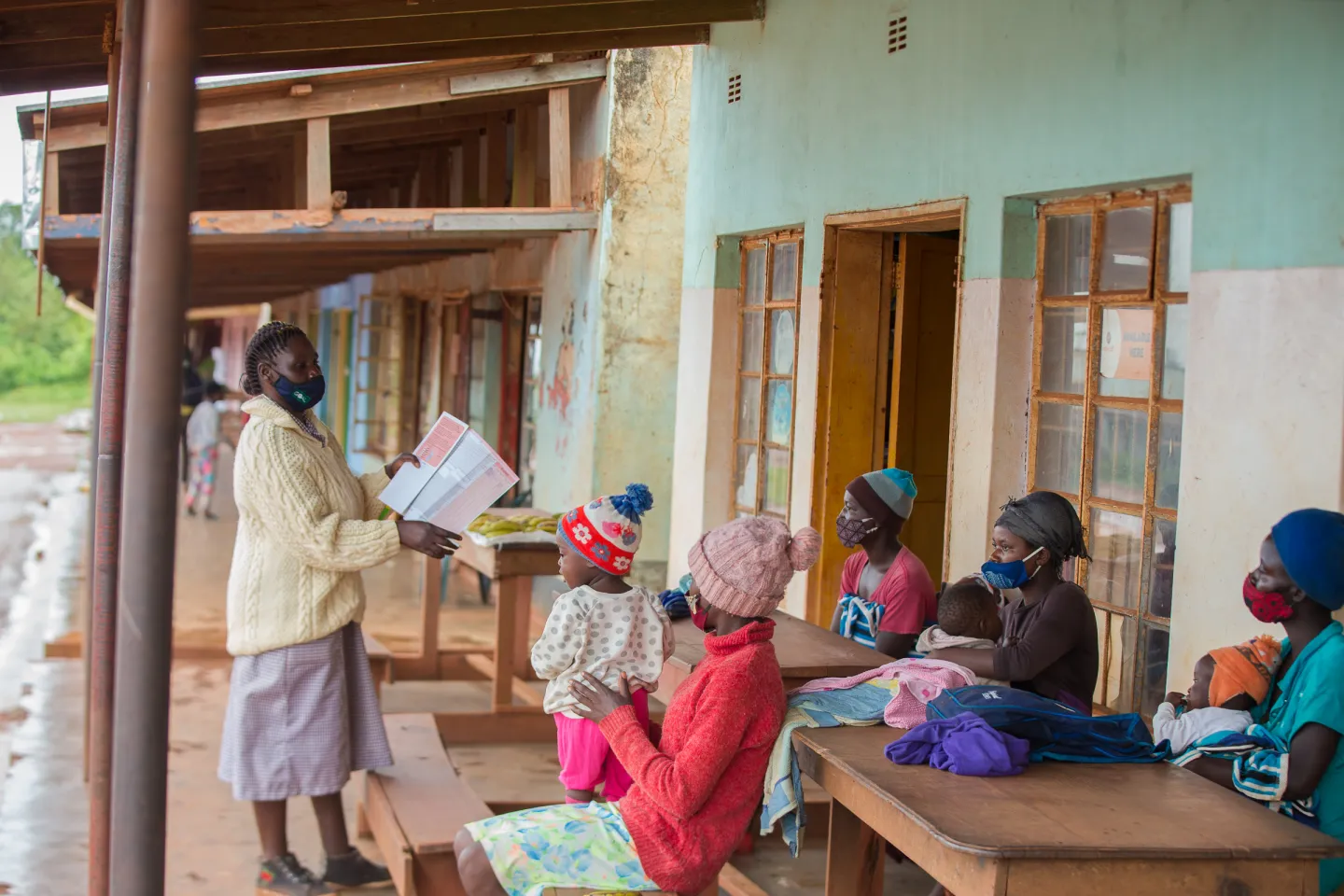
Village health workers are often the first link between rural communities and formal health facilities. Their responsibilities include identifying people with minor illnesses, encouraging them to seek medical attention, monitoring pregnant women and promoting antenatal care.
They also help identify and follow up people living with chronic conditions, support disease surveillance and provide health education.
These responsibilities require more than monthly allowances. Effective community healthcare also depends on adequate training, transport, medical supplies, communication and other operational resources.
With government resources under pressure, development partners can help bridge funding gaps and strengthen services without necessarily taking over the responsibility of paying public health workers.
This makes donor funding an important complement to government efforts, particularly as Zimbabwe seeks to improve access to primary healthcare in underserved communities.
Mombeshora acknowledged the importance of development partners but said their financial assistance would now be channelled through the Ministry of Health rather than directly paying individual health workers.
“The health workers are now going to be on government payroll. We are not going to have any health worker on payroll from our donors,” he said.
He added: “If donors want to bring money to assist, then they bring the money to the Ministry of Health, but not going directly to any health employee.”
The arrangement signals a shift towards greater government ownership of the community health workforce while retaining a role for development partners in supporting the broader health system.
Village Health Workers, A Critical Workforce
Although village health workers are not permanently employed, Mombeshora described them as central to the country’s primary healthcare programme.
“They work at the village level, but they are very important carriers in terms of implementing our primary healthcare,” he said.
Their work is particularly important in remote communities where distance, transport costs and limited access to clinics can delay treatment.
By identifying illnesses early, encouraging people to seek medical attention and supporting maternal healthcare, they help reduce pressure on formal health facilities and bring essential services closer to communities.
The Government’s decision to absorb them into its payroll is therefore an important step towards securing their remuneration.
At US$35 a month, their current allowance remains modest. Government funding can provide a more reliable foundation for their remuneration, while development partners can help strengthen the services and resources that make their work effective.
Ultimately, improving Zimbabwe’s primary healthcare system will require more than taking workers off donor payrolls. It will require sustained government investment, meaningful remuneration and continued cooperation with development partners.
Leave a Reply