
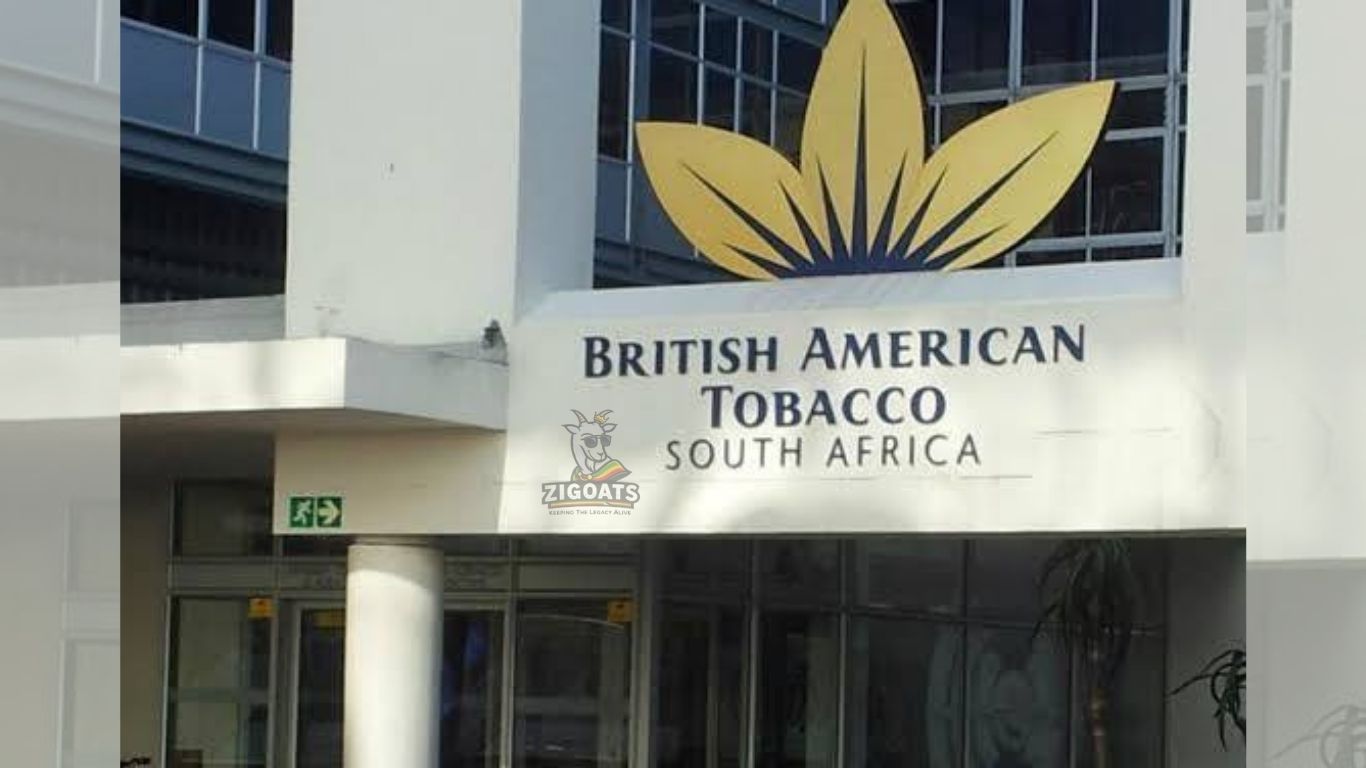
British American Tobacco South Africa (BATSA) has announced the closure of its Heidelberg cigarette plant by end of 2026, a major blow to the local economy and a landmark moment for the industry. The move ends more than 70 years of local cigarette manufacturing and puts around 1,500 jobs at risk as the legal market collapses under the weight of illicit competition.
The factory now runs at just 35 % capacity due to a surge in illegal cigarettes, which are estimated to make up 75 % of sales in South Africa, a problem that has cost the national treasury up to R28 billion in lost revenue annually.
A key player in the cheap tobacco space has been Gold Leaf Tobacco, co-owned by Zimbabwean businessman Simon Rudland, known in the region’s tobacco circles for his wide market reach and links to Zimbabwe’s production base. Some analysts and authorities have accused Gold Leaf brands of flourishing amid weak enforcement, with allegations that they helped drive the illicit cigarette market’s expansion, particularly during the COVID-19 lockdown era when legal sales were restricted and informal channels surged.
Rudland and Gold Leaf have vigorously rejected these claims, describing them as part of a “smear campaign”. They insist they comply with tax laws and deny involvement in illegal tobacco trade or related tax evasion, saying they will fight any legal actions in court.
BAT will continue serving South Africa through imports while keeping its Johannesburg Stock Exchange listing. The closure underlines the severity of illicit competition and signals a broader shift in the Southern African tobacco industry, where Zimbabwe-linked production and cross-border flows increasingly shape market dynamics.
Leave a Reply