
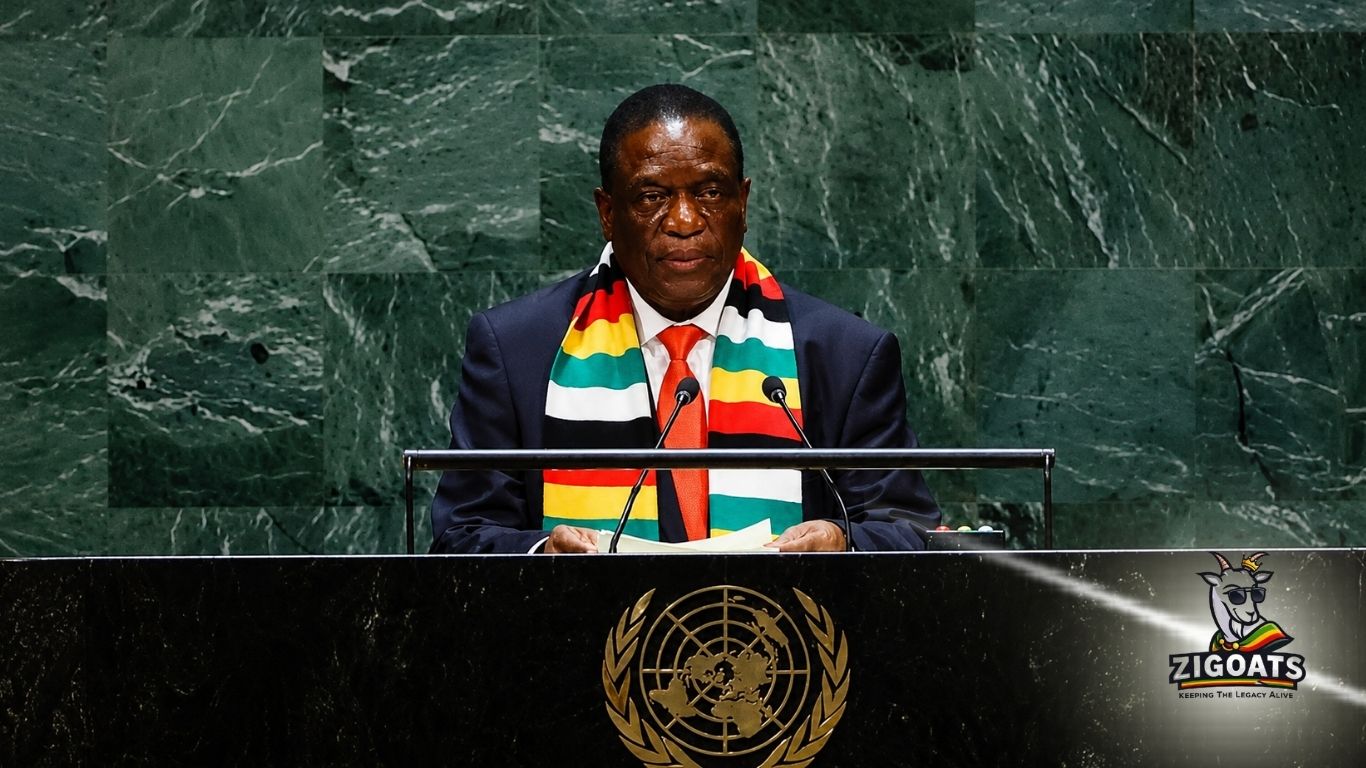
Zimbabwe has been elected to a non-permanent seat on the United Nations Security Council (UNSC), securing 182 votes out of 191 cast during elections held at the UN General Assembly in New York on Wednesday.
By Advent Shoko
The election saw Zimbabwe win one of five available seats on the 15-member council for a two-year term beginning on 1 January 2027.
Announcing the development, the Ministry of Foreign Affairs and International Trade said:
“Zimbabwe has just secured a non-permanent seat on the United Nations Security Council, receiving 182 votes out of 191.”
Zimbabwe joins Austria, Portugal, Trinidad and Tobago, and Kyrgyzstan as the countries elected to serve on the Security Council from 2027 to 2028.
Kyrgyzstan secured the sole Asia-Pacific seat after four rounds of secret balloting, defeating the Philippines. In the Western European and Others Group, Portugal and Austria emerged victorious ahead of Germany, which had mounted a strong campaign for election.
The Security Council is regarded as the most powerful organ of the United Nations. It is responsible for maintaining international peace and security and is the only UN body empowered to make legally binding decisions, including imposing sanctions and authorising the use of force.
The council consists of five permanent members with veto powers which are China, France, Russia, the United Kingdom and the United States, alongside ten non-permanent members elected for staggered two-year terms.
Zimbabwe will take over the seat currently held by Somalia, while Trinidad and Tobago will replace Panama. Portugal and Austria will succeed Denmark and Greece respectively.
Reacting to the election outcome, President Emmerson Mnangagwa described the achievement as a major diplomatic breakthrough for Zimbabwe and a reflection of growing international confidence in the country.
“Today, Zimbabwe marks a significant diplomatic milestone as the nation has been elected as a non-permanent member of the United Nations Security Council, garnering 182 out of 190 votes.
This resounding victory underscores the effectiveness of our Engagement and Re-engagement agenda, demonstrating the global community’s confidence in Zimbabwe’s leadership and commitment to international peace.
As we assume our seat on the global stage, Zimbabwe is poised to contribute meaningfully to international peace, security, and multilateral cooperation, championing a fairer and more equitable global order while amplifying Africa’s voice.
I extend my sincere gratitude to the UN Member States for their support and to our diplomatic team for this outstanding achievement. Zimbabwe is open for business and now plays a pivotal role in shaping global peace.”
The UNSC victory comes as Zimbabwe continues to pursue greater representation and influence within international institutions.
In a separate international campaign, the country is backing the re-election of Dr Cosmas Luckyson Zavazava as Director of the Telecommunication Development Bureau (BDT) at the International Telecommunication Union.
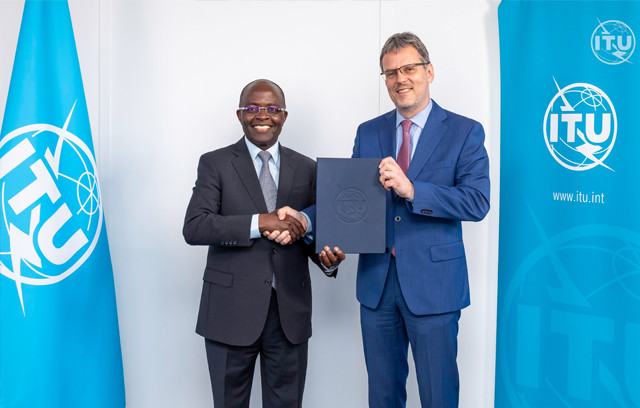
Dr Zavazava assumed office on 1 January 2023 and brings more than three decades of experience in telecommunications and digital development. Over the years, he has led and supported projects focused on expanding digital access, strengthening telecommunications infrastructure, promoting digital skills, and advancing technology-driven socio-economic development across the world.
Before becoming BDT Director, he served as ITU Chief of Partnerships for Digital Development, overseeing strategic partnerships, resource mobilisation and development initiatives. He also previously headed Zimbabwe’s Government Telecommunications Agency and served as a senior diplomat.
His academic credentials include a PhD in Multilateral Trade, a Master of Laws degree in Telecommunications and Information Technology, a Master’s degree in International Relations, an MBA from the University of Zimbabwe, and qualifications in business administration, telecommunications and systems engineering.
Zimbabwe’s election to the Security Council is expected to elevate the country’s diplomatic profile and provide it with a platform to contribute directly to discussions on international peace, security, conflict resolution and global governance over the next two years.
Leave a Reply