
By Advent Shoko
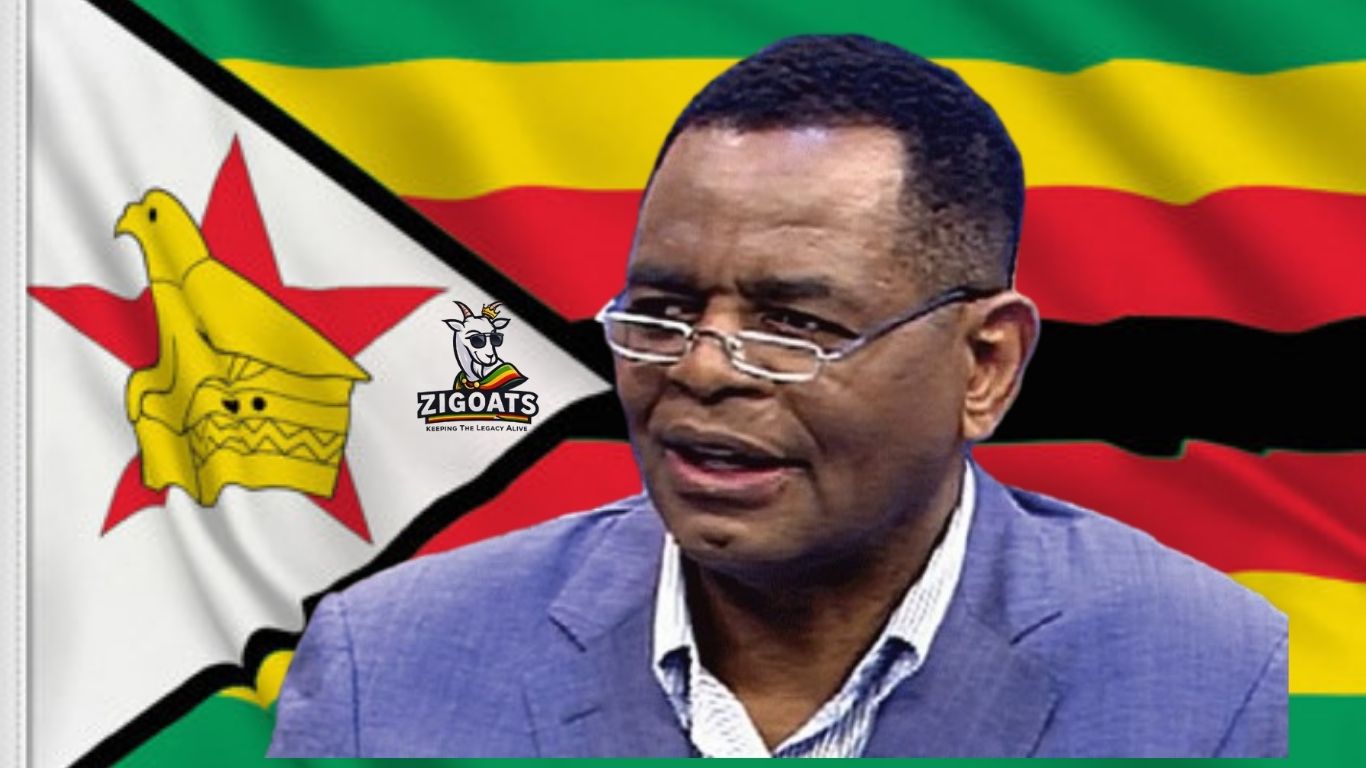
HARARE – Zimbabwe is deeply divided after the death of Mutumwa Dziva Mawere, the once towering business tycoon whose rise and fall became a symbol of the complex interplay between politics, patronage and entrepreneurship in post-independence Zimbabwe. Mawere died in South Africa on 15 January 2026, just days after his 66th birthday, following a long battle with health challenges that began with an acute neurological condition in 2024.
Mawere’s story, from meteoric success to protracted conflict with the state, has sparked strong reactions across Zimbabwe’s political, business and social communities. Some hail him as a visionary, while others see his legacy as controversial and cautionary.
FROM WORLD BANK TO BUSINESS EMPIRE
Born on 11 January 1960 in Bindura, Mawere was educated across Zimbabwe, Swaziland, the United Kingdom and the United States, earning advanced degrees in management and finance. Early in his career, he worked for major financial institutions, including the World Bank’s International Finance Corporation, before returning to southern Africa with big ambitions.
In 1996, he acquired Shabanie Mashaba Mines (SMM), Zimbabwe’s primary asbestos mining operation, through his investment vehicle, Africa Resources Limited (ARL). From there, he built a sprawling industrial and financial conglomerate that included mining, manufacturing, banking and insurance assets. At its peak, his holdings reportedly generated hundreds of millions of dollars in revenue and employed tens of thousands of Zimbabweans, making him one of the most influential business figures of his generation.
POLITICAL FALLOUT AND LOSS OF EMPIRE
Mawere’s success did not come without scrutiny. His rapid rise was shadowed by allegations of preferential support from ruling party figures, especially around government guarantees used in the SMM acquisition, claims he always denied.
By 2004, his empire unraveled when the Zimbabwean government invoked the Reconstruction of State-Indebted Insolvent Companies Act to take over SMM and other assets, citing alleged insolvency and debts to state institutions. Mawere challenged these actions in courts in Zimbabwe, South Africa and the United Kingdom, but never regained control of his businesses. Many saw the move as politically motivated, reflecting the harsh realities of doing big business in Zimbabwe’s politicised economy.
The fallout devastated his companies and the communities that depended on them. Mines closed, jobs disappeared and towns like Zvishavane suffered long-term economic decline.
- Nigerian Billionaire Abdul Samad Rabiu Pays $500,000 To Super Eagles Despite AFCON Heartbreak
- Breaking News: Former Chiredzi West MP Farai Musikavanhu Dies
- Investigation Hot And Active: Chivayo Remains In SA Probe Over Alleged Diversion Of $3.2B
LEGACY OF DEBATE AND DIVISION
News of Mawere’s death has unleashed a torrent of opinion. Supporters remember him as a self-made entrepreneur who brought innovation and structure to Zimbabwe’s private sector and embodied ambitious black economic empowerment. Former local government minister Saviour Kasukuwere described Mawere as “the most consequential businessman of our generation” whose sharp intellect and leadership influenced many.
Others are more critical, pointing to the controversies that dogged his business dealings and the political battles that defined his later years. Some argue his reliance on state ties and patronage made his empire fragile, and that his fall offers stark lessons in the risks of mixing politics with big business.

Former MDC Deputy President Obert Gutu acknowledged Mawere’s intellect and complexity, noting that “like him or hate him, Mutumwa had a cutting edge intellect.”
Zimbabwean lawyer Brighton Mutebuka described his decline as tragic, marked by relentless legal and political fights over SMM and the broader impacts of those battles on his life and career.
DIVIDED NARRATIVES IN ZIMBABWEAN SOCIETY
For many Zimbabweans on social media and in political circles, Mawere’s passing has reopened debates on ZANU PF’s role in shaping business elites, the nature of empowerment policies, and how political allegiances can make or break careers. Some voices argue that those who benefited from the system but later fell out with power structures face severe consequences, a narrative reflected in broader conversations about business and governance in Zimbabwe today.
A COMPLEX END FOR A COMPLEX FIGURE
Mutumwa Mawere will be remembered as a towering and polarising figure in Zimbabwe’s economic history, a man whose achievements and conflicts reflected the opportunities and pitfalls of doing business in a deeply political environment.
Whether seen as a hero or a cautionary tale, his death marks the end of an era and invites sober reflection on how politics, policy and capitalism intersect in Zimbabwe’s modern story.
Leave a Reply