
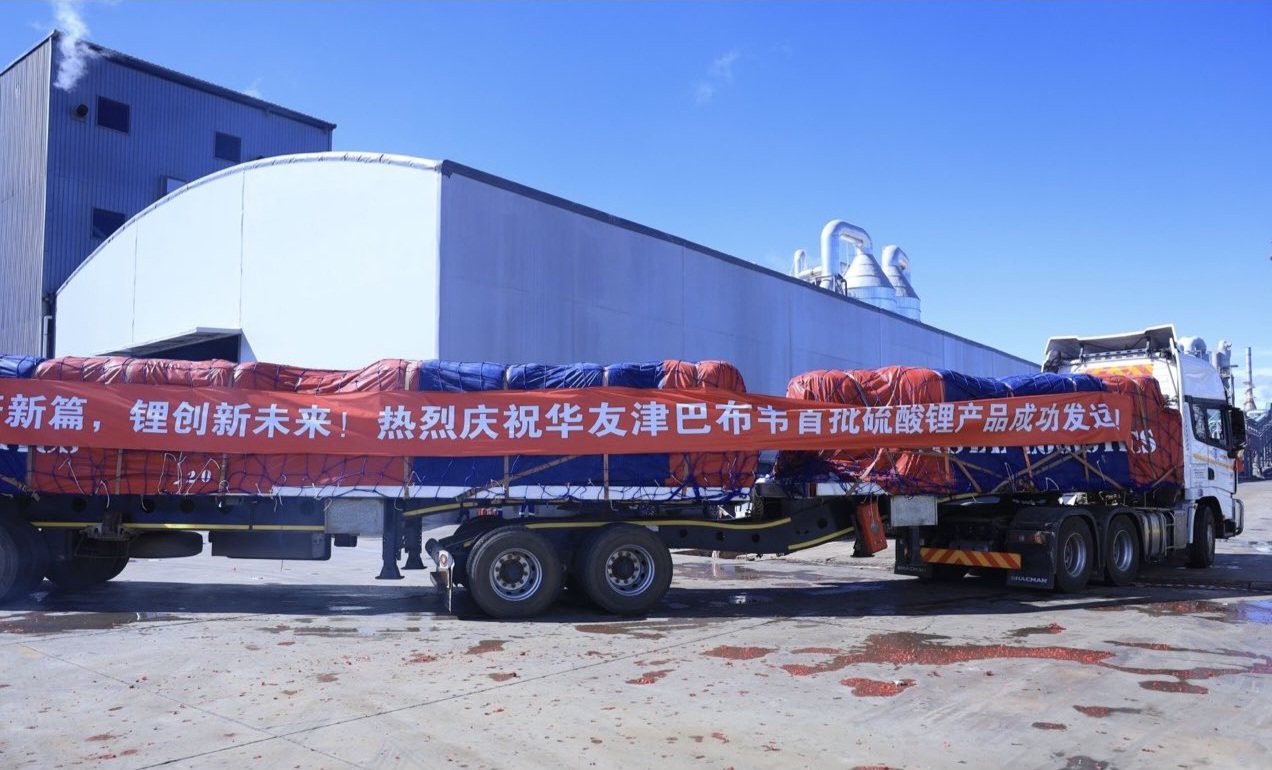
Zimbabwe has stepped firmly into a higher tier of the global lithium economy after Prospect Lithium dispatched its first shipment of lithium sulphate from its US$400 million plant at Arcadia Mine, marking the first production of the battery-grade intermediate in both Zimbabwe and Africa.
By Advent Shoko
For a country long known for exporting raw minerals, this is a structural shift. Lithium sulphate sits closer to battery manufacturing than raw ore or concentrates, meaning more value is captured locally, and less is shipped out.
Prospect Lithium underscored the breakthrough:
“This inaugural shipment represents the first lithium salt ever produced in Zimbabwe and across Africa, marking a major step forward in regional mineral beneficiation and industrialisation.”
The milestone lands squarely within a tightening policy framework. In 2022, Zimbabwe banned exports of raw lithium ore, forcing miners to process into concentrates. Last year, the bar was raised again: from 2027, exports are expected to be in the form of lithium sulphate. A 10% tax on concentrates is already in place to push producers further up the value chain.
Authorities have backed policy with action. In February, government suspended lithium concentrate exports, only allowing limited volumes back under quotas as producers transition. The direction is clear, Zimbabwe wants lithium sulphate, not rocks, leaving its borders.
Arcadia is now the proof point.
Backed by Huayou Cobalt, the project positions Zimbabwe within a global race where demand for lithium sulphate is accelerating, driven by electric vehicle production and energy storage systems. For investors, it signals that Zimbabwe is not just resource-rich, but increasingly processing-capable.
But beyond boardrooms and balance sheets, the shift carries real domestic stakes. Higher-value processing means more jobs in plant operations, logistics, and technical services. It also opens space for downstream industries, from chemical handling to battery-related manufacturing, with potential knock-on effects for skills development and local supply chains.
Still, the path is not without risk. Producing lithium sulphate at scale requires stable electricity, consistent feedstock, and sustained capital, areas where Zimbabwe’s mining sector has historically faced pressure. Any disruption in power or policy consistency could quickly erode the gains now being celebrated.
For now, though, the signal to the market is unmistakable: Zimbabwe is no longer content being a pit stop in the lithium story, it wants a seat at the table where value is created.
Because in today’s mineral economy, the real competition is no longer about who has lithium. It’s about who can process it, and keep the value at home.
Leave a Reply