
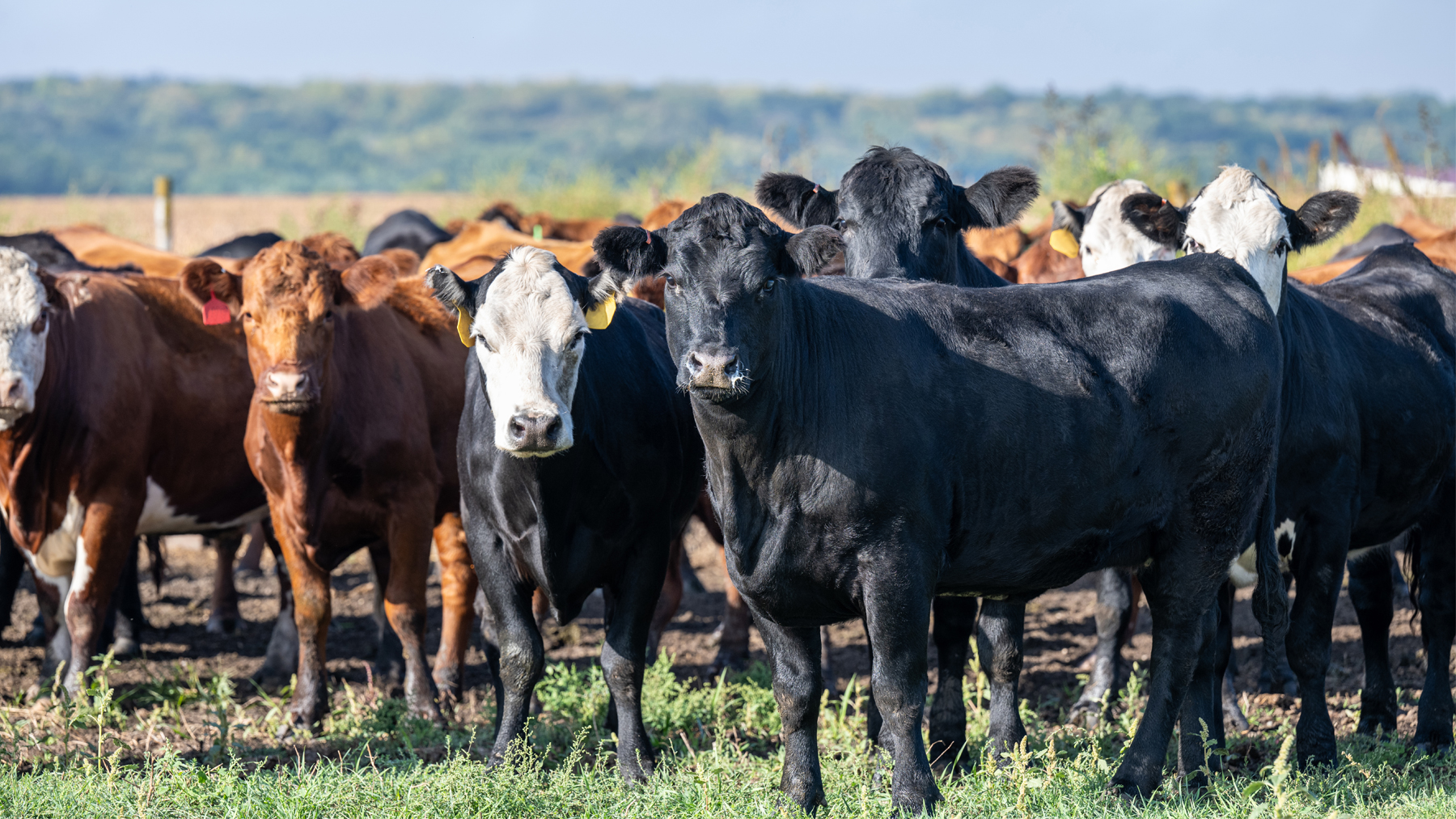
Zimbabwean lawyer and entrepreneur Tawanda Nyambirai is preparing to roll out one of the most unconventional financial products the country has seen in years, tokenisation of cattle and listing the digital assets on the Victoria Falls Stock Exchange (VFEX), in a move that could redefine how livestock is owned, traded, and financed.
By Advent Shoko
Nyambirai, the founder of TN Cyber Tech Bank, formerly TN Bank and Steward Bank, dropped the announcement on X, instantly sparking debate across financial, agricultural, and tech circles.
At the centre of the proposal is a simple but disruptive idea: turning cattle, long regarded as a store of value across African societies, into tradable digital tokens backed by real livestock. Nyambirai posted:
“Tokenisation of Cattle
TN Livestock Trust is preparing to migrate to 100% pen feeding of cattle and the tokenisation of cattle based on live weight. We will seek a listing of cattle tokens on the Victoria Falls Stock Exchange. This will enable holders to trade their tokens.”
The mechanics are as ambitious as they are detailed.
Each token, according to Nyambirai, will represent one kilogram of live cattle weight, effectively allowing investors to own fractions of livestock without physically handling animals. The tokens will be backed twofold by the actual cattle held in feedlots, a structure designed to hedge against risks such as death or theft. He explained:
“Our cattle tokens will be two times covered by the weight of cattle held in our feedlots. This will ensure replacement of any cattle that die or get stolen.”
Pricing will not be left to market speculation alone. Instead, a committee of veterinary doctors with more than 10 years’ experience will determine the value per kilogram of live cattle weight, introducing a layer of technical oversight rarely seen in traditional commodity markets.
But it is the returns that are likely to turn heads. Nyambirai said:
“Each token will have a coupon of 20% per annum of its own value. The coupon will be redeemable in cash or through the issue of additional tokens.”
In practical terms, investors will not only be betting on the value of cattle but also earning a fixed annual return, a hybrid between a commodity-backed asset and an income-generating security.
Flexibility appears to be a core selling point. Opening the door for both financial investors and those with direct agricultural interests, he added:
“Tokens can be redeemed in cash or in the form of cattle.”
The initiative also carries cultural and economic weight beyond the balance sheet.
Across Zimbabwe and much of Africa, cattle have long functioned as an informal “bank”, a reliable store of wealth in communities with limited access to formal financial systems. They are central to practices such as lobola and are still used in barter trade in some rural economies.
By digitising cattle, Nyambirai is effectively attempting to bridge two worlds: traditional value systems and modern financial markets.
If successful, the model could unlock liquidity in an asset class that has historically been difficult to trade, while also broadening participation by allowing small-scale investors to buy into livestock value chains.
Yet, questions remain.
Market watchers will be closely examining regulatory approval pathways, investor protection mechanisms, and how the proposed 20% coupon will be sustained in a sector exposed to biological and market risks.
There is also the bigger test, trust.
Tokenisation, while gaining traction globally, still faces scepticism in emerging markets where digital financial instruments must prove reliability over time.
Nyambirai, however, appears unfazed, framing the project as both a response to challenge and a statement of intent.
“@matigary here it is sekuru. You challenged me and I accepted the challenge. So here it is. I will be announcing a timetable for the tokenisation of cattle.”
With that, the clock has effectively started.
If the plan moves from concept to execution, Zimbabwe could find itself at the forefront of a new financial frontier, one where wealth is no longer just counted in cattle, but in tokens tied to their weight, traded on an international exchange, and reshaping what it means to invest in Africa’s oldest asset.
Leave a Reply