
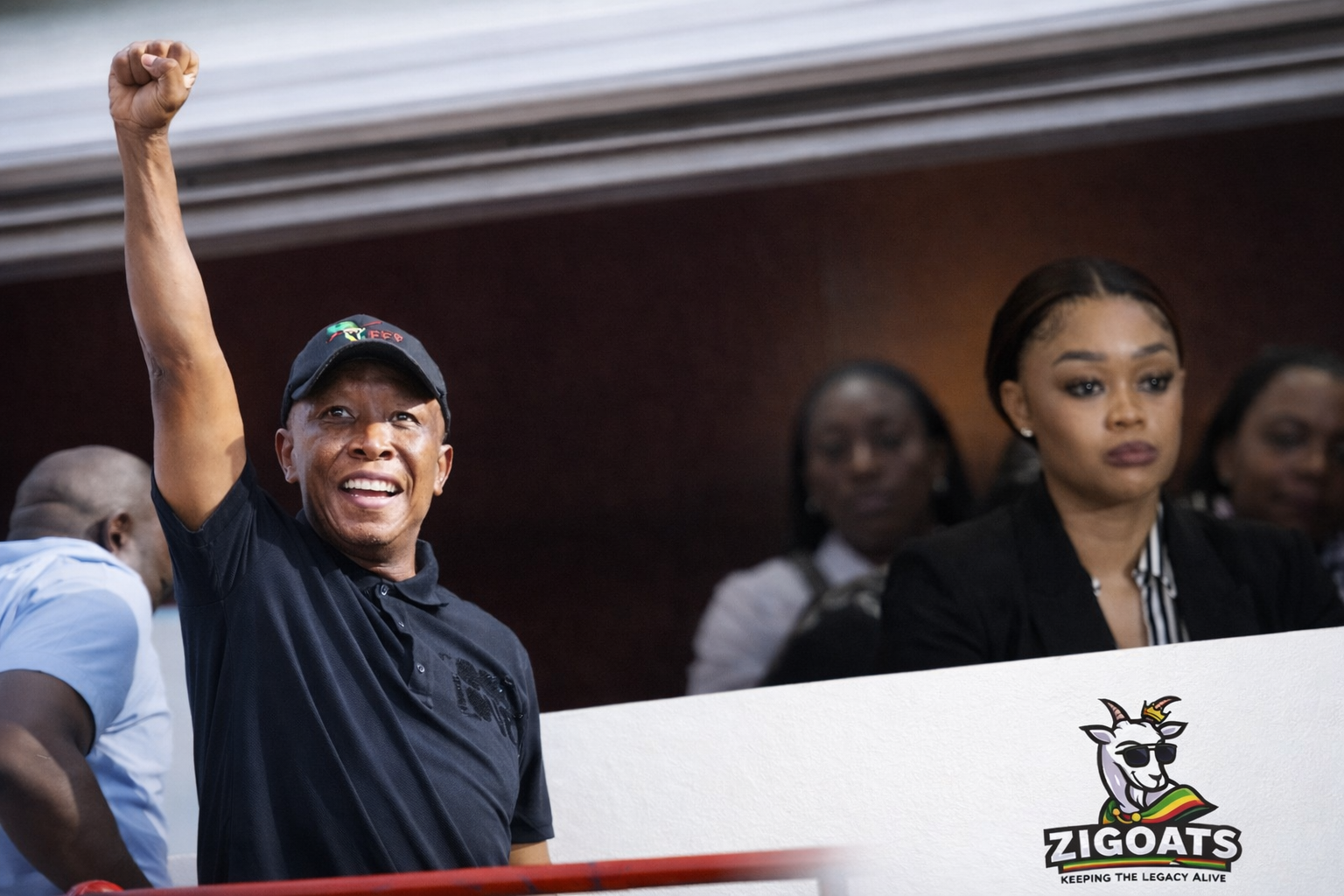
EFF leader Julius Malema is facing a prolonged legal and political battle after being sentenced to five years’ direct imprisonment for unlawful possession and discharge of a firearm, a case that now risks reshaping debates on governance, accountability, and institutional fitness in South Africa.
By Advent Shoko
The conviction, handed down by Magistrate Twanet Olivier in the KuGompo Magistrates’ Court, stems from incidents linked to the EFF’s 2018 anniversary celebrations in Mdantsane. Malema was granted leave to appeal, a process legal experts say could take years before final resolution.
Criminal defence attorney William Booth warned that delays are built into the system:
“The administrative process alone, including the typing up of court records… is a significant source of delay before the appeal can even be heard.”
He estimates a realistic timeline of “at least two years.”
Constitutional expert Lawson Naidoo of the Council for the Advancement of the South African Constitution added that certainty is impossible. stressing that the appeal does not erase the conviction but only suspends the sentence, he said:
“It could be a while… at the least a few months.”
Despite the seriousness of the ruling, Malema continues to serve as a Member of Parliament and remains on the Judicial Service Commission (JSC), the body responsible for appointing judges, a position now under growing scrutiny.
Legal and governance analysts argue that this creates a constitutional grey zone. Naidoo noted that while Malema remains “technically convicted and technically sentenced,” the appeal delays final legal consequences.
Civil society organisation Freedom Under Law (FUL) has taken a harder stance. Executive officer Judith February said the cumulative record against Malema raises serious concerns, stating:
“It is clearer than ever before that Malema ought to step down as a member of the JSC.”
Booth also questioned his continued presence, pointing to conduct after sentencing. Referencing Malema’s public accusations against the magistrate, he said:
“The question is whether… he is fit and proper to sit on that committee.”
Outside court, Malema maintained a defiant tone, alleging bias in the judgment and claiming the magistrate failed to properly consider submissions, remarks critics say further complicate perceptions of judicial respect.
The debate has now shifted beyond the firearm conviction itself. At its core is a governance question: can a public representative under a serious criminal sentence continue to shape judicial appointments while his appeal drags on?
For now, the law allows it. Politically, however, the pressure is mounting, and the final verdict may take far longer than the sentence itself.
Leave a Reply