
Illegal Settlement Blamed
By Advent Shoko
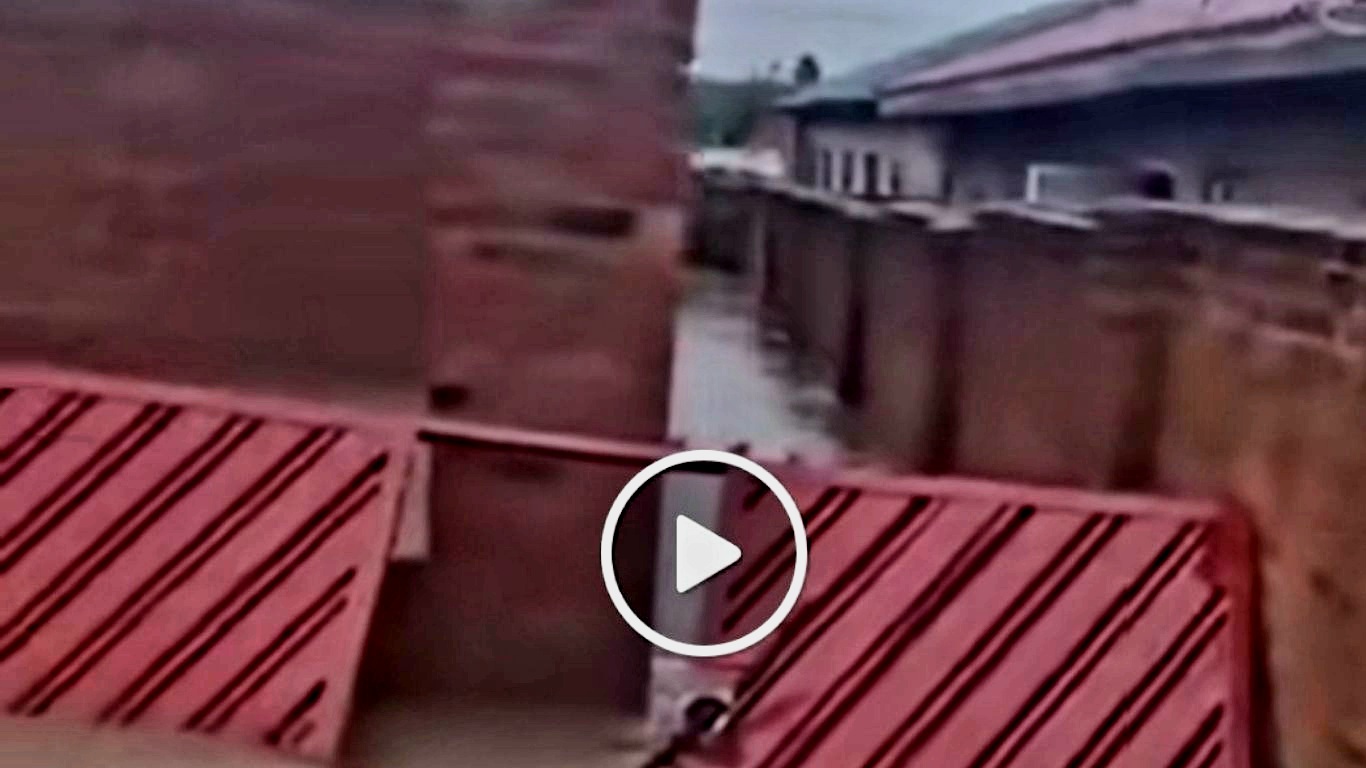
HARARE – Harare City Council has firmly rejected social media claims that it authorised construction in the Glen View area engulfed by flash floods this week, insisting that the devastated site is part of an irregular, privately developed settlement built without its approval. Videos showing collapsed gates and submerged homes triggered public outrage, but the council says responsibility lies elsewhere.
Council officials, including Disaster Management Committee chairperson Councillor Jane Bingari, visited the flooded Glen View Extension after viral posts blamed the local authority. Their assessment concluded the land, dubbed Glen View Extension, was sold and developed without consultations, approvals, drainage plans, sewer connections or an Environmental Impact Assessment, and lies largely on wetlands.
Illegal Settlements, Wetlands Protection, and Governance Gaps
Urban experts and environmentalists say cases like Glen View are nothing new. Harare’s wetlands, natural sponges essential for flood control, have been steadily eroded by unplanned construction and weak enforcement of planning laws. Analysts warn that illegal settlements on wetlands and riverbanks do not just risk flooding, they strip away nature’s own defence mechanisms against heavy rains.
Reports show planning laws such as the Regional, Town and Country Planning Act and the Environment Management Act are often sidestepped, allowing land barons and opportunistic developers to parcel out land that is unsuitable for housing. These practices have left communities vulnerable to frequent flash floods during periods of heavy rainfall.
Drainage Failures and Public Safety
The City of Harare acknowledges broader drainage challenges across the capital, with blocked channels and inadequate infrastructure contributing to waterlogging during torrential downpours. In other recent episodes, authorities cited illegal dumping in drains and poor maintenance as aggravating factors in widespread flooding.
Environmental activists and rights groups argue that the crisis goes beyond one neighbourhood. The Zimbabwe Human Rights Commission has linked unplanned land allocations and illegal construction on sensitive land to repeated violations of citizens’ rights to a safe environment and public health.
Call for Accountability and Solutions
While Harare City plans to summon the private developer behind Glen View Extension to find solutions for proper drainage and reduce future flood risks, critics stress that legal clarity, enforcement of existing law, and community involvement are critical to preventing recurring disasters.
Without urgent intervention and stronger governance, flash floods, fuelled by climate change, poor planning and illegal land use, will continue to wreak havoc on vulnerable communities across Zimbabwe’s capital.
Leave a Reply