
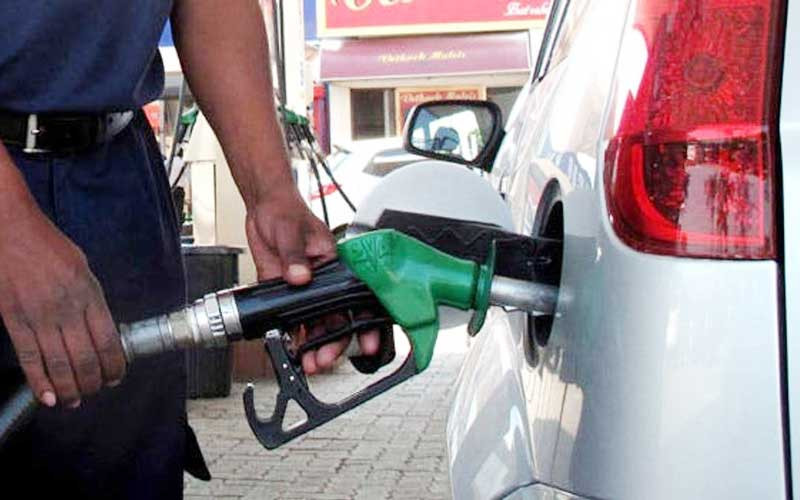
Zimbabwean motorists and businesses are once again facing higher fuel costs after the government, through the Zimbabwe Energy Regulatory Authority (ZERA), raised pump prices effective 2 April 2026.
By Advent Shoko
The latest adjustment sees diesel rising to US$2.11 per litre, up from US$2.05, while petrol Blend (E5) now costs US$2.23 per litre, up from US$2.17. In local currency terms, the new prices stand at ZWG53.60 for diesel and ZWG56.70 for petrol per litre.
For households, transport operators, farmers and miners already under pressure from rising operating costs, the increase will immediately feed into daily expenses, with transport fares and commodity prices likely to feel the ripple effects.
According to ZERA, the diesel price increase would have been significantly steeper had government not intervened by removing all taxes and levies on the product. The regulator said:
“Without Government intervention, the price of diesel would have been US$2.65 per litre.”
ZERA underscored the extent of global cost pressures currently weighing on the fuel market.
That means the intervention effectively cushioned diesel consumers by 54 US cents per litre, a substantial subsidy aimed at protecting key productive sectors such as mining, agriculture, haulage services and passenger transport.
The decision comes against the backdrop of intensifying international market volatility, with ZERA citing the ongoing conflict in the Middle East as a major driver of rising fuel import costs and supply chain uncertainty.
Since the last review, the Free on Board (FOB) price for diesel has surged by 33.16 percent, while petrol has increased by 5.96 percent, highlighting how sharply global petroleum prices have moved in just two weeks.
Government said it continues to closely monitor fuel security and insisted that the country currently has more than three months’ supply cover, with stocks available from Beira and inland storage facilities.
This assurance is meant to calm fears of shortages, panic buying and speculative pricing, especially in remote areas where fuel accessibility has historically been a challenge.
In a move aimed at strengthening supply resilience, authorities also announced that diesel can now be imported by road transport with immediate effect, in addition to the traditional pipeline and rail routes.
This policy shift is expected to widen supply options and reduce the risk of disruptions caused by geopolitical instability along existing corridors.
State-linked fuel entities Petrotrade and NOIC are also expected to play a more active role in ensuring equitable distribution across the country, particularly to underserved rural and remote service stations.
There is, however, a measure of relief on the horizon for petrol users.
ZERA says petrol prices are expected to decrease during the next review, as the country moves into the ethanol production cycle.
The regulator noted that the commencement of ethanol production, coupled with plans to increase the blending mandate to E20, is expected to contain petrol prices by around 18 US cents per litre.
If realised, this would offer welcome breathing room for motorists and businesses that rely heavily on petrol-powered fleets.
From an economic and governance standpoint, the latest fuel review once again illustrates the delicate balancing act government faces between cost reflectivity, market stability and social protection.
While authorities are keen to avoid shortages and arbitrage opportunities, repeated upward price movements inevitably place pressure on inflation, transport costs and the broader cost of doing business.
For ordinary citizens, the immediate concern remains simple: another trip to the pump now costs more.
For business, especially in logistics, agriculture and mining, the diesel cushioning may soften the blow, but not eliminate it.
With global oil markets remaining highly sensitive to geopolitical tensions, the next ZERA review will be closely watched.
Leave a Reply